
Can Container Houses Be Fireproof?
Whether container houses can be fireproof depends on their materials and design. Container houses that meet fire safety standards can effectively resist fire, while those using flammable materials or having fire hazards have poor fire resistance. Here is a detailed analysis:
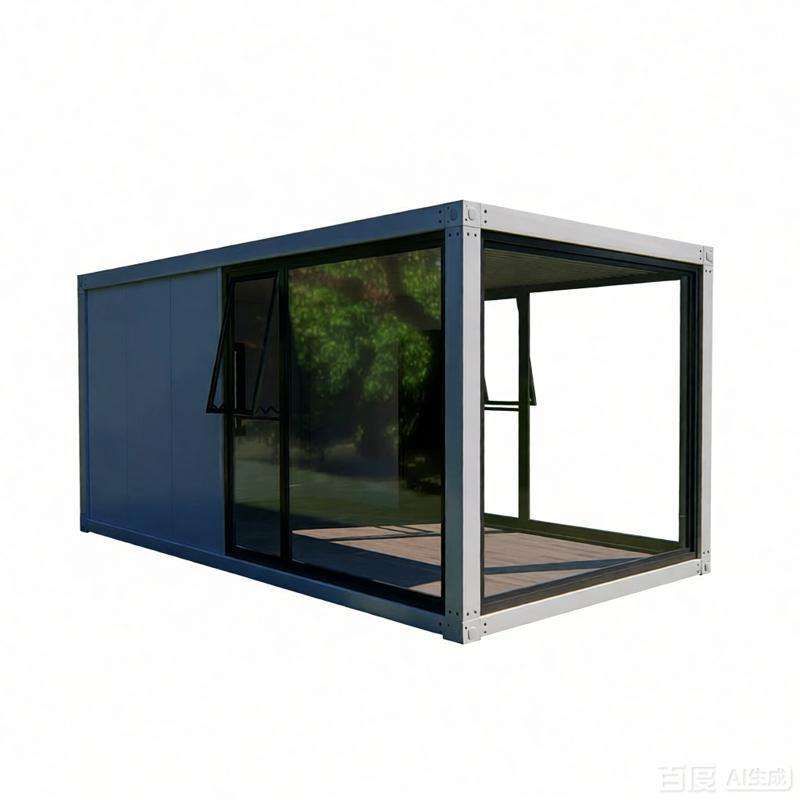
I. Key Factors Affecting the Fire Resistance of Container Houses
Filling Materials:
The core materials of container houses directly impact their fire resistance. If flammable materials such as polyurethane or polystyrene are used, they have low ignition points and poor flame retardancy, burning rapidly when exposed to high temperatures or open flames, and producing molten droplets that exacerbate the spread of fire. In contrast, container houses that meet fire safety standards use A-grade fire-resistant materials like rock wool or glass wool as fillers, which have high fire endurance limits and can effectively delay the spread of fire.Steel Structure Fire Resistance:
The supporting structures of container houses are mostly made of steel. In a fire, when the temperature exceeds 500℃, the steel structure loses its static balance stability, leading to local deformation or even complete collapse. An ordinary container house may lose its load-bearing capacity within about 10 minutes after a fire, while steel structures that have undergone fire protection treatment (such as being coated with fire-resistant paint) can extend their fire endurance time, providing more time for personnel evacuation and rescue.Fire Protection Design and Management:
The fire resistance of container houses also depends on whether the fire protection design is standardized. For example, electrical wires and cables should be installed with protective sleeves, and sockets and switch boxes should be made of metal galvanized boxes and installed openly. Heat sources and open flames should be kept at a safe distance from the houses. Sufficient safety passages (usually not less than 6 meters) should be reserved between houses. Simple fire-fighting equipment should be equipped indoors and outdoors, and fire alarms can be installed if conditions permit.
II. How to Improve the Fire Resistance of Container Houses
Choose Compliant Materials:
Prioritize the use of A-grade fire-resistant materials like rock wool or glass wool as fillers, avoiding flammable materials such as polyurethane or polystyrene.Enhance Steel Structure Fire Protection:
Coat steel structures with fire-resistant paint or adopt fire separation designs to improve overall fire endurance limits.Standardize Fire Protection Design:
Ensure that electrical wires and cables are protected with sleeves, heat sources are kept away from the houses, safety passages are reserved, and fire-fighting equipment and alarms are equipped.Regular Maintenance and Inspection:
Regularly inspect electrical circuits and fire protection facilities, promptly replace aging components, and avoid fires caused by management negligence.



