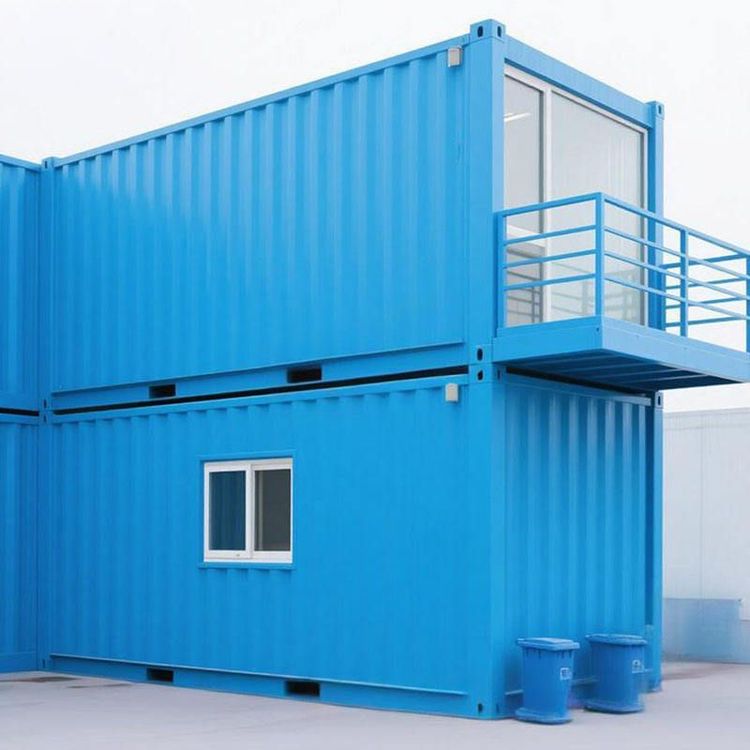
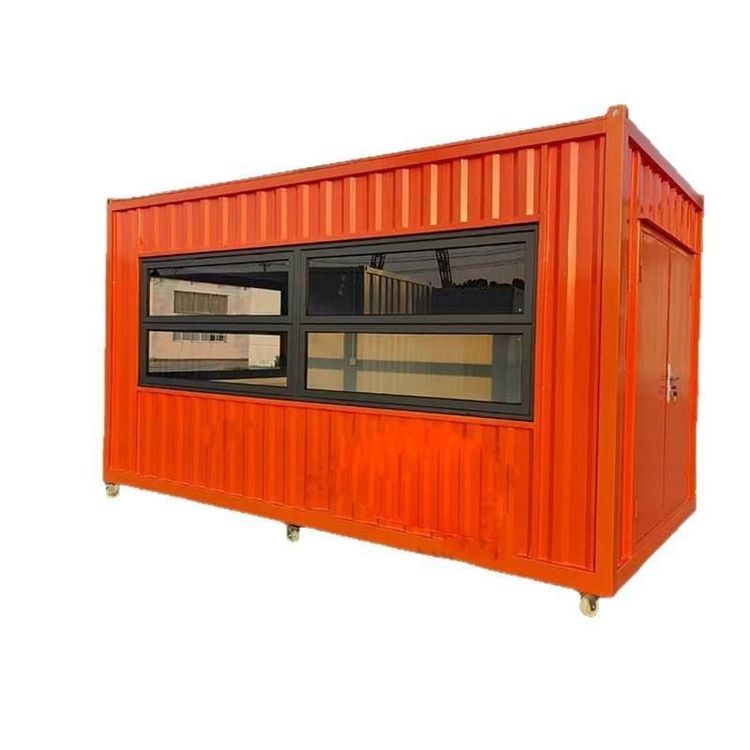
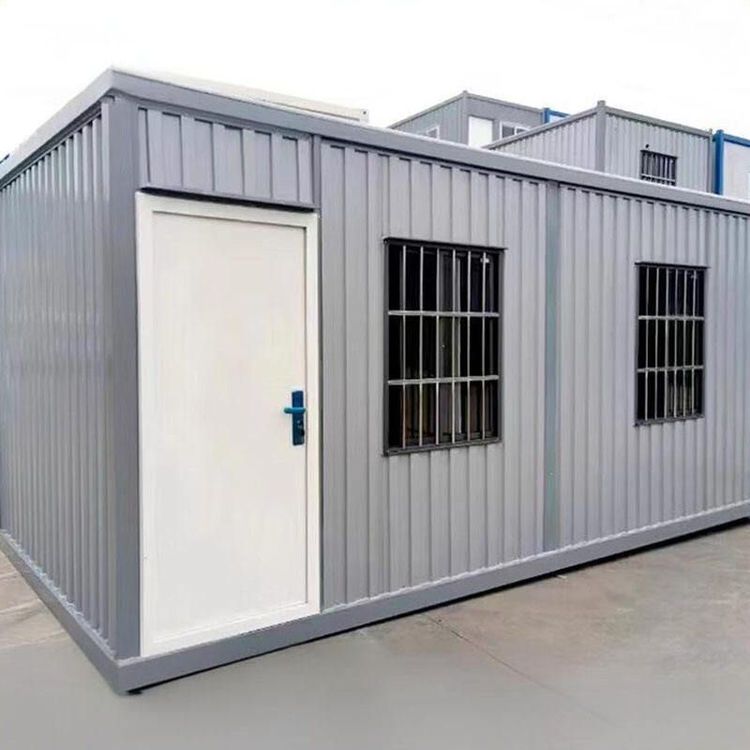
Can Container Houses Be Built
Generally, container houses cannot be built randomly if they are not constructed in accordance with laws and regulations; otherwise, they may be considered illegal buildings.
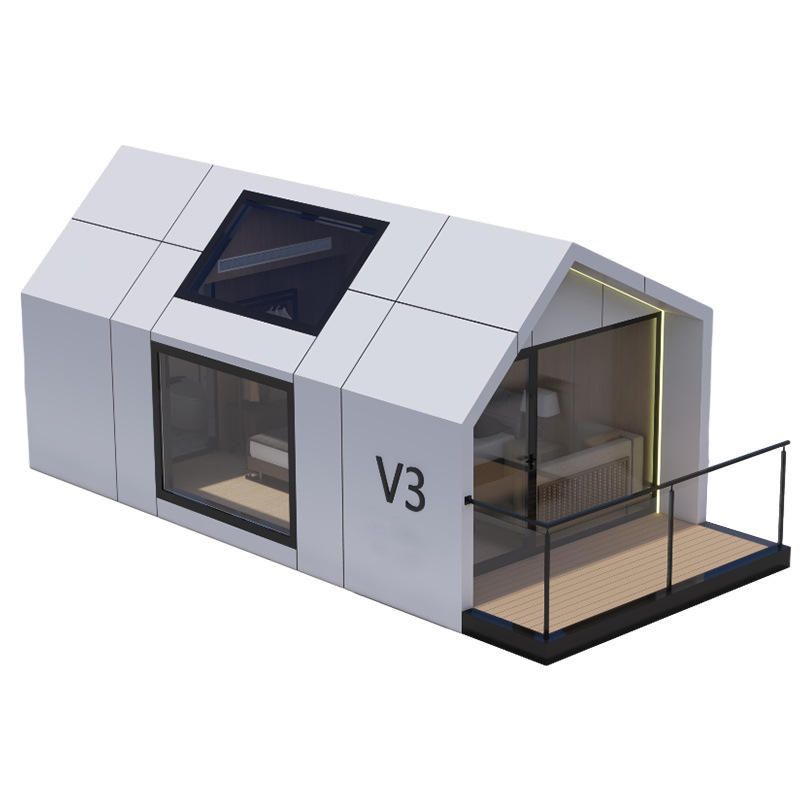
Construction of Unmodified or Unlicensed Container Houses is Restricted
According to relevant regulations, if a container is directly used as a house without undergoing housing modification and obtaining legal approval, its construction is usually not permitted. This is because such unprocessed container houses may not meet the standards of regular houses in terms of building structure, safety performance, and sanitary conditions, posing numerous safety hazards. They can threaten the lives and property of occupants and may also affect the overall planning and order of the surrounding environment and community.
Container Houses After Housing Modification Still Require Legal Approval
Even if a container has undergone housing modification, it cannot be built randomly. For construction within township and village planning areas, a rural construction planning permit must be obtained in accordance with the law, and construction must be carried out strictly in accordance with the provisions of the permit. If this permit is not obtained or construction is not carried out in accordance with its requirements, the township or town people's government has the right to order the cessation of construction and require rectification within a specified time limit. If rectification is not made within the time limit, relevant departments may even demolish it. This is because the rural construction planning permit is an important basis for ensuring the orderly progress of rural construction, the rational utilization of land resources, and the maintenance of rural features and the ecological environment.
Temporary Stacking of Containers Also Requires Approval or Filing
In addition to being used as houses, even the temporary stacking of containers cannot be done randomly. According to the law, approval or filing is also required. This is to standardize the temporary use and management of containers, avoid problems such as indiscriminate stacking, traffic disruption, and environmental damage, and ensure the normal operation and good order of cities and villages.
In conclusion, the construction of container houses requires strict compliance with relevant laws, regulations, and planning requirements, and the acquisition of necessary permits and approvals. Otherwise, not only may legal risks be faced, but also the interests of oneself and others may be harmed.