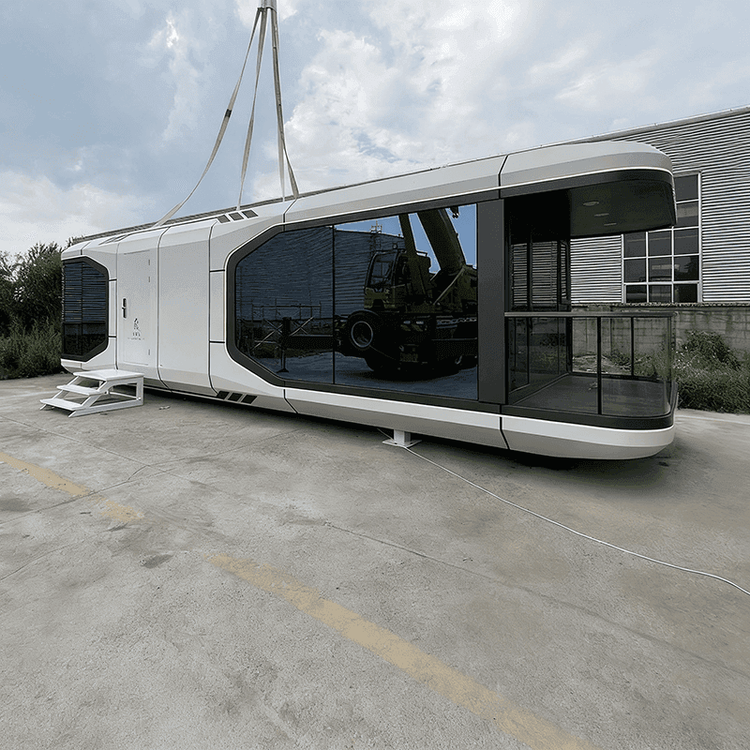
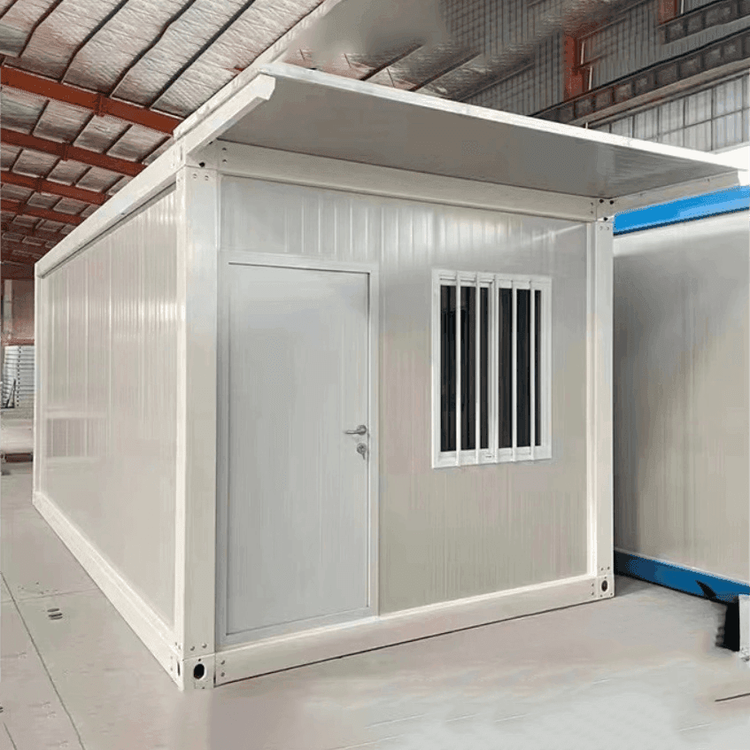
Images of Prefabricated Housing in Cambodia
Currently, images of prefabricated housing in Cambodia cannot be directly provided, but a科普 (popular science) explanation can be given by combining its application background and market situation.

Application Scenarios and Growing Demand for Prefabricated Housing in Cambodia
Prefabricated housing in Cambodia is primarily used in temporary or rapidly deployable scenarios, such as office and accommodation on construction sites, post-disaster reconstruction, and temporary facilities in tourist areas. With the acceleration of infrastructure development and urbanization in Cambodia, the demand for low-cost, movable housing solutions has significantly increased. For example, new development zones around Phnom Penh or tourist hotspots like Siem Reap often use prefabricated housing as short-term transitional buildings to reduce construction costs and shorten construction periods.
Market Characteristics of Prefabricated Housing in Cambodia
- Materials and Structure: Prefabricated housing in Cambodia mostly adopts light steel structures or modular designs, paired with locally available panels (such as metal panels and fiber cement boards) for walls and roofs. This structure facilitates transportation and assembly, making it particularly suitable for areas with complex terrain or inconvenient transportation.
- Climate Adaptability: Cambodia has a tropical climate with high temperatures and heavy rainfall, so prefabricated housing needs to be ventilated, moisture-proof, and corrosion-resistant. Some designs adopt elevated structures (similar to stilt houses) to avoid water accumulation and increase roof slopes to accelerate drainage.
- Cost Advantages: Compared to traditional brick-and-mortar buildings, the industrial production model of prefabricated housing can reduce construction time by 30%-50% and result in lower material waste, making it more attractive to projects with limited budgets (such as small businesses or non-governmental organizations).
Limitations of Prefabricated Housing
Despite the growing demand, the prefabricated housing market in Cambodia still faces challenges:
- Lack of Technical Standards: There is a lack of unified prefabricated building codes locally, leading to inconsistent product quality, especially in terms of earthquake resistance and fire safety.
- Cultural Acceptance: Traditional Cambodian architecture often uses wooden structures or stilt houses, and some residents may have an adaptation period to the modern appearance and materials of prefabricated housing.
- Long-term Durability: In tropical climates, metal components are prone to rust and require regular maintenance, while the local maintenance system is not yet well-established.
Suggestions for Obtaining Relevant Images
If specific images are needed, they can be searched for through the following methods:
- Contact local construction companies in Cambodia or international aid organizations (such as UN-Habitat) to obtain real-life images of prefabricated housing from their project cases.
- Filter Cambodian projects in architectural industry databases (such as ArchDaily and Construction21), some of which include design drawings of prefabricated housing.
- Use image search engines (such as Google Images) and enter keywords like “Cambodia prefab house” or “Khmers modular building,” combined with filtering conditions (such as time and clarity) to obtain results.