Bus Transformed into Mobile Toilet
The bus-transformed mobile toilet is an innovative public sanitation facility that repurposes abandoned or idle buses into mobile units with independent toilet spaces, providing flexible and efficient toilet solutions for public areas.

1. Design Features and Functional Advantages
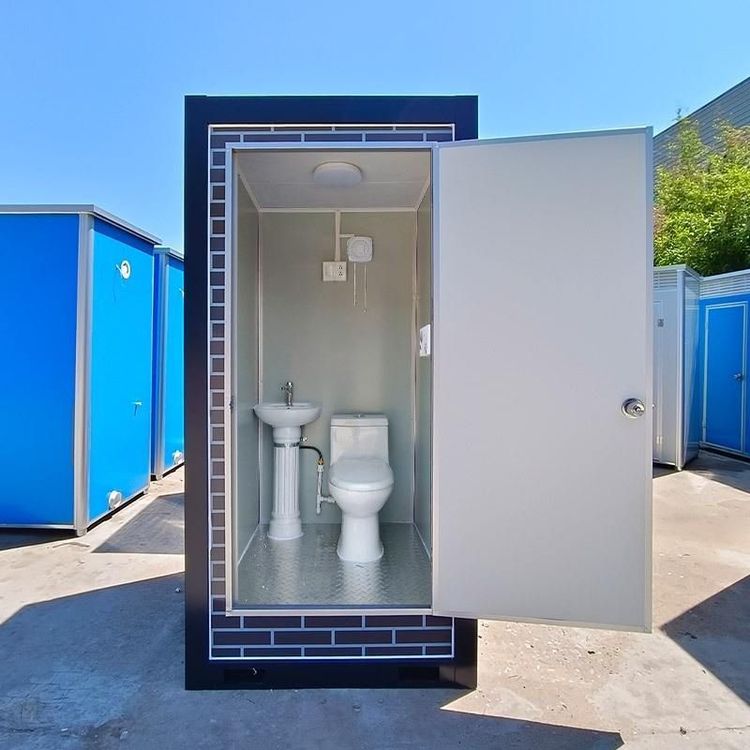
The bus-transformed mobile toilet breaks away from the fixed model of traditional mobile toilets, with its core design focusing on space reuse and functional optimization. Taking the example of Shenyang Binhe Park, the interior of the transformed bus is divided into four independent toilet spaces, each equipped with basic sanitation facilities (such as toilets and sinks). This not only ensures user privacy but also enhances space utilization through a compact layout. Additionally, the original bus body structure (such as doors, windows, and ventilation systems) undergoes adaptive modifications to maintain internal air circulation, reduce odor accumulation, and provide an overall cleaner environment compared to simple mobile toilets.
2. Application Scenarios and Adaptability
Such facilities primarily serve outdoor scenarios with high foot traffic, for example:
- Large-scale events: During temporary events like music festivals and sports competitions, traditional fixed toilets often fail to meet sudden demands. Mobile toilets can be quickly deployed around the venue.
- Parks and scenic spots: In natural scenic areas or urban parks, fixed toilets are limited in distribution. Mobile toilets can supplement coverage gaps, especially in areas with concentrated tourist traffic such as walking trails and observation decks.
- Emergency scenarios: In natural disasters or public health emergencies, traditional toilet systems may collapse. Mobile toilets can serve as temporary solutions to quickly restore basic service functions.
3. Social Value and Environmental Significance
The practice of transforming buses into mobile toilets embodies the concept of resource recycling. By converting abandoned buses into practical facilities, it reduces the pressure of waste disposal for materials like metal and plastic while lowering land occupation and construction costs for new fixed toilets. Moreover, its modular design supports flexible relocation, allowing deployment adjustments based on demand to avoid resource idleness, aligning with the requirements of sustainable urban development.
4. Technical Challenges and Improvement Directions
Despite their significant advantages, such facilities still need to address key issues like water and electricity supply and sewage treatment. For example, they require supporting mobile water tanks and sewage collection devices or connection to municipal pipelines. Some high-end models have attempted to adopt biodegradation technology to reduce reliance on external infrastructure. In the future, with advancements in material science and environmental protection technology, the comfort, durability, and eco-friendliness of mobile toilets are expected to further improve.