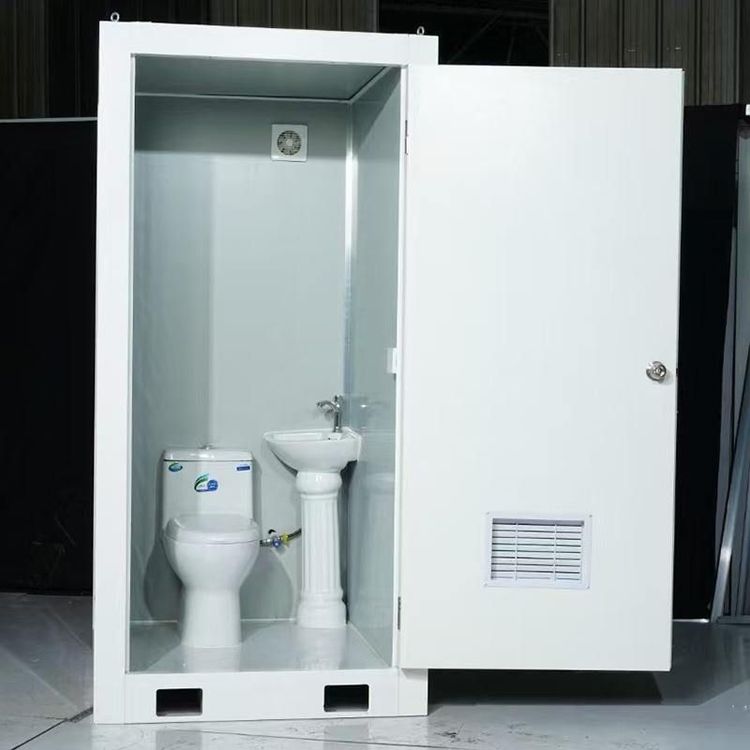
Bus Conversion to Mobile Toilet
A bus can be converted into a mobile toilet through four key steps: space planning, structural modification, facility installation, and decoration, making it suitable for various scenarios and offering both economic and social benefits.
Conversion Process
- Space Planning: Precisely plan the toilet area within the bus based on its internal dimensions, including toilet, handwashing, and storage zones. The main toilet area should retain at least a 1.5m x 2m space, while the handwashing area can utilize the remaining space for sinks, mirrors, and small storage cabinets.
- Structural Modification: Remove the original seats and interior fittings, and carry out soundproofing and waterproofing treatments. Install a waterproof layer at the bottom of the bus to prevent sewage leakage. Open ventilation ports on the sides or rear of the bus to ensure air circulation and reduce odors.
- Facility Installation: Install toilets, water tanks, handwashing basins, plumbing systems, etc. Choose water-saving toilets and configure water tank capacity reasonably based on the number of users, with single-use water consumption controlled between 3-5 liters. Use corrosion-resistant and easy-to-clean materials for the plumbing system, such as PVC or stainless steel. Equip the handwashing basin with a hot and cold water supply system.
- Decoration: Lay anti-slip floor tiles, use waterproof wallpaper or tiles for the walls, and install lighting fixtures and exhaust fans on the ceiling. The interior style should be simple and easy to clean, ensuring comfort and ease of maintenance in the sanitary environment.
Suitable Scenarios
It is suitable for large outdoor events (music festivals, sports events), temporary construction sites, tourist attractions, disaster relief sites, etc. These places often lack fixed sanitary facilities or existing facilities cannot meet peak usage demands. By converting buses, rapid deployment and flexible movement can be achieved, effectively solving sanitation problems.
Precautions
During the conversion process, strictly comply with national and local standards regarding sanitary facilities and vehicle modifications, such as ensuring toilet drainage meets environmental requirements and vehicle driving safety passes inspection by vehicle management authorities. Additionally, pay attention to safety issues such as waterproofing, electrical leakage prevention, and anti-slip measures to ensure safety during use.
Cost-Effectiveness
Conversion costs vary depending on vehicle condition, facility configuration, and decoration level. Basic conversion costs range from 100,000 to 200,000 yuan, while high-end conversions may exceed 300,000 yuan. However, compared to building new fixed toilets, it offers lower costs, faster deployment, and reusability, providing high economic and social benefits.