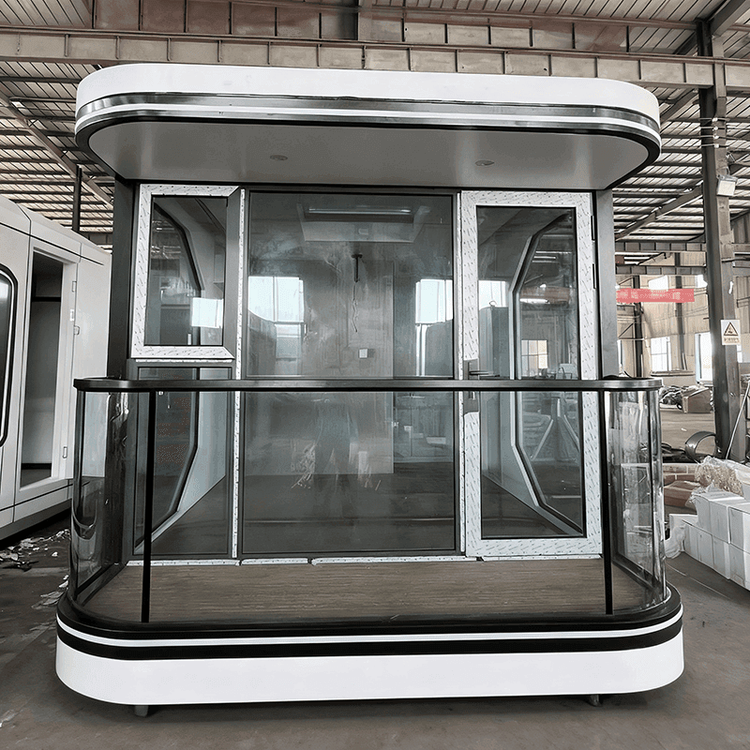
Bus Mobile Toilet Renovation
Bus mobile toilet renovation is an innovative application that transforms报废 (scrapped) or idle buses into mobile toilet solutions by rationally planning space and installing sanitary facilities.
Technical Principles and Renovation Process
- Space Planning: Precisely divide areas according to the internal dimensions of the bus. The main toilet area requires at least a 1.5m×2m space, while the hand-washing area utilizes the remaining space to set up sinks, mirrors, and storage cabinets.
- Structural Renovation: Remove the original seats and interior fittings, and carry out sound insulation and waterproofing treatments. Install a waterproof layer at the bottom of the bus body and open ventilation ports on the sides or rear to reduce odors.
- Facility Installation: Select water-saving toilets (using 3-5 liters per flush) and equip them with appropriately sized water tanks. The piping system uses corrosion-resistant materials (such as PVC or stainless steel). Some projects use vacuum toilet systems that suck in waste through negative pressure. The pipes have a diameter of only 50-75mm and consume only 0.5-1 liter of water per flush, saving space and extending the replenishment cycle of the clean water tank. The hand-washing station is equipped with hot and cold water supplies and can be either an integrated or a split type.
- Decoration: Lay non-slip floor tiles, use waterproof wallpaper or tiles on the walls, install lighting fixtures and exhaust fans on the ceiling, and adopt a simple and easy-to-clean interior style.
Application Scenarios and Industry Demands
It is suitable for large-scale outdoor events (music festivals, sports events), temporary construction sites, tourist attractions, and disaster relief sites where there is a lack of fixed sanitary facilities or during peak demand periods. For example, Sichuan Zhongheng Yuantai Environmental Technology Co., Ltd. provides bus mobile toilet renovation solutions for scenic spots such as Jiuzhaigou and Hailuogou to solve the problem of tourists' toilet needs.
Industry Standards and Precautions
It is necessary to comply with national and local standards for sanitary facilities and vehicle renovations, ensure that drainage meets environmental protection requirements, and that the vehicle passes safety inspections. Focus on waterproofing, anti-leakage, and anti-slip designs, such as the waterproof layer at the bottom of the bus body, non-slip floor tiles, and electrical circuit safety protection.
Cost and Benefit Analysis
The basic renovation cost is approximately 100,000-200,000 yuan, and high-end renovations may exceed 300,000 yuan. However, compared to building new fixed toilets, it has lower costs, faster deployment, and can be reused, offering both economic benefits (reducing long-term maintenance costs) and social benefits (improving public health service capabilities).