
Bus Mobile Toilet
A bus mobile toilet is a portable toilet transformed from a bus. It is a special form of mobile toilet, featuring strong mobility and flexible deployment, suitable for scenarios with high temporary or mobile demands.
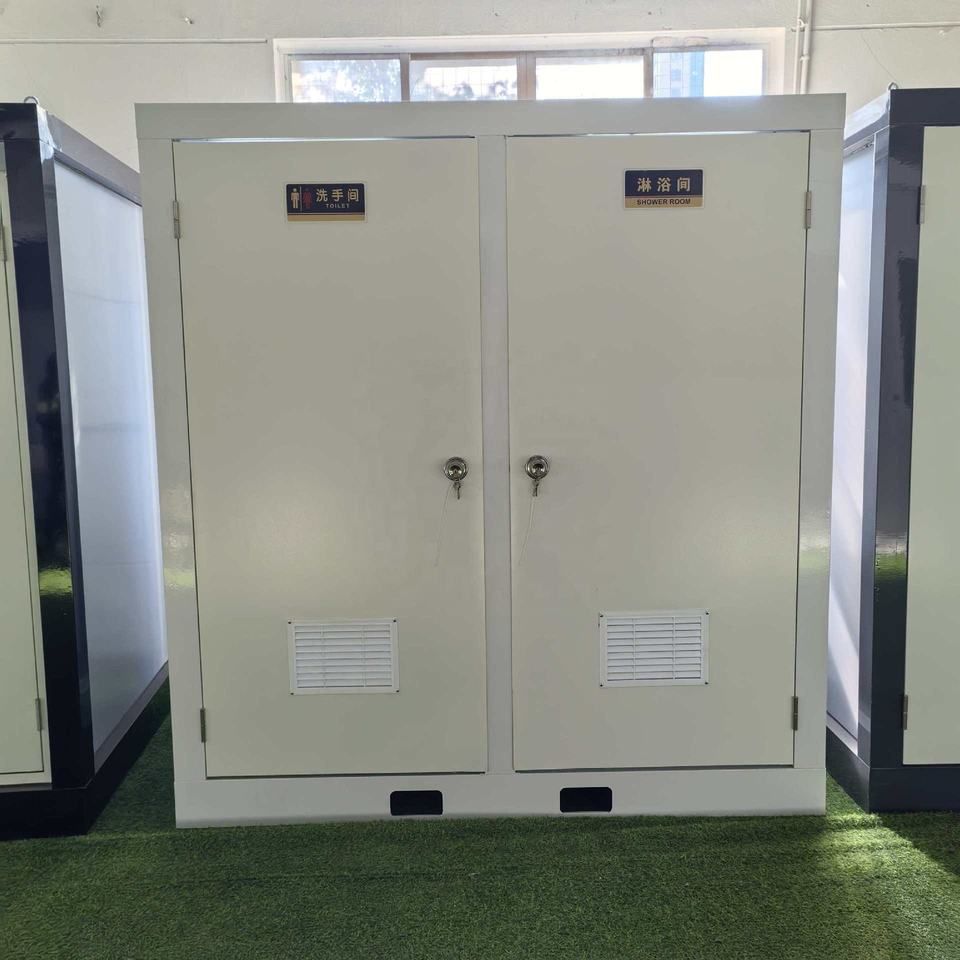
Transformation Basis and Characteristics of Bus Mobile Toilets
Bus mobile toilets use discarded or idle buses as carriers and achieve toilet functions through internal structural transformation. Their core advantage lies in retaining the mobile chassis and power system (for some types) of the bus, allowing them to drive directly to the target location without additional transportation equipment. This transformation method not only achieves resource reuse but also reduces the deployment cost of mobile toilets. Compared with ordinary mobile toilets, bus mobile toilets are more suitable for short-distance mobile services within cities, such as large-scale events and emergency support scenarios.
General Classification of Mobile Toilets and Suitable Types for Bus Mobile Toilets
Mobile toilets can be classified by structural form into single-unit structures (independent units) and composite structures (multi-unit combinations); by mobility into hoisting and handling types (requiring external equipment for lifting) and powered towing types (with their own power or capable of being towed). Bus mobile toilets usually fall into the powered type as they are transformed based on bus chassis and can drive autonomously to service points.
According to sewage treatment methods, mobile toilets are divided into:
- Water-flush and non-water-flush suction types: Rely on water sources for flushing and require supporting sewage pipes or sewage suction trucks;
- Recirculating water-flush types: Achieve sewage recycling through biological degradation or chemical treatment;
- Dry-packing types: Without water-flush devices, feces are collected by biodegradable plastic bags, which are automatically replaced and collected centrally after use.
Due to limited interior space and water supply conditions in buses, bus mobile toilets are more likely to adopt dry-packing types or non-water-flush suction types to reduce dependence on external facilities.
Application Scenarios and Limitations of Bus Mobile Toilets
Bus mobile toilets are suitable for temporary and mobile demands, such as music festivals, sports events, and disaster emergency scenarios. Their advantage lies in the ability to be quickly deployed to areas without fixed toilets and without the need for civil engineering. However, their limitations are also evident: the limited interior space results in a small number of toilet stalls; feces need to be regularly cleaned or packing bags replaced; long-term use may affect stability due to vehicle aging. Therefore, they are more suitable as a supplement to fixed toilets rather than a mainstream solution.



