Bus Converted to Mobile Toilet
There are cases where buses are converted into mobile toilets.

I. Practical Application Cases
At the Jinci Scenic Area in Shanxi, during holidays, there have been practices of converting coaches into mobile men's toilets. These modified vehicles are usually parked in open areas of the scenic spot, with the vehicle bodies clearly marked with the words 'Mobile Public Toilet' through electronic screens or banners, and designated as temporary restrooms for men only. Such modifications mainly address the issue of insufficient public toilet resources during peak tourist periods in the scenic area, enhancing service efficiency through temporary functional conversion.
II. Technical Feasibility of Modification
Converting the interior space of a bus into a toilet requires addressing three core issues:
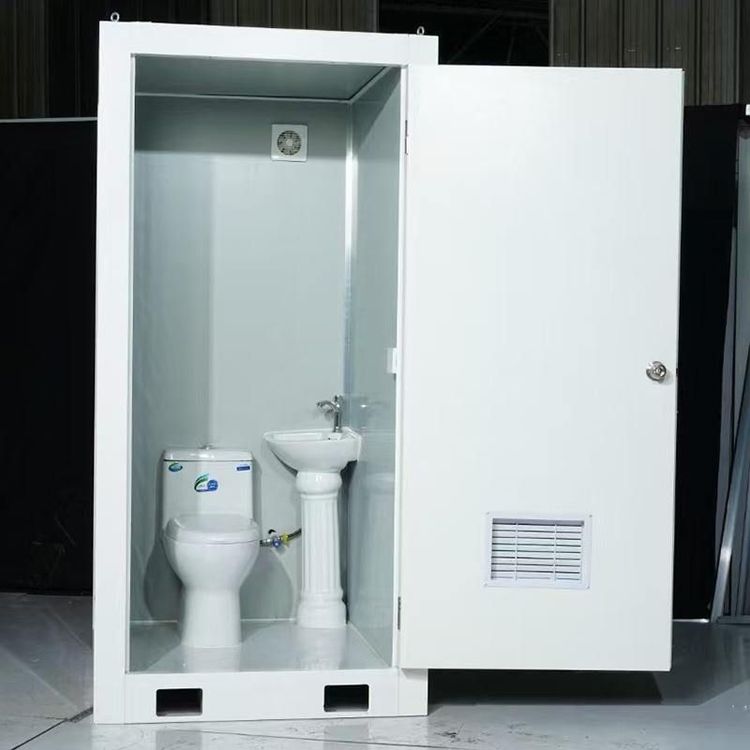
- Structural Modification: Remove the original seats and install toilet bowls, water tanks, and sewage disposal systems. Some cases adopt simplified designs, such as directly using portable toilets paired with sewage storage tanks to reduce modification complexity.
- Ventilation System: Install exhaust fans or forced ventilation devices, combined with the use of deodorizers, to control odor diffusion.
- Sewage Disposal: Small modified vehicles mostly adopt a regular cleaning mode for sewage storage tanks, while large mobile toilets may connect to municipal sewage pipelines or be equipped with independent sewage treatment equipment.
III. Expanded Application Scenarios
In addition to scenic spots, such modified vehicles can also be applied in:
- Large-scale Events: Temporary, densely populated venues such as music festivals and sports events, serving as supplements to fixed public toilets.
- Disaster Emergency Response: Quickly deployed as temporary sanitation facilities when infrastructure is paralyzed due to disasters like earthquakes and floods.
- Remote Areas: Provide mobile solutions for rural or mountainous areas lacking fixed public toilets, although the cost of sewage treatment for long-term operation needs to be considered.
IV. Limitation Analysis
- Capacity Limitation: A single modified bus can usually only accommodate 3-5 toilet stalls, making it difficult to meet large-scale demands.
- Maintenance Cost: Regular cleaning of sewage storage tanks, replenishment of consumables (such as toilet paper and disinfectants), and inspection of equipment operation status are required.
- User Experience: Due to space constraints, the interior may be cramped, and the lack of barrier-free facilities makes it less user-friendly for special populations.
Such modifications are temporary and supplementary measures, and their applicability needs to be evaluated in combination with specific scenarios.