Building Container Houses on Large Ships
Container houses can be built on large ships, and there are already relevant practical cases.
I. Transportation and Assembly Mode of Modular Houses
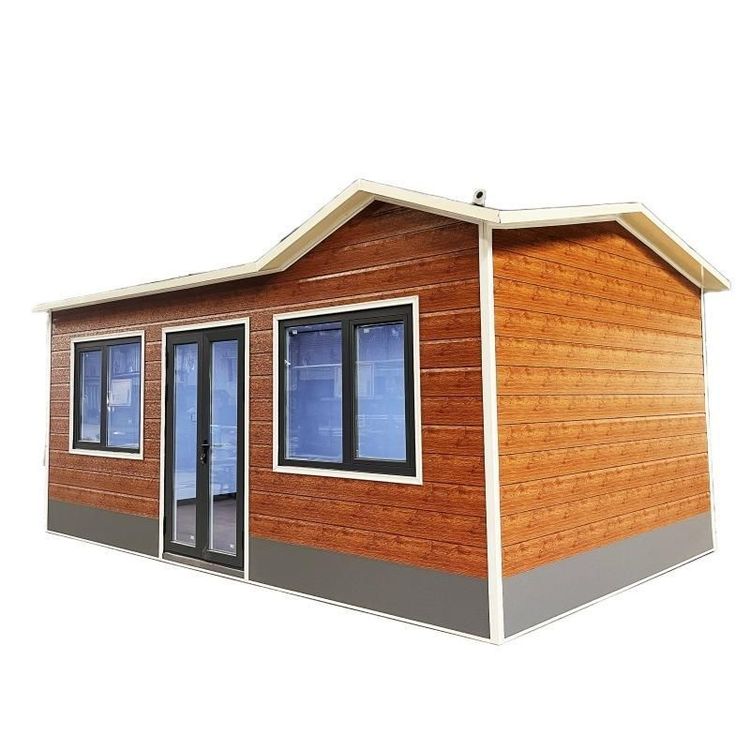
The Xiaomo International Logistics Port in the Shenzhen-Shanwei Special Cooperation Zone once set sail with 87 modular houses to Australia. These houses adopt the “factory prefabrication + on-site assembly” mode:
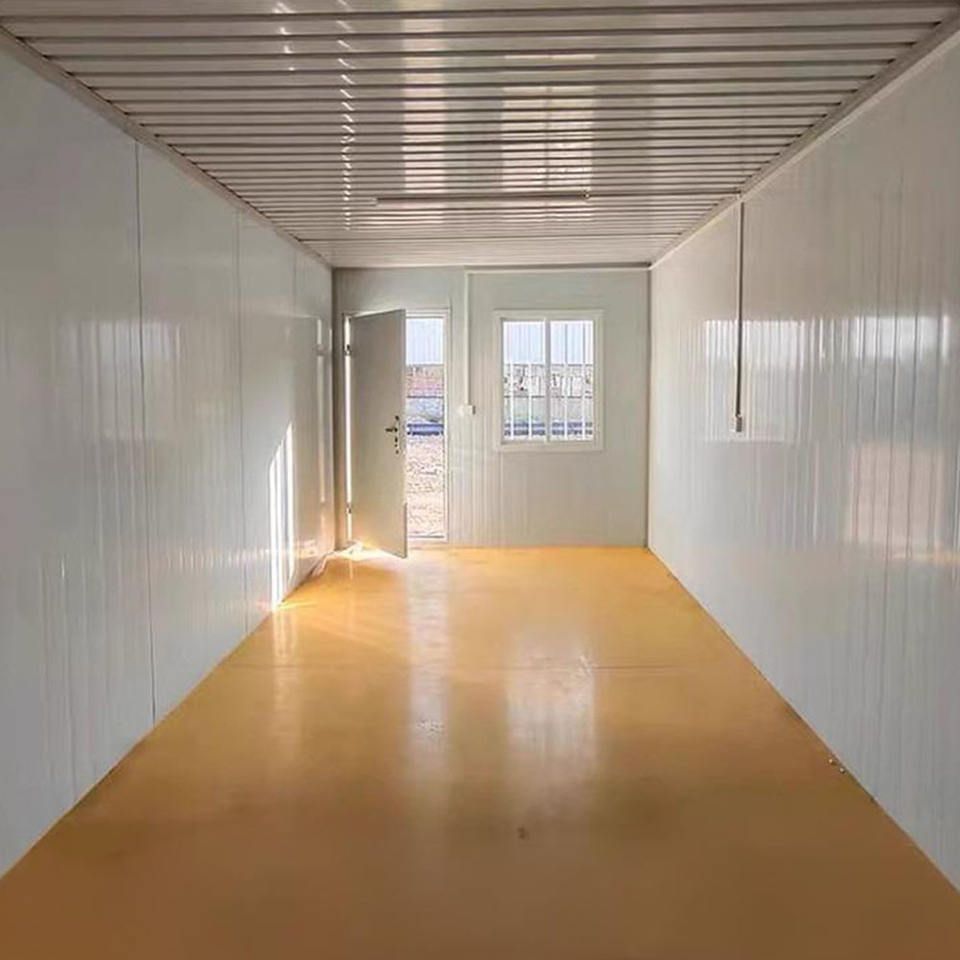
- Factory prefabrication: The houses are divided into independent modules, and the integration of water and electricity, decoration, and interior soft furnishings is completed in the factory. The main structure uses a steel frame with fire-resistant rock wool sandwich panels, providing insulation, fire resistance, sound insulation, and waterproofing functions.
- Transportation and assembly: After the modules are transported to the destination by cargo ships, they are combined with scattered parts such as steel structure roof trusses to build the overall雏形 (prototype). Only water and electricity connections are required on-site for occupancy. For example, the Australian project took only a few days from the arrival of the modules at the port to the completion of assembly, reducing the construction period by more than half compared to traditional methods.
II. Industrial Application Basis of Container Houses
The construction of container houses relies on a mature industrial system:
- Standardized production: Enterprises in Lianyungang and other places can mass-produce prefabricated integrated panel mobile container houses, construction site box-type houses, etc., supporting rapid delivery and replacement (such as 7-day replacement and 48-hour delivery).
- Structural adaptability: Container houses are made of steel structures and can be transformed into modular combinations through modifications. For example, companies such as Suzhou Jiufeng Integrated Housing Co., Ltd. and Suzhou Hangcheng Integrated Housing Co., Ltd. have the capabilities of research and development, sales, and installation of container houses, and their products have been applied in scenarios such as emergency wards and the “Fan Village” at the Qatar World Cup.
III. Technical Feasibility of Large Ship Transportation
The carrying capacity of large ships provides a guarantee for the transportation of container houses:
- Ultra-large container ships: China has built the world's largest class of container ships (such as ships with a carrying capacity of 24,188 standard containers). The deck area is equivalent to 3.5 football fields, easily accommodating a large number of house modules.
- Port supporting capabilities: Ports such as the Yangpu International Container Terminal have the berthing capacity for 150,000-ton foreign trade large ships, supporting the loading and unloading and transportation of ultra-large modular cargo.
IV. Economic and Environmental Advantages
Modular container houses built on large ships have significant advantages:
- Cost-effectiveness: The short construction period, repeated disassembly and relocation capabilities, and a significant reduction in construction waste and pollution.
- Market recognition: Australian customers have affirmed the quality and delivery efficiency of modular houses, confirming the feasibility of this mode.