
Back to blog
Article
Building Container Houses on Homestead Land
Admin September 17, 2026
Whether building container houses on homestead land is legal depends on the situation, as detailed below:
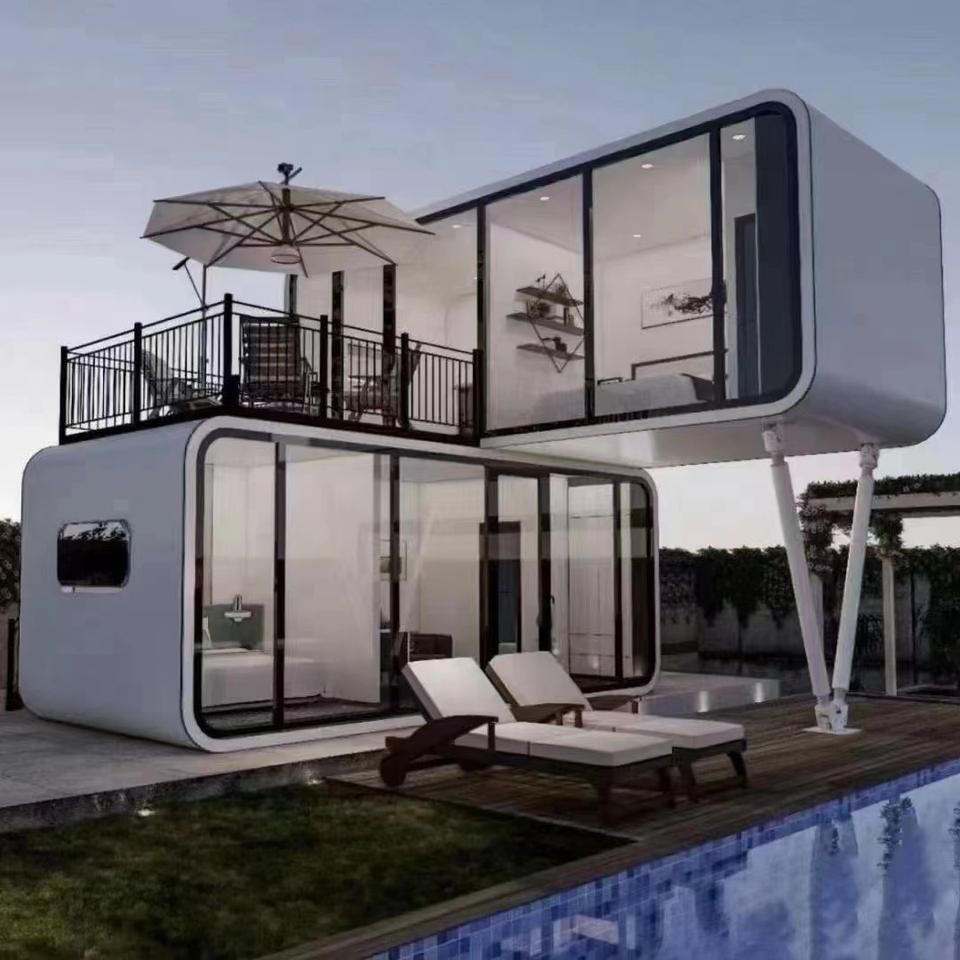
Legal Situations
- Temporary Use with Consent: If temporary placement of containers is for short-term activities on one's own homestead, such as storing tools and materials during house renovation, and prior consent has been obtained from the village committee or relevant authorities, this use is temporary and reasonable, and is generally not considered illegal.
- As an Accessory to Legal Buildings: If containers undergo legal approval procedures and are transformed into buildings suitable for legal purposes such as residence or business operations, and together with the original buildings on the homestead form a complete space, for example, transformed into a characteristic homestay with planning permission and approval, this placement is legal.
- Compliance with Planning and Policies: Container placement must comply with local urban and rural planning requirements, and must not affect the city's appearance, obstruct traffic, etc. If local policies allow containers to be used as temporary buildings and do not occupy land quotas, their legality is subject to local temporary building management regulations, and relevant procedures must be followed.
- Approved and Compliant: If an application has been submitted to the local village committee, township government, and other relevant departments in accordance with regulations, construction permission has been obtained, and the construction of the container house complies with local planning requirements and building standards, it is not considered an illegal structure.
Illegal Situations
- Unauthorized Change of Land Use: Homesteads have specific uses and planning requirements. If containers are placed for purposes other than those planned for the homestead, such as an unapproved commercial warehouse, this violates land management laws and regulations.
- Impact on Planning Implementation: When container placement affects the overall implementation of rural planning and disrupts its integrity and coordination, it is considered illegal.
- Safety Hazards: If container placement poses obvious safety hazards, such as being placed on fire lanes or having unstable structures that may pose a threat to surrounding people and buildings, this is illegal.
- Placement on Illegal Structures: If the homestead itself is an illegal structure, placing a container house on it is also illegal.
- Change of Use: Container houses are originally designed as temporary living spaces. If they are repurposed for other uses, such as construction projects, rentals, or catering and other commercial purposes, this may violate relevant regulations.
- Unauthorized House-like Modifications: Unauthorized modification and construction of containers to make them suitable for living, such as connecting to water and electricity supplies, adding doors and windows, or installing air conditioners, should be considered illegal structures; container stacking in public areas should be identified as illegal occupation of public space.
Related



