
Bozhou Street Mobile Toilet
Bozhou City offers rental services for mobile public toilets, with prices ranging from 230 to 300 yuan. However, the service provider is located in Yongkang City, Zhejiang Province, so additional costs for transportation and installation need to be confirmed. The following provides a科普 (popular science explanation, here translated as 'general introduction') on the composition, classification, and environmental characteristics of mobile toilets:
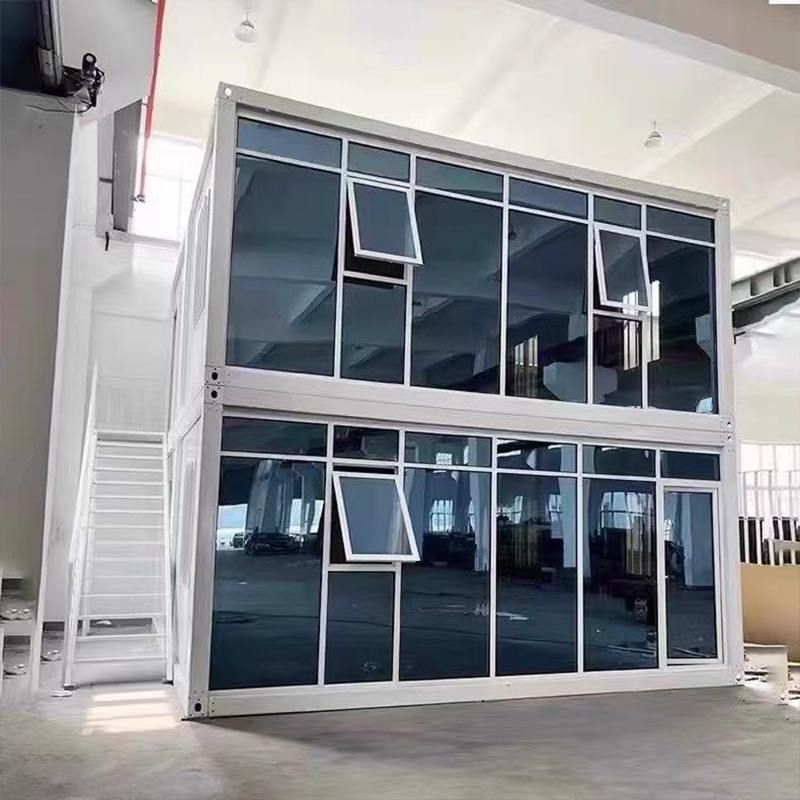
I. Core Components of Mobile Toilets
Mobile toilets typically consist of six major systems:
- Fecal Treatment System: This includes storage tanks (for waterless flush toilets) or disposal units (such as septic tanks or biodegradation modules). Some high-end models are equipped with circulation filtration systems that can purify wastewater for reuse in flushing.
- Structural Framework: Lightweight and high-strength materials (such as aluminum alloy or fiberglass-reinforced plastic) are used to ensure mobility. The walls are often modular in design for quick assembly and disassembly, and some models use insulation materials to adapt to low-temperature environments.
- Sanitary Facilities: These include water-saving toilets or squat pans, sinks, hand dryers, etc. Some models are equipped with sensor-activated faucets to reduce contact contamination.
- Mobile Devices: Depending on transportation needs, they are divided into lifting types (requiring forklifts or cranes), towing types (connectable to vehicles for towing), and manual handling types (suitable for small-scale scenarios).
- Auxiliary Systems: Such as ventilation systems (forced exhaust or natural ventilation), lighting systems (solar or mains-powered), and odor control devices (activated carbon filtration or biological deodorization).
II. Classification Methods of Mobile Toilets
- By Structural Form:
- Single-unit structure: Independent units suitable for scenarios with limited space (such as road construction or temporary exhibitions).
- Composite structure: Multiple units combined to expand into multiple toilet stalls, management rooms, or barrier-free facilities, commonly found in scenic spots or large events.
- By Mobility Method:
- Lifting type: Relies on mechanical handling, suitable for long-term fixed locations that require occasional movement.
- Towing type: Comes with its own axles and can be quickly connected to vehicles for transfer, offering high flexibility.
- By Sewage Treatment Method:
- Water-flush type: Requires connection to a water source, with sewage discharged into municipal sewers or storage tanks. It offers high cleanliness but consumes a large amount of water.
- Waterless flush suction type: Uses vacuum pumps to suction feces, suitable for water-scarce areas but requiring regular removal and transportation.
- Dry packing type: Uses biodegradable plastic bags to collect feces, requiring no water source and suitable for extreme environments (such as deserts or plateaus).
III. Technological Advantages of Environmentally Friendly Mobile Toilets
Environmentally friendly mobile toilets achieve resource conservation through technological innovation:
- Water-saving Technology: Foam-sealed toilets cover feces with foaming liquid, using only 0.2 to 0.5 liters of water per flush, saving over 90% of water compared to traditional toilets.
- Resource Recycling: Circulating water-flush toilets are equipped with membrane bioreactors (MBRs) that can purify wastewater to reclaimed water standards for use in flushing or green irrigation.
- Energy Self-sufficiency: Some models integrate solar panels to power lighting and ventilation systems, reducing reliance on mains electricity.
- Environmentally Friendly Materials: Walls are made of recyclable materials (such as recycled plastics), reducing construction waste generation.
Selection Advice: If you need to rent a mobile toilet in Bozhou, clarify the usage scenario (such as project duration, foot traffic), water and electricity conditions, and budget. Prioritize models that meet environmental standards and are easy to maintain, and confirm the transportation and after-sales capabilities of the service provider.



