Boys' Mobile Toilet
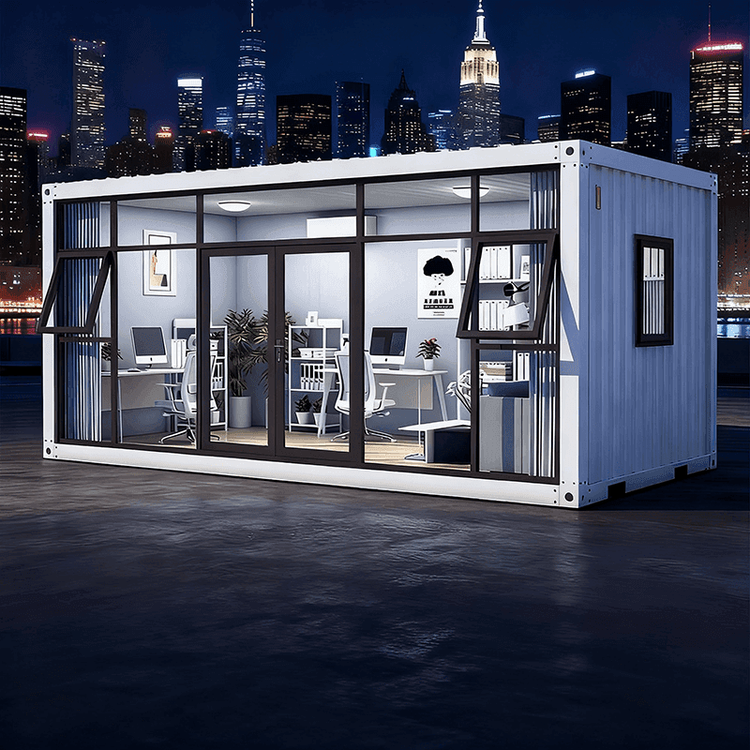
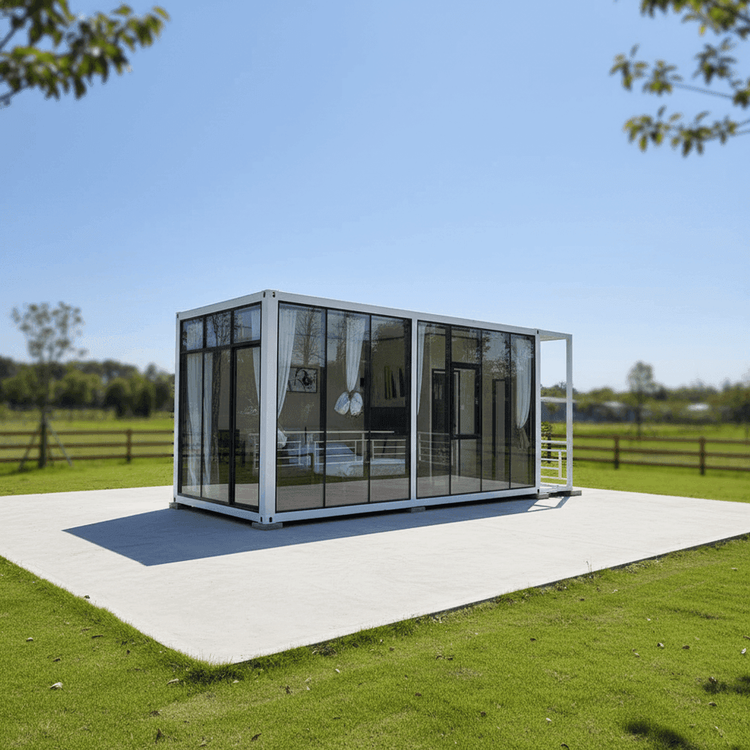
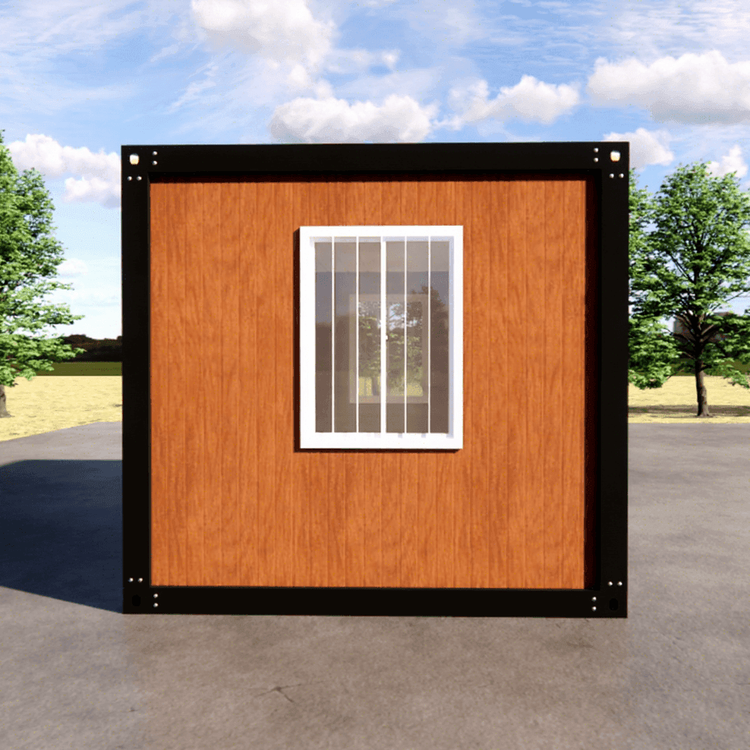
Boys' mobile toilets can be customized in various ways to meet different needs, with multiple types and structural forms available for selection.

In terms of custom design, there are various distinctive styles. For example, there is a boys' exclusive mobile toilet with a double-roof design. Its front features metal carved panels and has two decorative windows, providing excellent light transmission. This ensures sufficient light inside the toilet while also offering a certain degree of aesthetic appeal. Additionally, there is a mobile toilet with a ridge-shaped design, which adopts a galvanized steel frame structure and features a color-block design. Inside, there is a thoughtfully placed sink cabinet, facilitating hand cleaning for users and enhancing convenience and comfort during use.
In terms of structural composition, mobile toilets generally consist of multiple parts. The fecal sewage storage tank (or fecal sewage treatment device) is used to collect and treat fecal sewage, ensuring the hygiene of the toilet environment. The floor provides a stable standing and activity space for users. Sanitary ware is the key facility to meet basic usage needs. The walls serve to separate and protect privacy. Washing equipment facilitates user cleaning. The water tank provides water for flushing and other operations. The roof protects against wind and rain. The mobile device allows the toilet to be repositioned as needed.
In terms of structural forms, they can be divided into single-structure mobile toilets and composite-structure mobile toilets. Single-structure toilets are relatively independent and simple, suitable for places with limited space or high flexibility requirements. Composite-structure toilets are more complex, potentially having more functions and space to meet larger-scale usage needs.
In terms of mobility, there are lifting and handling-type mobile toilets, which are easy to move using lifting equipment or manual handling. Power-driven and towed-type mobile toilets can be moved using power devices or vehicles, suitable for long-distance or frequent movement scenarios.
In terms of sewage treatment methods, there are water-flushing and waterless suction-type mobile toilets. Water-flushing types can better maintain toilet cleanliness but require a sufficient water supply. Waterless suction types are suitable for water-scarce areas. Recirculating water-flushing mobile toilets can recycle water resources, improving water utilization efficiency. Dry-packing mobile toilets package feces in a dry form, facilitating subsequent cleaning and transportation.