
Boye Mobile Toilet Installation
The installation of mobile toilets in Boye requires following key steps such as transportation, fixed connection, water and electricity access, and waste liquid treatment. The specific procedures and precautions are as follows:
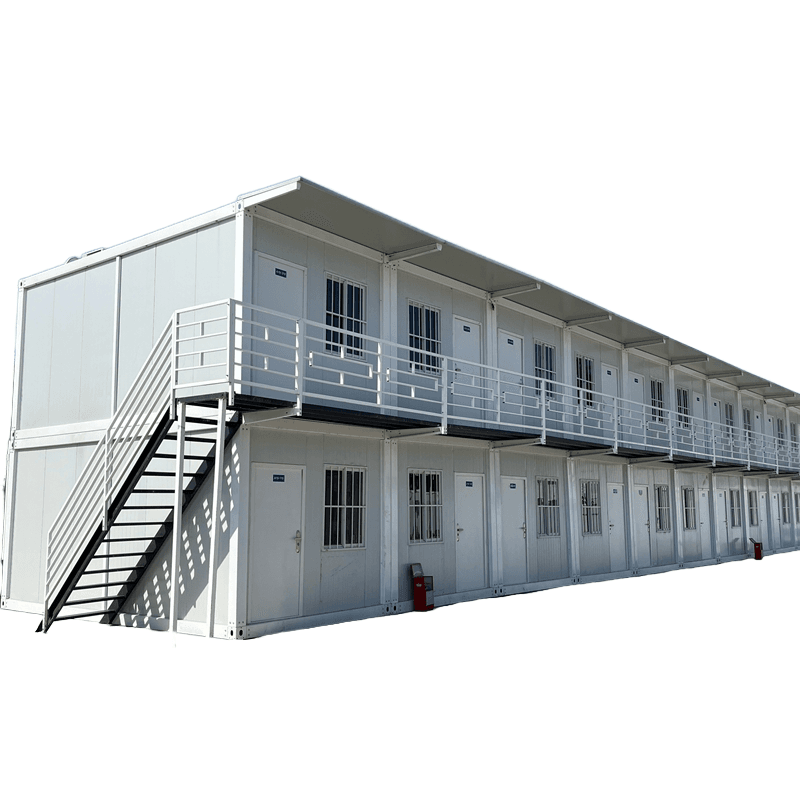
1. Transportation and On-site Preparation
Mobile toilets need to be transported to the installation site using specialized vehicles. Before transportation, ensure that the site is level and has access to water and electricity. If the site is a temporary event area, plan the temporary laying path of the sewage pipes in advance to avoid damage to the site during subsequent construction.
2. Main Structure Installation
- Side Panel and Door Panel Installation: Assemble the side panels in the order specified in the instructions and fix them together with buckles or bolts to ensure structural stability. When installing the door panels, pay attention to the hinge direction to avoid obstruction during opening and closing.
- Internal Facility Assembly: Install accessories such as tissue boxes, urinals, and toilets (if any) in sequence, and connect the water pipes and sewage pipes. Adjust the levelness of the urinals to prevent urine splashing.
- Buckle Fixation: After all components are installed, check each buckle to ensure it is securely fastened to prevent loosening during use.
3. Water and Electricity Access and Equipment Debugging
- Water Inlet and Sewage Valve: Connect the external interfaces to clean water sources and sewage pipes. Install a filter at the water inlet to prevent impurities from clogging the water pipes; regularly check the tightness of the sewage valve to avoid leakage.
- Lighting and Ventilation Systems: The internal lighting relies on an independent power source or solar panels. Test the brightness of the lights and the sensitivity of the switches; ensure that the ventilation equipment has no obstructions at the air outlets to maintain air circulation.
4. Selection of Waste Liquid Treatment Methods
Depending on the scale of the event and environmental protection requirements, the following two methods can be chosen:
- Centralized Collection and Transportation: Suitable for short-term events, collect waste liquid through storage tanks and regularly transport it to a treatment station by specialized vehicles.
- Temporary Septic Tank Connection: For long-term use scenarios, dig a temporary septic tank and connect it to the toilet's sewage outlet through pipes, utilizing natural decomposition to reduce pollution.
5. Safety and Acceptance
After installation is complete, conduct a comprehensive inspection: ensure that there are no exposed water and electricity lines, no blockages in the sewage pipes, and no shaking in the structure. Only after passing the acceptance inspection can the toilet be put into use, and users should be informed of the operating specifications and maintenance precautions.



