
Box-type Mobile Toilet Manufacturing
The manufacturing of box-type mobile toilets primarily involves the selection of design frameworks, materials, and the configuration of treatment technologies.
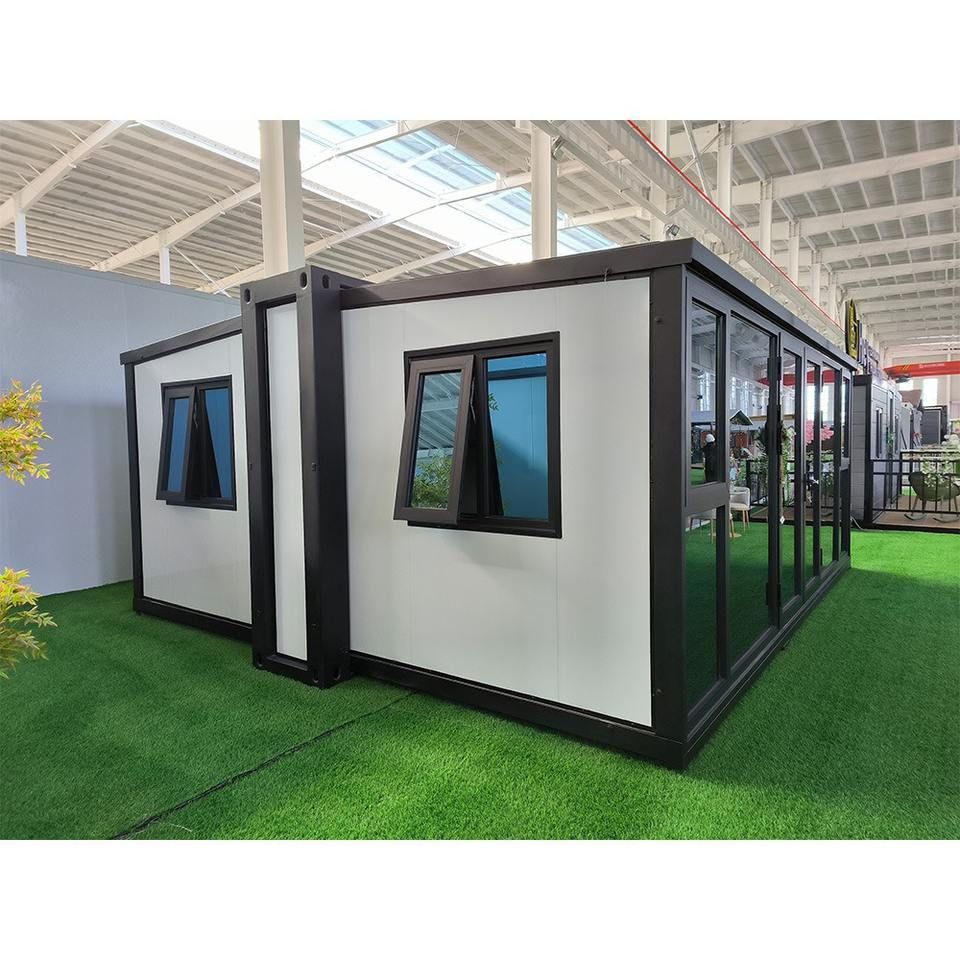
There are two common approaches to the design framework. One is to use a packing-box framework, such as employing a 2.5-specification packing-box framework as the foundational structure. In this design, the interior undergoes meticulous decoration, with integrated ceilings enhancing the overall aesthetic appeal and cleanliness of the toilet interior, providing a more comfortable visual experience. The floor is paved with tiles, which not only facilitates cleaning but also enhances the durability of the floor. Additionally, ceramic sinks are designed for easy hand cleaning by users, while partitioned sections ensure user privacy and meet the needs of different user groups.
Another design involves modifying standard shipping containers. The toilet skeleton is welded from high-density galvanized steel, a material with high strength and stability that ensures the overall robustness of the toilet structure, capable of withstanding certain external forces. The exterior walls and roof panels are made of high-strength, thickened galvanized steel sheets, further enhancing the toilet's protective performance against external environmental erosion. The wall panels use insulated sandwich panels, effectively blocking the transfer of external temperatures and providing a relatively comfortable internal temperature environment for users in both hot and cold climates. Moreover, these building materials are recyclable and degradable, aligning with environmental protection principles and reducing resource waste and environmental pollution.
In terms of treatment technologies, some box-type mobile toilets are equipped with wet microbial treatment technologies. This technology treats the sewage generated by the toilet through the action of microorganisms, undergoing a series of biochemical reactions to achieve water quality standards suitable for non-potable water reuse. The treated water, known as reclaimed water, can be used for toilet flushing, green irrigation, and other non-potable water purposes, enabling the recycling of water resources, improving water use efficiency, reducing reliance on freshwater resources, and holding significant application value in regions with relatively scarce water resources.



