Box-type Container House Sales
The sales of box-type container houses require a comprehensive consideration of product performance, compliance, scenario adaptability, and cost-effectiveness, with priority given to leading manufacturers with full lifecycle service capabilities. The following analysis is conducted from three aspects: industry trends, purchasing considerations, and typical manufacturers.

I. Core Industry Trends: Low-carbonization, Scenario-based Adaptation, and Compliance
The box-type container house industry has entered a stage of high-quality development, with three significant trends emerging:
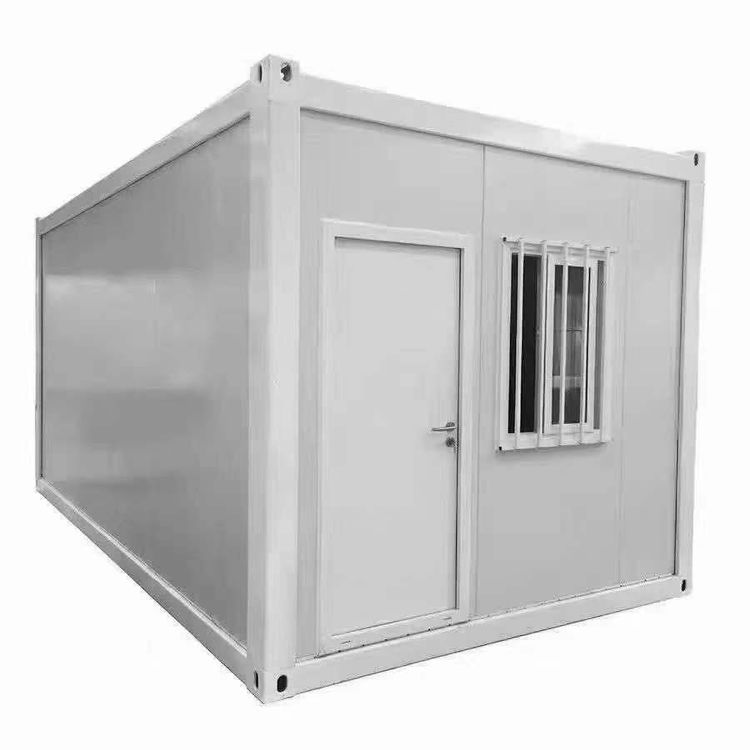
- Full Lifecycle Low-carbon Circulation: Leading products can be disassembled and reused an average of more than 8 times, reducing construction waste emissions by approximately 90% compared to traditional temporary buildings, aligning with green construction policy directives. For example, the fire-resistant container houses from Wuhan Jinxiang Light Steel Housing Co., Ltd. utilize high fire-resistant materials, supporting multiple relocations and high resource utilization rates.
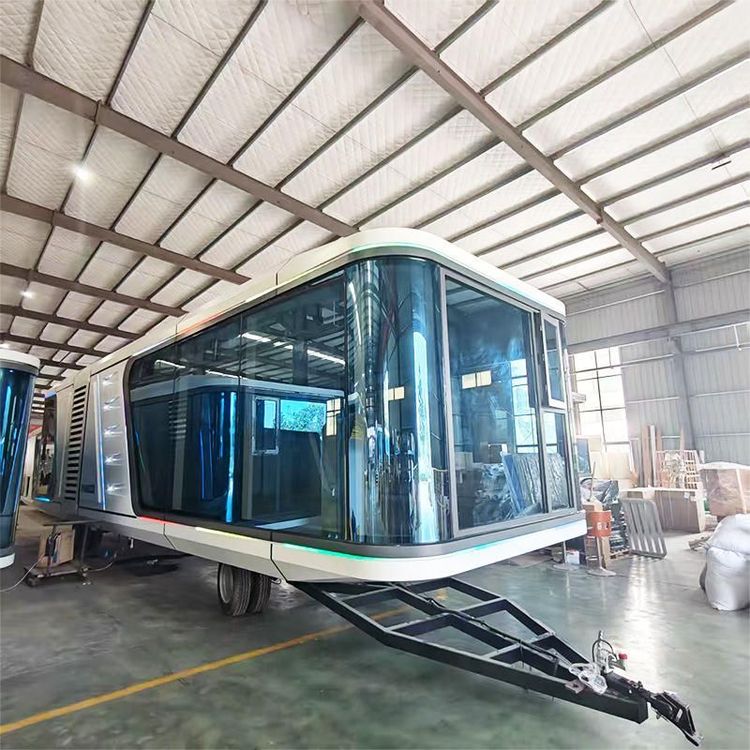
- Cross-scenario Versatility: Products are adapted to diverse scenarios such as engineering camps, cultural tourism homestays, and emergency support through modular assembly, facade customization, and internal functional modifications. For instance, the glass curtain wall packing boxes from Suzhou Dongji Integrated Housing Technology Co., Ltd. meet the needs of high-end business exhibitions.
- Compliance and Standardization: Overseas market demand has driven cross-border compliance certifications to become standard, requiring manufacturers to possess both domestic and international qualifications and project delivery capabilities. For example, Zhongyu Group's products have been exported to 35 countries and regions, passing certifications such as ISO 9000 and CCC.
II. Key Purchasing Considerations
- Process Performance: Prioritize products that adopt welding-free quick assembly processes with low disassembly and assembly losses. For example, suppliers in the Jining region have resolved winter condensation issues and improved structural stability by adjusting the coating formula of the panels (e.g., a high weather-resistant polyester resin outer layer + a moisture-proof aluminum foil inner layer).
- Compliance Services: Verify manufacturer qualifications, certifications, and after-sales capabilities. Leading manufacturers such as Shandong Weichang New Building Materials Co., Ltd. offer 'in-depth factory inspection' services to ensure project compliance.
- Scenario Adaptability: Choose customized products based on specific needs. For example, the construction site container mobile houses from Chongqing Zelin Industrial Co., Ltd. support access control booth functions, while the campsite space capsules from Guangdong Changting Integrated Housing Technology Co., Ltd. are designed for outdoor light steel mobile scenarios.
- Return on Investment: Comprehensively evaluate full lifecycle costs. Wuhan Jinxiang's 'labor and material inclusive' one-stop service model reduces the client's coordination efforts, achieving peace of mind, effort savings, and cost savings.
III. Recommended Typical Manufacturers and Products
- Wuhan Jinxiang Light Steel Housing Co., Ltd.: Focused on the Central China market, it provides a full range of services from scheme design to on-site installation, with products covering standard packing boxes, glass curtain wall boxes, and cultural tourism landscape boxes.
- Zhongyu Group: With an annual production capacity of 30,000 sets, its product line includes packing boxes and Apple Pods, exported to 35 countries and regions, suitable for overseas cross-border engineering needs.
- Suzhou Dongji Integrated Housing Technology Co., Ltd.: Certified by CCC, it supports customized production of color steel plate integrated houses, suitable for purchasers with strict quality control requirements.
Purchasing Recommendations: Prioritize manufacturers with integrated 'design-production-installation-after-sales' capabilities, focusing on product reuse times, compliance certifications, and scenario adaptability, and avoid choosing suppliers with incomplete qualifications or outdated technology due to low prices.