Bottomless Mobile Toilet
Currently, there is no explicit definition or standard product description specifically for 'bottomless mobile toilets,' but their possible design directions and functional characteristics can be inferred based on the general features of mobile public toilets.

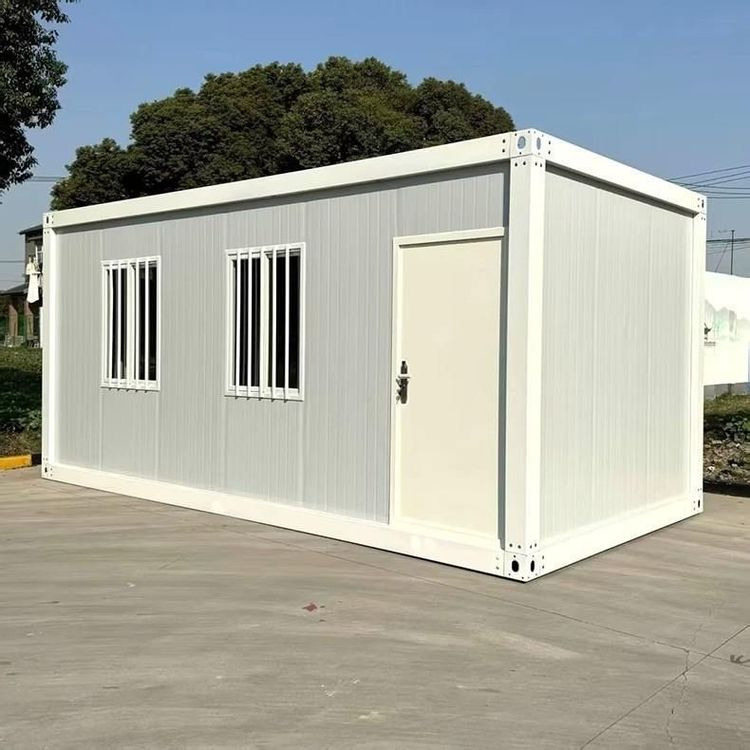
The core feature of mobile public toilets is their independence from fixed foundations, enabling rapid deployment and relocation through modular design. Their main structures typically employ lightweight, corrosion-resistant materials (such as color-coated steel sheets and fiberglass-reinforced plastics), with independent sewage storage tanks and water supply systems inside to ensure self-sufficiency of functional units. If the 'bottomless' design refers to the absence of traditional concrete or steel foundations, then all mobile toilets meet this criterion, as they are placed directly on the ground using bottom support structures (such as steel frames and anti-slip mats) without the need for foundation excavation or pipe laying.
If 'bottomless' specifically denotes the absence of a closed bottom structure (e.g., no floor or direct contact with the ground), analysis must be conducted in conjunction with specific application scenarios:
- Sewage storage and leakage prevention design: The sewage storage tanks of mobile toilets are typically located at the bottom and are sealed to prevent leakage. If 'bottomless' means the absence of a solid floor at the bottom, reliance may be placed on the sealing performance of the sewage storage tank or ground anti-seepage treatment (such as laying anti-seepage membranes) to avoid contamination. Such designs may be suitable for temporary events or emergency scenarios but require strict management of sewage disposal processes.
- Ventilation and hygiene: An open bottom may enhance ventilation, reducing odor accumulation, but requires complementary pest and rodent control measures (such as metal mesh covers). Additionally, ground cleaning relies on external equipment (such as high-pressure water guns), potentially increasing maintenance costs.
- Limitations on applicable scenarios: Bottomless designs may not be suitable for soft soil foundations or slopes, as unstable support may lead to tilting or sewage leakage. Furthermore, in cold regions, anti-freezing measures (such as heating the sewage storage tank) must be considered to prevent sewage from freezing and affecting usability.
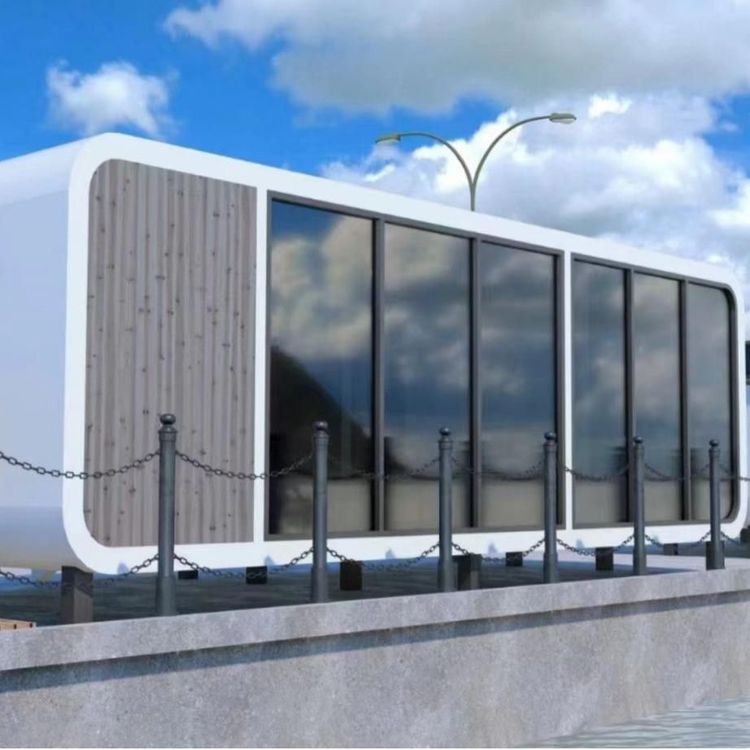
Currently, commonly available products on the market, such as color-coated steel sheet mobile toilets and luxury vehicle-mounted toilets, although not explicitly labeled as 'bottomless,' all achieve rapid assembly and disassembly through modular design, with bottom structures primarily focused on support and sealing without forming fixed connections. If users require further information on the feasibility of specific 'bottomless' designs, it is recommended to consult professional suppliers based on specific needs (such as application scenarios, budget, and environmental requirements) to evaluate structural stability, sewage disposal plans, and compliance.