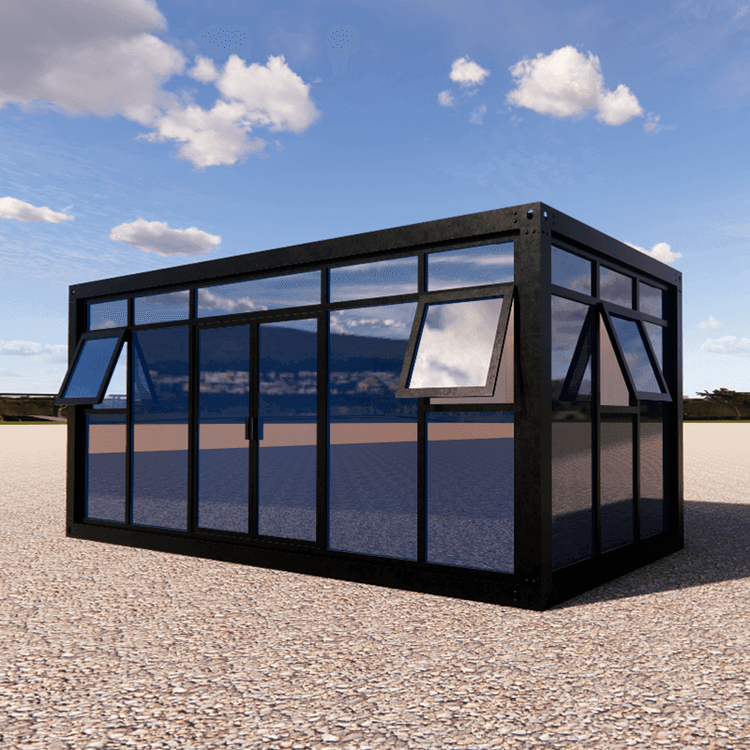
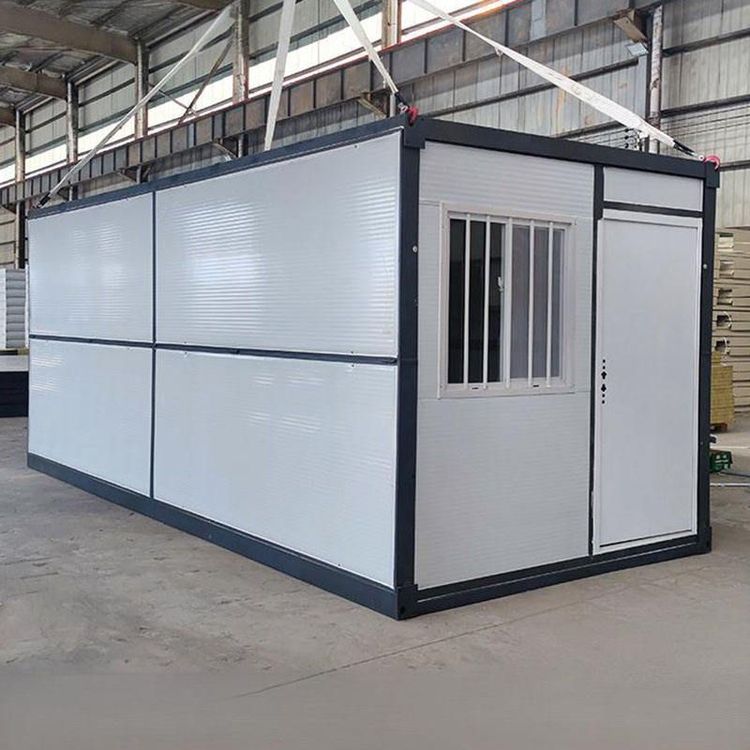
Bomi Container House
Bomi container houses are mainly used in scenarios such as temporary living, engineering construction, and emergency support. They have advantages such as modularity, mobility, and rapid construction, and need to adapt to extreme plateau environments and comply with policy regulations.
I. Core Application Scenarios
Temporary Living and Engineering Construction
In extreme environment areas like Motuo, foldable container houses have become an ideal solution for addressing large-scale personnel living issues. For example, to meet the concentrated living needs of 200,000 people, approximately 50,000 standard container houses are required (calculated at 4 people per room). Their modular design supports rapid construction. A team of 4 people can complete the vertical unfolding of the container body within 5 minutes using a small crane, and form a living cluster that can accommodate a thousand people within 72 hours. In addition, container houses are widely used in engineering construction for on-site offices, dormitories, and temporary facilities, significantly shortening the on-site construction period and reducing labor costs.Emergency Support and Military Use
A certain unit in Bomi, Tibet, once publicly tendered for the procurement of container-style houses and supporting materials for military facility construction. Such projects have extremely high requirements for the durability, adaptability, and rapid deployment capabilities of the houses, and need to meet plateau climate conditions, geological disaster risks, and policy compliance (such as temporary building approvals and geological disaster assessments).II. Technical Advantages and Adaptability
Climate Adaptability
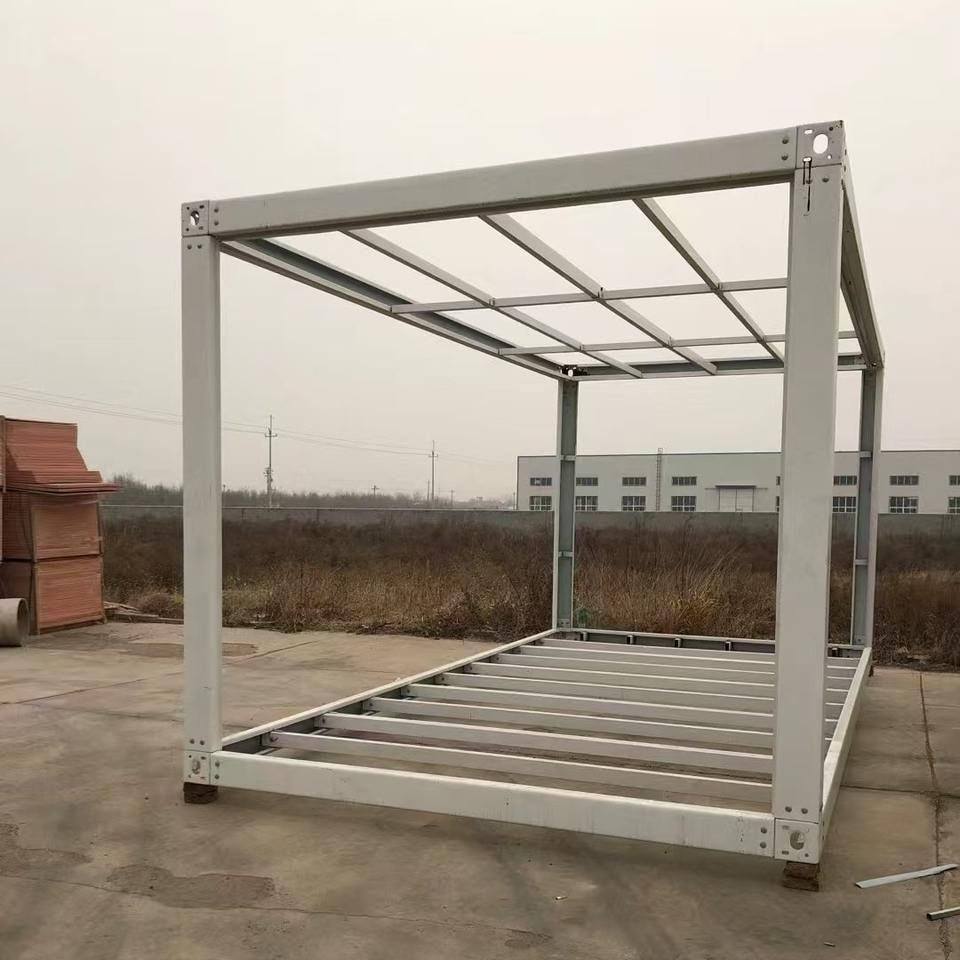
In response to the humid and strong-wind environment of the plateau, container houses adopt IPX8-rated waterproof color steel, concave-convex interlocking structures, and double drainage trough designs to achieve zero rainwater leakage. Hot-dip galvanized wind-resistant tie rods and ground anchors are added at the four corners, keeping the displacement within 3 millimeters under a Category 17 typhoon, far exceeding traditional panel house standards. The walls use 50-millimeter rock wool sandwich panels and Class A fire-resistant glass magnesium boards, combined with an intelligent temperature control system, which can control the indoor temperature difference within 5 degrees Celsius in an environment of -20 degrees Celsius.Environmental Protection and Relocatability
In the later stages of the project, 80% of the container bodies can be disassembled, relocated, and reused, with a steel recovery rate exceeding 90%. The pile foundation elevated design reduces ground excavation by 90%, and the vegetation coverage rate recovers to 95% within 6 months after removal, achieving ecological infrastructure goals.III. Policy and Procurement Regulations
The procurement of container houses in Tibet must strictly follow government and military tendering procedures. For example, a certain container procurement project by a military unit required suppliers to have enterprise (institution) legal person qualifications, not be solely foreign-funded or controlled, and be registered and certified through the military procurement network. The announcement of winning bidders showed that Lhasa Aobin Industrial Co., Ltd. won the bid with a price of 238,400 yuan, and the project agency fee was charged according to the standards of the National Development and Reform Commission's documents.