Black Container House Dormitory
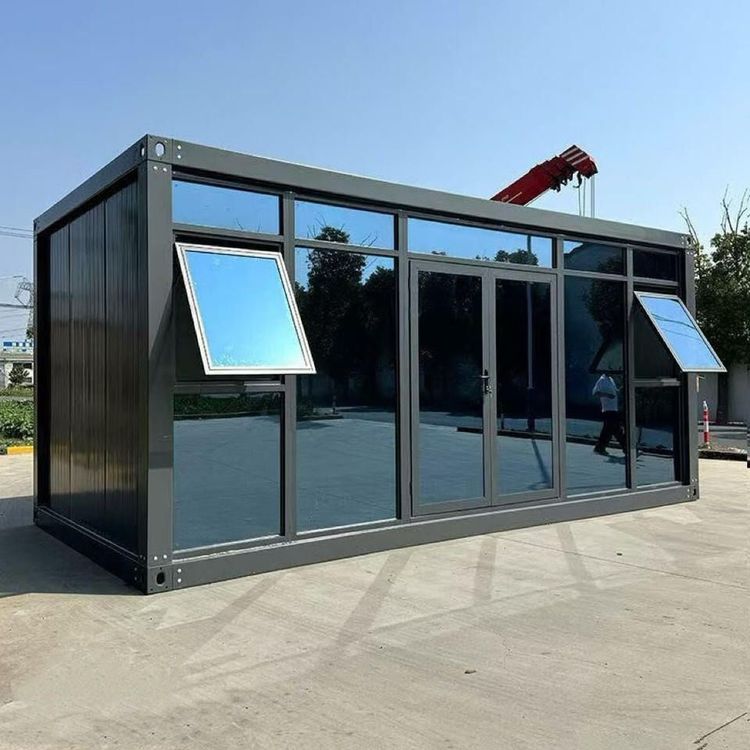
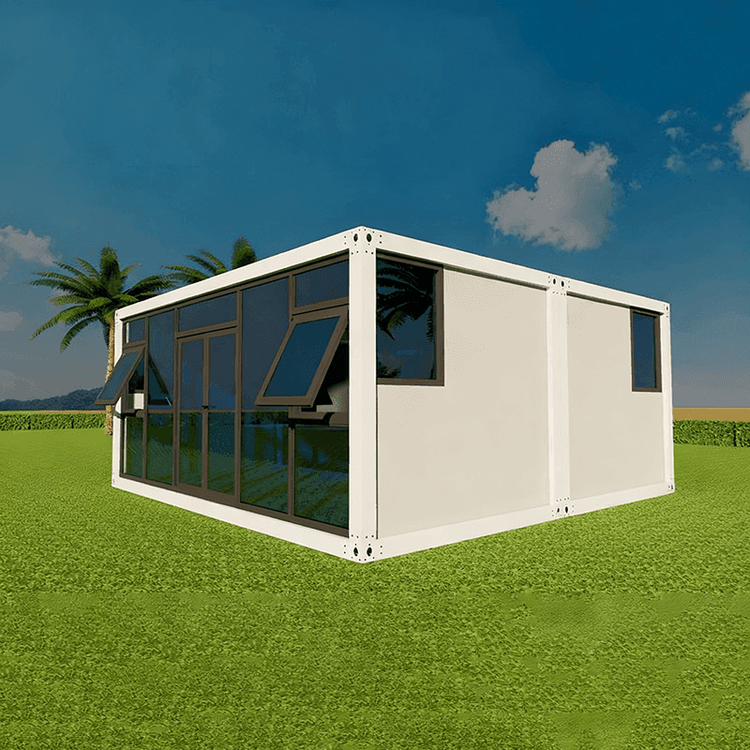
Black container house dormitories generally refer to temporary living spaces transformed from black containers as basic units. Their design, functionality, and applicable scenarios vary depending on their purposes, requiring analysis of their characteristics and specifications in conjunction with specific cases.

1. Nagoya Asian Games Container Dormitories: Compliant but Limited Conditions
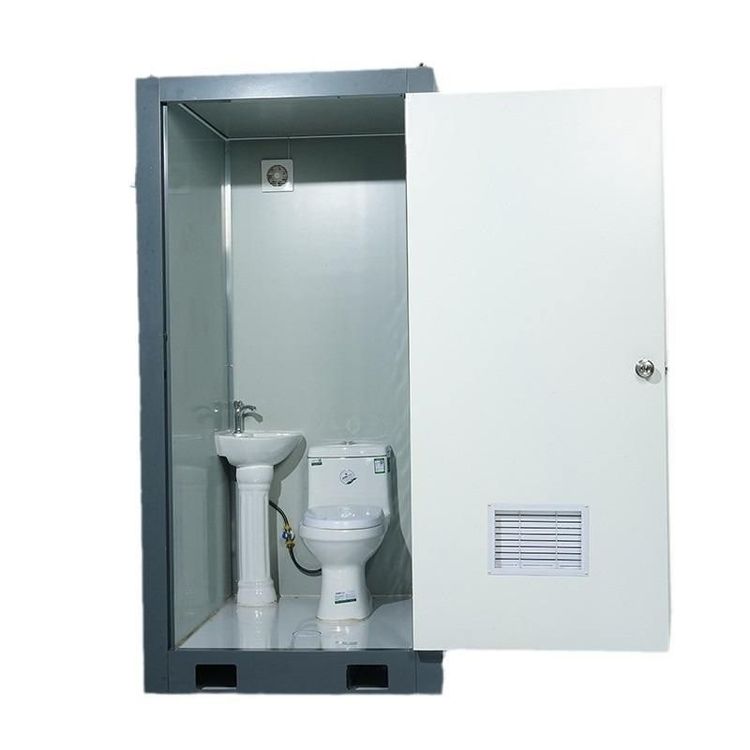
The Nagoya Asian Games utilized containers as athlete dormitories, with each unit measuring 13 meters in length and 3 meters in width, divided into two households. Each household accommodated three people, with a total of six people sharing a bathroom, shower room, and washing machine. The dormitories were equipped with air conditioning, refrigerators, and barrier-free ramps, meeting the minimum standards set by the Olympic Council of Asia for 'safety, hygiene, and meeting basic rest needs.' However, the space was cramped: single beds were 195 centimeters long, extremely unfriendly to athletes over 2 meters tall (such as basketball and volleyball players), and lacked personal activity space. Indian discus throwers reported initial difficulty adapting to the confined environment, but gradual adjustment was possible. These dormitories essentially represented an 'extremely compressed' accommodation solution, compliant but lacking in comfort, reflecting the organizer's compromise under budgetary pressures.
2. Commercial Black Container Dormitories: Flexibility and Cost-Effectiveness Combined
In the commercial sector, black container dormitories are commonly used on construction sites, for temporary offices, or at event venues. For example, some suppliers offer customizable container houses, with sizes ranging from 6 square meters to tens of square meters and prices from tens to hundreds of yuan per square meter, supporting rapid installation, disassembly, and relocation. These dormitories typically use color-coated steel plates or rock wool boards as filling materials, must meet fire safety regulations (such as Class A fire resistance limits), and are equipped with simple fire extinguishing equipment and safety distances (at least 6 meters) as fire prevention measures. Their advantages lie in low cost and short construction periods, but strict management of heat sources, fire sources, and electrical wiring is required to avoid the risk of toxic smoke from the combustion of materials like polystyrene.
3. Black Container Dormitories in Creative Architecture: Integration of Functionality and Aesthetics
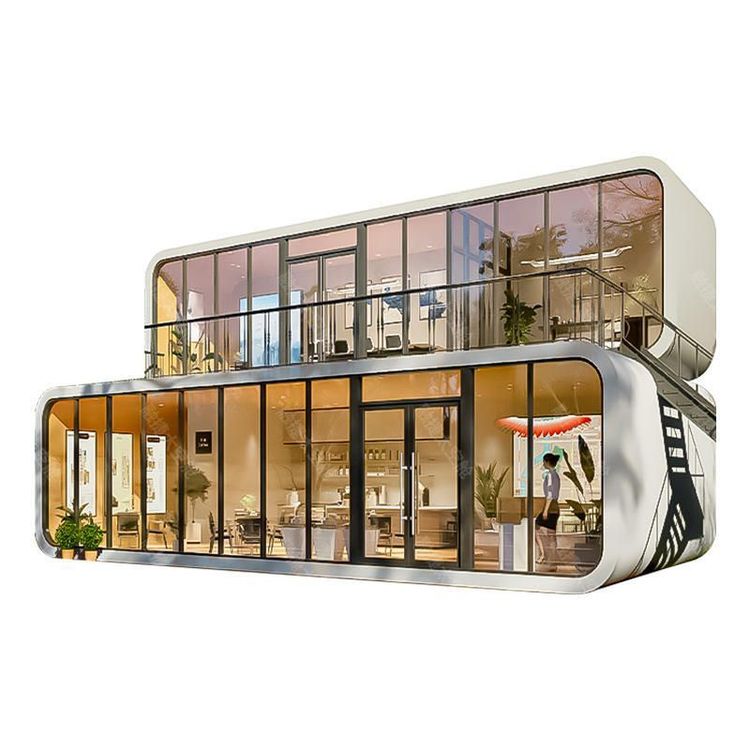
Some black container dormitories transcend traditional uses, becoming creative spaces that combine living and social functions. For instance, a four-story black container building, assembled from 16 standard containers, adopts an open layout, blending the textures of ancient wood and black steel. It not only meets living comfort requirements but also extends into diverse functions such as cafes and activity spaces. This design maximizes space utilization through modular combinations while reducing construction costs, making it suitable for rural homestays, vacation villas, and other scenarios, showcasing the flexibility and artistic potential of container architecture.