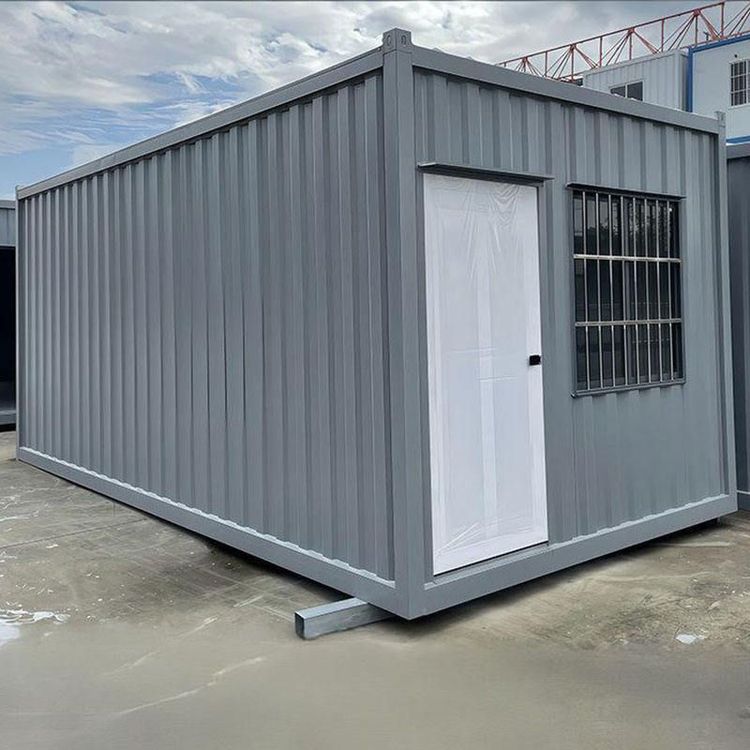
Biodegradable Environmental Mobile Toilet
The biodegradable environmental mobile toilet is an eco-friendly mobile toilet that utilizes microbial degradation technology to treat excreta, achieving water conservation, pollution-free operation, and resource utilization. Its technical principles and core features are as follows:
1. Technical Principles and Classification
This toilet decomposes feces into carbon dioxide, water vapor, and a small amount of organic fertilizer through specific microbial communities (such as marine microorganisms and anaerobic ammonium oxidation bacteria), enabling waterless and odorless treatment. Based on the treatment method, it is mainly classified into two types:
- Waterless Flush Types:
- Waterless Packaging Type: Uses biodegradable films to directly package excreta, preventing pollution;
- Waterless Biological Treatment for Fertilizer Production Type: Converts excreta into organic fertilizer through biochemical reactors, achieving resource utilization;
- Waterless Flushable Type: Uses specialized agents to treat urine as a flushing liquid, reducing water consumption.
- Water-Saving Types:
- Foam Sealing Type: Covers excreta with foam, achieving a water-saving rate of over 90%;
- Vacuum Suction Type: Utilizes vacuum negative pressure technology, consuming only 0.5-1 liters of water per use, significantly lower than traditional toilets.
2. Structure and Durability
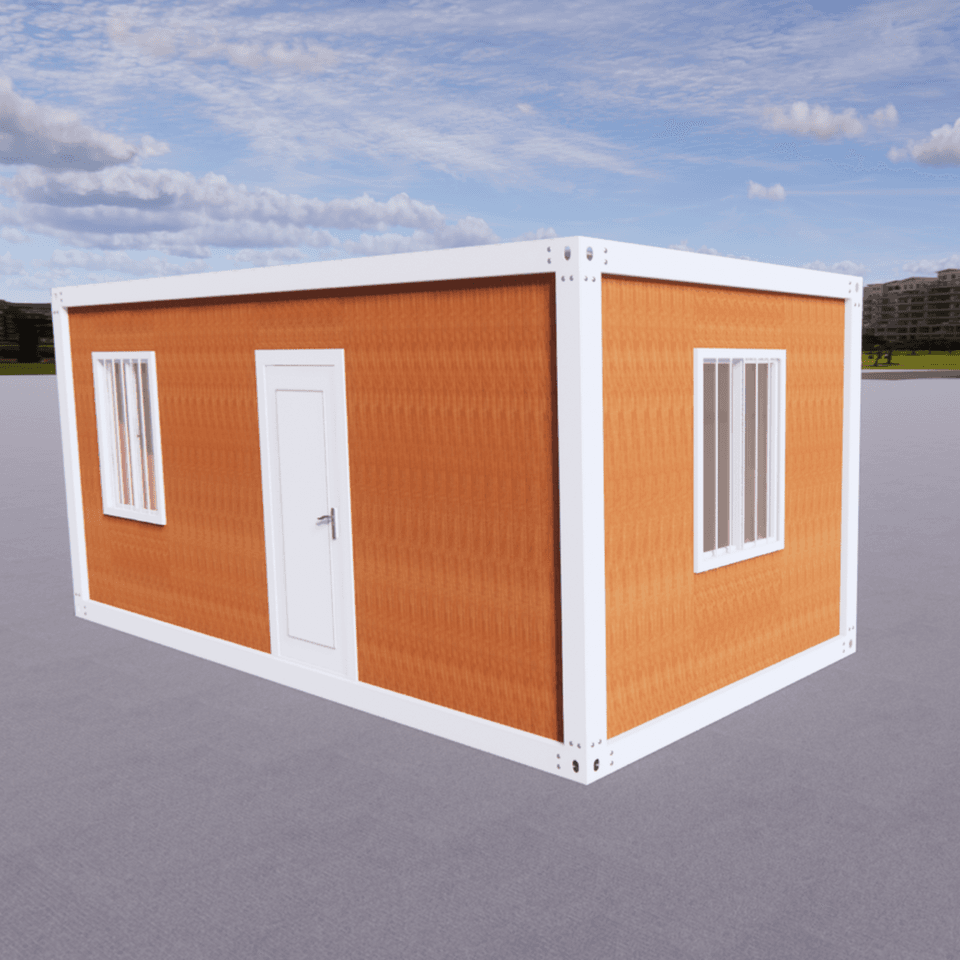
The toilet body is mostly constructed from durable materials such as steel-frame cement composite structures or titanium-magnesium alloy doors, offering excellent thermal insulation. Its service life can exceed 20 years and it can operate in extreme low-temperature environments as low as -28°C. Some high-end models are equipped with intelligent temperature control systems (operating temperatures exceeding 60°C, with sterilization functions), microcomputer control systems (automatically triggering lighting, ventilation, etc.), and 5G IoT remote monitoring capabilities, enhancing user convenience and management efficiency.
3. Application Scenarios and Advantages
Suitable for scenic spots, high-altitude and water-scarce regions, locations without sewage discharge permits, and public places. For example, 13 venues at the 2022 Beijing Winter Olympics adopted this technology, with construction costs per toilet seat being 100,000 yuan lower than traditional water toilets; the carbon-neutral public toilets deployed in Chengdu in 2024 save over 3,000 tons of water annually and have annual maintenance costs of approximately 15,000 yuan, significantly reducing operational costs. Its core advantages include:
- Water Conservation and Environmental Protection: Waterless or low-water consumption design reduces water waste;
- Pollution-Free Discharge: Thorough microbial degradation prevents sewage discharge issues associated with traditional toilets;
- Resource Utilization: Generates organic fertilizer, enabling waste recycling;
- Strong Adaptability: Resistant to low temperatures and easy to deploy, meeting diverse environmental needs.