
Berlin Marathon Portable Toilets
Although the specific configuration of portable toilets for the Berlin Marathon has not been disclosed, they generally adhere to the common standards for portable toilets in marathon events, optimized based on the event's scale, course characteristics, and organizer requirements.
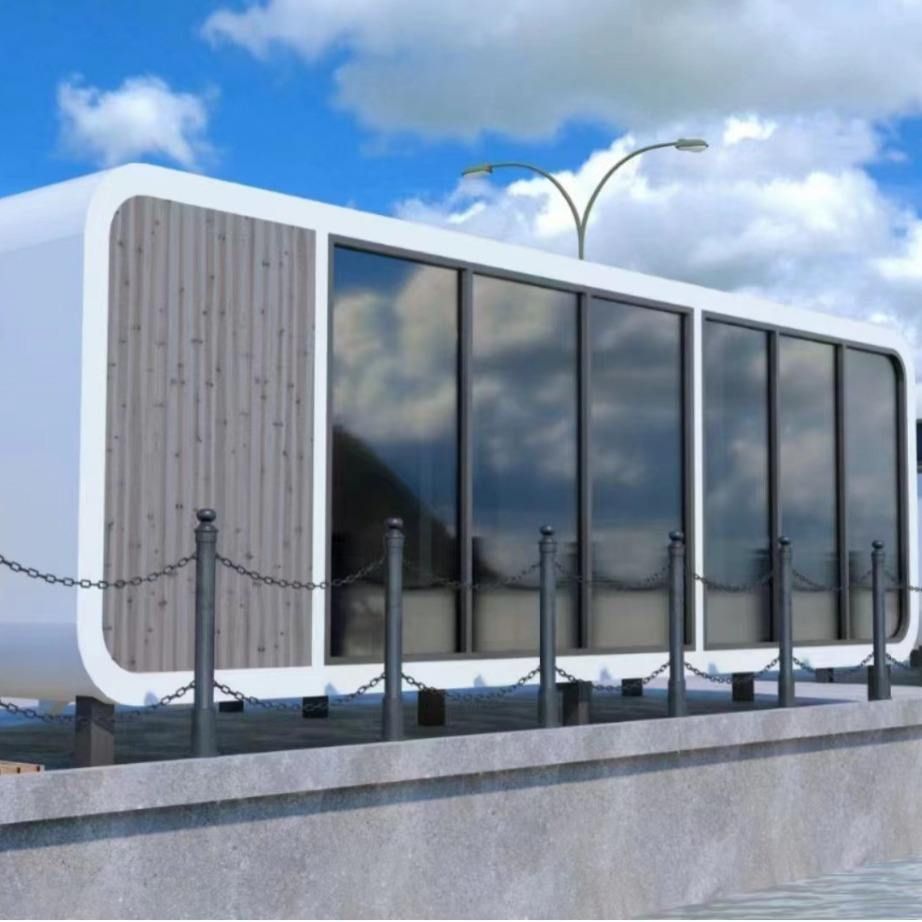
Technical Features and Functional Implementation
Portable toilets in marathon events represent an extension of modern public health systems into special scenarios. Their core construction often employs lightweight materials, integrating storage tanks, ventilation systems, and sanitary consumables. Functionality relies on an independent closed-loop system, encompassing waste collection, treatment, and final disposal or reuse of products. For instance, solid-liquid separation technology divides waste into liquid and solid components: the liquid may undergo multi-stage treatment to meet non-potable water reuse standards for course cleaning or green irrigation; the solid is converted into soil amendments through composting, achieving resource recycling. Additionally, portable toilets widely utilize waterless or micro-water technologies, such as biodegradable film encapsulation of waste and foam sealing for odor control, significantly reducing cleaning water demand and aligning with environmental protection requirements.
Public Health and Pathogen Control
As dynamic infectious disease control nodes, portable toilets reduce pathogen transmission risks through multi-layered barrier designs. Physical barriers include sealed storage tanks and disposable seat covers to prevent direct contact between waste and the environment; chemical barriers involve disinfectants in storage tanks to kill pathogens; management barriers ensure hygiene through usage frequency monitoring and timed waste removal. For example, organizers may strategically place toilets based on participant flow density and movement paths to avoid overcrowding or prolonged intervals between uses, thereby reducing the likelihood of cross-infection.
Technological Innovation and User Experience
In recent years, technological innovations in portable toilets have focused on balancing treatment efficiency and user experience. For instance, introducing biological enzyme preparations accelerates waste decomposition, shortening storage tank cleaning cycles; adopting solar-powered ventilation fans reduces energy consumption while maintaining fresh interior air; modular component designs facilitate rapid assembly and disinfection, meeting the high timeliness requirements of marathon events. These technologies not only enhance the functionality of portable toilets but also improve the experience for participants.
Adaptability to the Berlin Marathon
As one of the six World Marathon Majors, the Berlin Marathon's portable toilet services likely follow the aforementioned common standards but require further optimization based on the event's scale (e.g., participant numbers, course length), course characteristics (e.g., distribution of urban roads and park areas), and organizer requirements (e.g., environmental goals, budget constraints). For example, higher toilet density may be implemented in high-traffic areas, or more efficient solid-liquid separation technologies may be adopted to cope with high usage frequencies.



