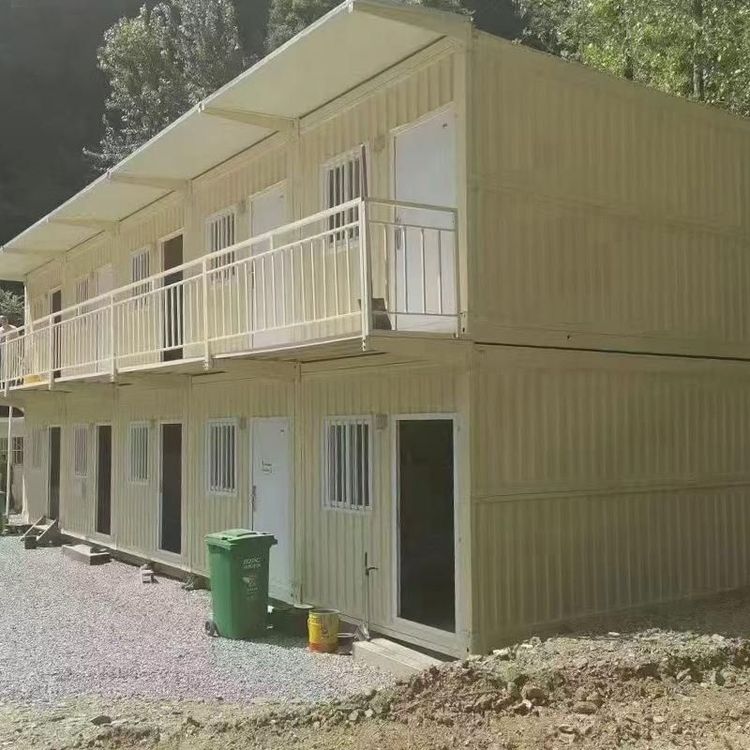
Benxi Mobile Toilet Inspection
The inspection of mobile toilets in Benxi mainly covers three core dimensions: structural safety, hygiene indicators, and facility functionality.
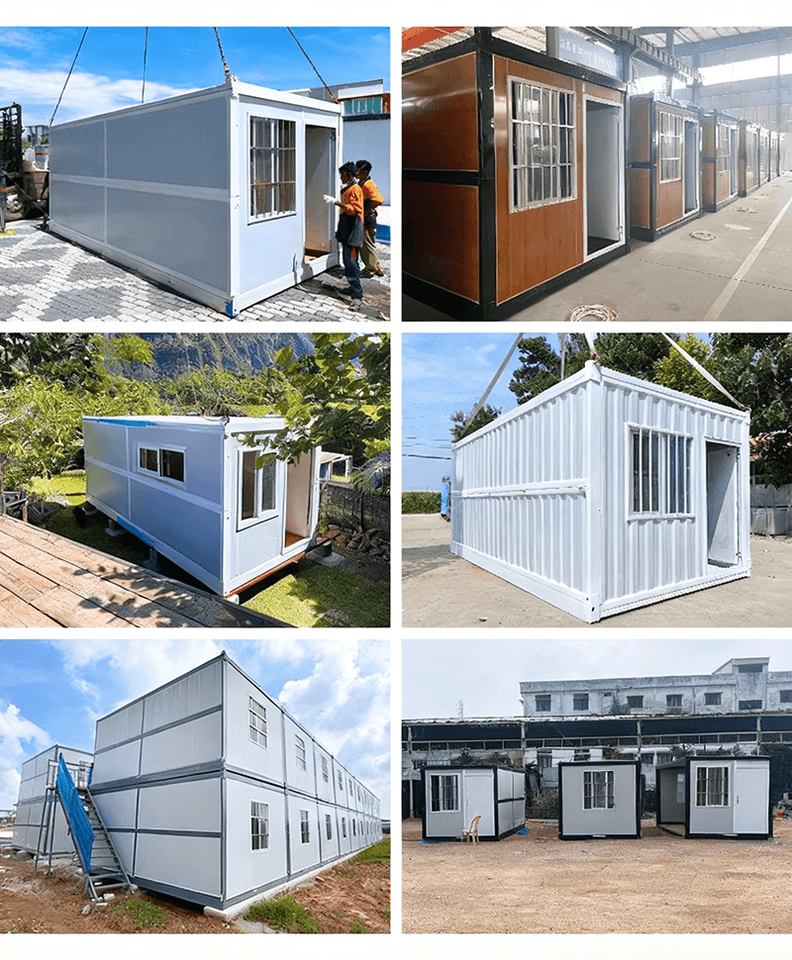
Structural safety inspection is a fundamental aspect. Inspectors will focus on evaluating the stability of the toilet's box frame, measuring its load-bearing capacity and degree of deformation using professional tools to ensure it does not collapse or deform under normal use or extreme weather conditions. Simultaneously, they will assess wind and earthquake resistance by simulating different wind levels and seismic wave impacts to verify the structural stability. Floor slip resistance is also a key indicator, requiring testing with friction coefficient measurement devices to ensure sufficient friction is provided even when the floor is wet, preventing users from slipping. Additionally, the reliability of door and window locks cannot be overlooked; inspectors need to check the durability, smoothness of operation, and anti-theft performance of the locks to safeguard user privacy and property security.
Hygiene indicator inspection is directly related to user experience and public health safety. Air quality monitoring is one of the core components, necessitating the use of professional gas detectors to conduct real-time sampling and analysis of the concentrations of odor substances such as ammonia and hydrogen sulfide to ensure compliance with national hygiene standards. Surface microbiological testing involves using sampling swabs to detect indicators such as total bacterial count and coliform bacteria in high-frequency contact areas like toilets, sinks, and door handles, assessing cleanliness and hygiene risks. Cleanliness evaluation also requires tools like fluorescent detection agents to quantify the distribution of residual stains or cleaning agents, providing data support for subsequent cleaning and maintenance.
Facility functionality inspection focuses on the actual operational effectiveness of the equipment. The flushing system needs to be tested for water pressure stability and water-saving efficiency to ensure a stable flushing effect under different water pressure conditions while complying with water-saving standards. Sewage pipe patency inspection involves simulating the sewage discharge process to check for blockages or leaks in the pipes. Lighting and ventilation equipment must meet national standards to ensure adequate lighting and air circulation inside the toilet. Inspections of barrier-free facilities such as handrails and ramps need to verify that their installation heights and slopes comply with ergonomic requirements, facilitating use by special populations. For new types of mobile toilets, the operational status of solar power systems and smart sensing devices also needs to be inspected to ensure stable power supply and accurate sensing.