Bengbu Outdoor Mobile Toilet Design
The design of Bengbu outdoor mobile toilets focuses on scene adaptability and functional practicality, while also taking into account environmental protection and convenience to meet diverse outdoor needs.
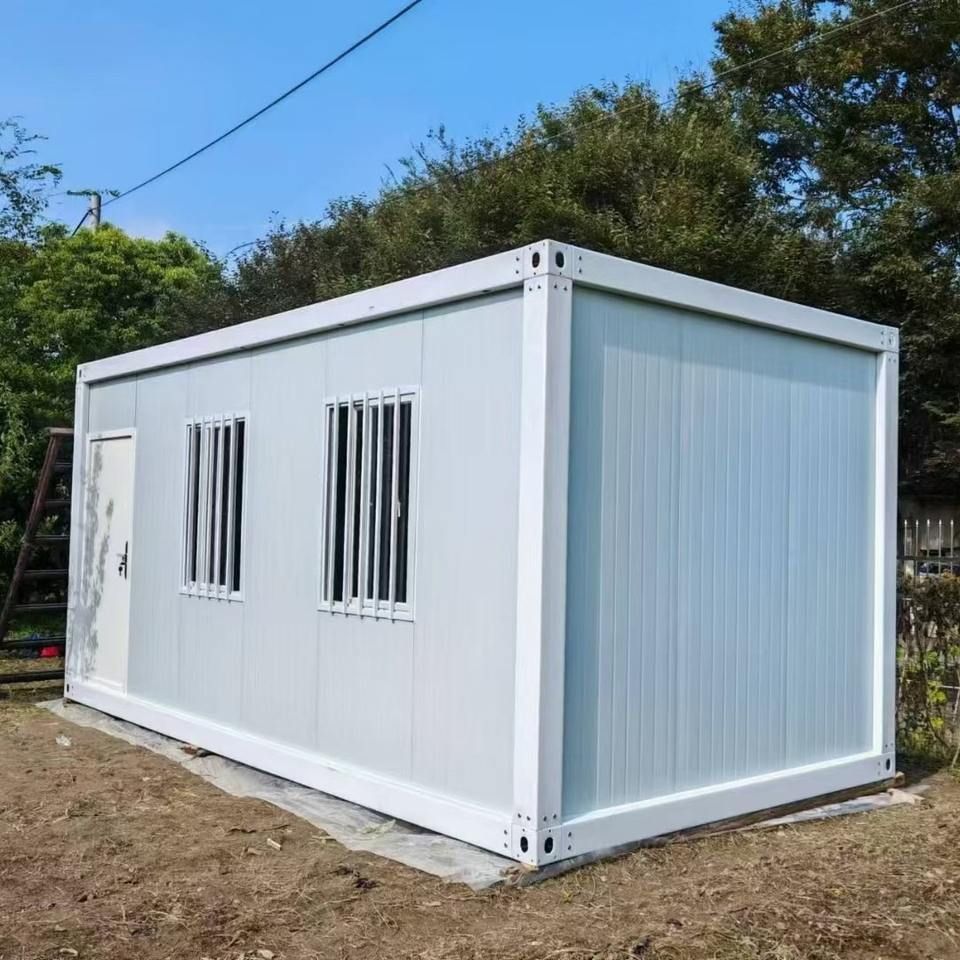
1. Strong Scene Adaptability Bengbu outdoor mobile toilets are specifically designed for outdoor activities, construction sites, temporary gatherings, municipal engineering projects, parks, scenic spots, and other scenarios, covering a wide range of needs from short-term events to long-term construction projects. For example, single-unit models are suitable for scattered layouts at construction sites or small-scale events, while connected models are ideal for high-traffic scenarios such as sports events and exhibitions, enabling flexible deployment through modular combinations.
2. Durable Structure and Materials High-quality materials such as color-coated steel plates, metal carved plates, anti-corrosion wood, and aluminum-plastic plates are used to ensure a sturdy structure and strong weather resistance. The materials are lightweight yet impact-resistant, facilitating easy disassembly, transportation, and layout adjustments according to site conditions, such as sloped terrain and narrow spaces. Some models are equipped with foldable frames to further reduce transportation costs.
3. Humanized Internal Configuration
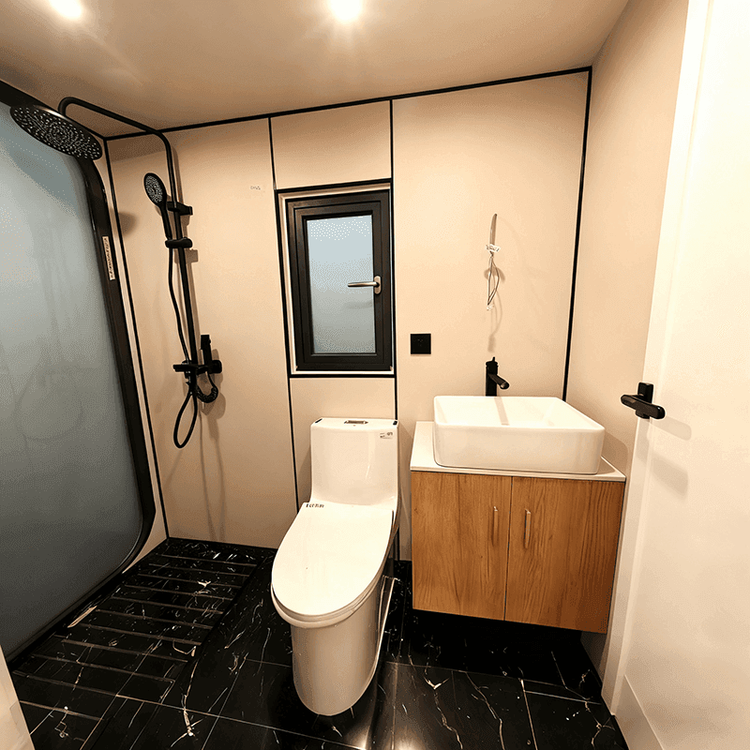
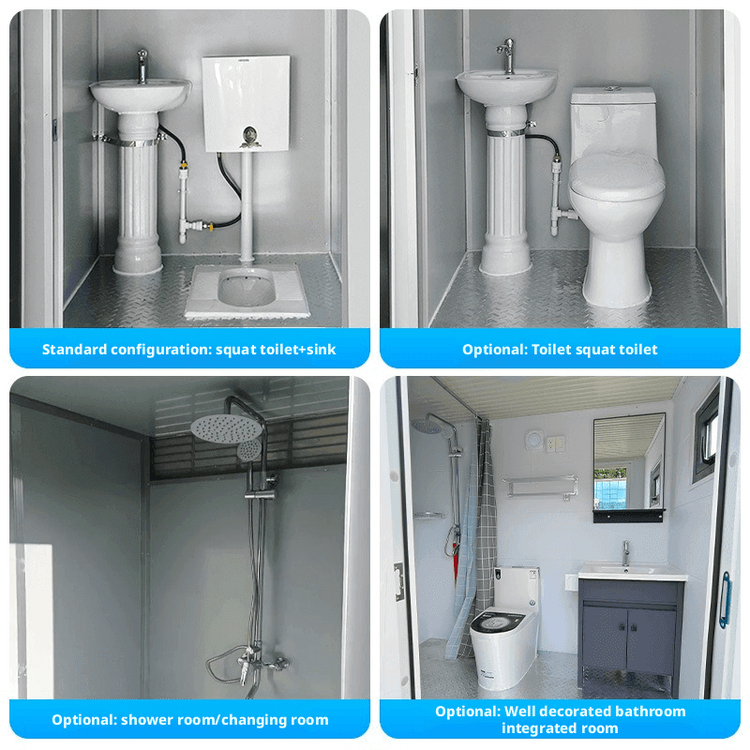
- Basic Functions: Equipped with water-saving toilets, independent flushing systems, odor-proof floor drains, and ventilation devices to minimize odor diffusion; sinks feature sensor or foot-pedal designs to avoid cross-contact.
- Space Optimization: The interiors are spacious and equipped with handrails, storage shelves, and other auxiliary facilities to facilitate use by the elderly, children, and people with disabilities; some high-end models include baby changing stations and barrier-free access to enhance inclusivity.
- Environmental Design: Water consumption is reduced through microbial decomposition and foaming technologies, with sewage disposal methods supporting water flushing, packaging, and dry-wet separation, making them suitable for areas without sewer systems.
4. Flexible Sewage Disposal Methods Sewage disposal plans can be selected based on the usage scenario:
- Water Flushing: Suitable for scenarios with a water source and high-frequency use, such as parks and scenic spots;
- Packaging: Collects waste in biodegradable bags without the need for sewage pipes, making it suitable for temporary gatherings or ecologically sensitive areas;
- Microbial Decomposition: Utilizes bacterial colonies to decompose organic matter, achieving zero emissions and is suitable for long-term construction projects or remote areas.
5. Customizable Appearance and Functions Supports customization of appearance colors and logos, allowing integration with event themes or corporate branding elements; internal configurations can be adjusted as needed, such as adding air conditioning and heating systems to cope with extreme weather conditions, or incorporating advertising spaces and charging ports as value-added functions.
6. Outstanding Convenience
- Ready-to-Use: Equipped with an independent waste storage system, eliminating the need for connection to a septic tank; after arrival at the site, simple commissioning is all that is required to put it into use, shortening the construction period.
- Smart Management: Some models are equipped with odor control devices and intelligent monitoring systems to provide real-time feedback on usage status, facilitating maintenance and management.