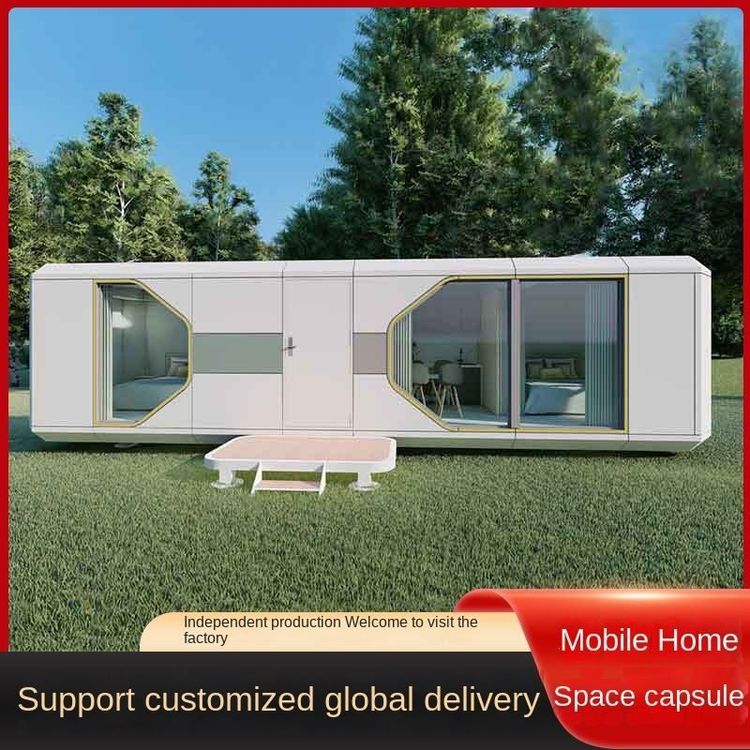
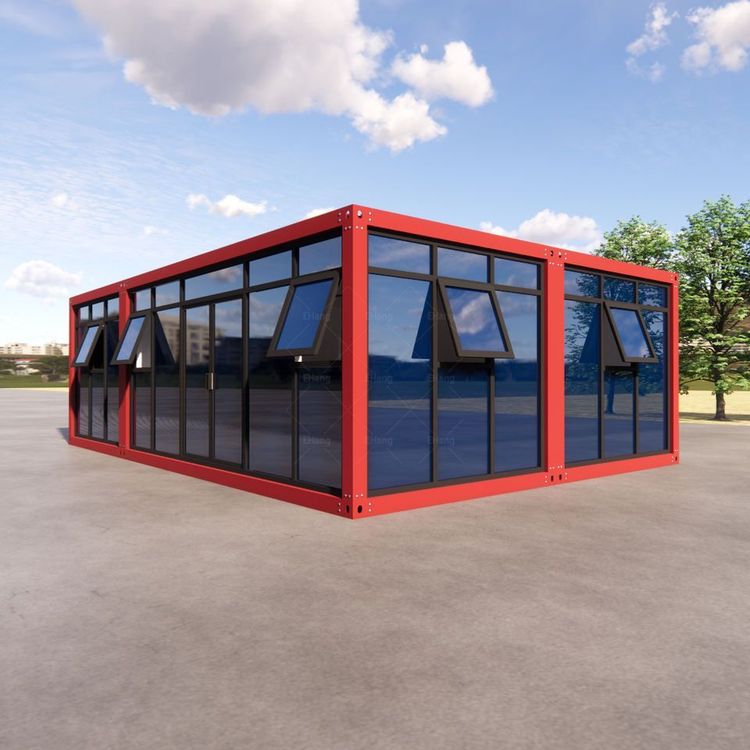
Benefits of Container Houses
Container houses offer clear advantages: fast build, strong cost efficiency, flexible mobility, durable structure, eco-energy performance, versatility, and standardized controllable quality.

Fast construction is a core trait. Prefabricated modular design means components are factory-standardized then assembled on site, typically cutting build time 50%-70% versus conventional construction. For example, a 200 m² container house can complete the main structure in 3-7 days—suited to post-disaster rebuilds, temporary clinics, and other urgent needs.
High cost efficiency shows across the full life cycle. Material and construction costs are 30%-50% lower than traditional buildings, with markedly lower maintenance. Modular structure cuts on-site labor; containers themselves are reusable, so long-term value is strong—especially for budget-limited projects.
Flexibility and mobility are distinctive strengths. Units can be lifted, dismantled, recombined, and transported with strong adaptability. Site dormitories can move with project progress; exhibition layouts can change quickly for events—irreplaceable where frequent relocation is needed.
Strong, durable structure comes from original container design standards. High-strength steel withstands extreme weather (strong wind, heavy rain) and impacts; seismic performance exceeds traditional brick-concrete. With corrosion protection and regular maintenance, service life reaches 15-20 years, far beyond ordinary temporary buildings.
Eco-energy performance aligns with sustainability. Recyclability can reach 90%, sharply cutting construction waste; insulation layers, double glazing, and natural ventilation can cut energy use 20%-30% versus traditional buildings. Some projects add solar panels for energy self-sufficiency.
Versatility meets diverse needs. Interiors can be customized as offices, shops, homes, clinics, and more, and stacked into multi-story buildings. Modular container designs used for rapid fangcang hospitals during the pandemic showed emergency response capability.
Standardization and quality control support safety. Production follows international standards (e.g., ISO 1496); dimensional accuracy and strength are strictly tested, reducing on-site error. Modular assembly also lowers human error risk for more stable overall quality.