
Beijing Waterless Mobile Ecological Toilet
The Beijing waterless mobile ecological toilet is an environmentally friendly sanitation facility that employs feces-urine separation technology to achieve resource recycling without relying on the sewer network.
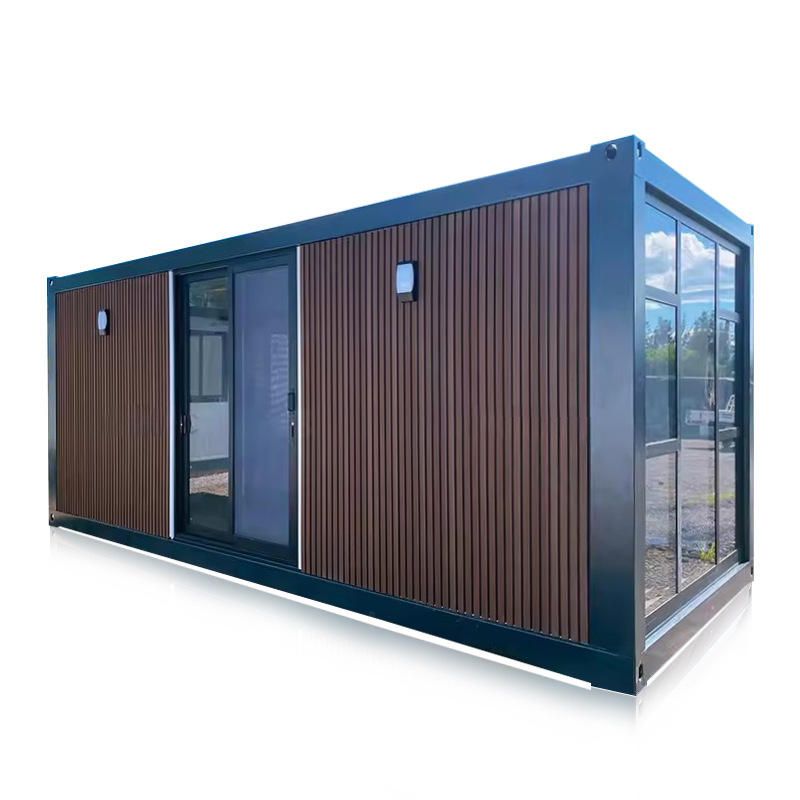
Technical Principles and Treatment Methods
This toilet is equipped with an internal separation device that utilizes a sensing system to automatically detect the presence of people and activate the lighting, ventilation, and separation systems. Urine and feces are collected separately into different containers. After storage and fermentation, the nitrogen, phosphorus, and potassium in the urine are transformed into forms that can be directly absorbed by plants. The solid portion undergoes aerobic composting treatment by adding materials such as wood chips and is converted into organic fertilizer. The high temperatures generated during the composting process inactivate most pathogens. A complete treatment cycle usually takes several months to ensure that the final product meets hygiene and safety standards.
Significant Environmental Benefits
Using the number of daily users as a standard unit, each use of a waterless toilet saves approximately 6 - 8 liters of tap water and avoids the production of a corresponding amount of sewage. After testing to ensure compliance with relevant standards, the compost output can be used for soil improvement for non-edible plants, achieving resource recycling and reducing environmental pollution.
Convenience and Adaptability
The overall modular design allows for rapid assembly and disassembly, making it suitable for various scenarios such as parks and construction sites. Some models are equipped with solar panels to provide energy for lighting and ventilation equipment, enabling off-grid operation. The internal ventilation system operates continuously through natural convection or small fans, effectively controlling odors.
Practical Limitations
Users need to change their toilet habits and adapt to the separated usage method. The compost products require a standardized collection, transportation, and testing system for support. Microbial decomposition efficiency varies under different climatic conditions. In northern regions, low winter temperatures may affect microbial activity, so some models are equipped with insulation layers or auxiliary heating devices. In dry climates, ventilation and humidity control parameters need to be appropriately adjusted.
Significance for Urban Infrastructure
By not relying on the sewer network, it reduces the pressure on municipal pipeline construction. It is particularly suitable for areas without sewer coverage, temporary event venues, and ecologically sensitive zones, expanding the service range of sanitation facilities. It transforms sanitation facilities from the traditional linear model of 'collection - transportation - treatment' to a circular model of 'on-site treatment - resource utilization'.



