
Beijing Vehicle-mounted Mobile Toilet
The Beijing vehicle-mounted mobile toilet is a flexible and convenient sanitation facility that can be rapidly deployed, suitable for various temporary or special scenarios' sanitation needs.
Core Components and Functions
The core functional units of the Beijing vehicle-mounted mobile toilet consist of a sewage storage system, a water circulation device, and a spatial framework.
- Sewage Storage System: It employs a sealed sewage storage tank. Biological or chemical degradants can be added inside to accelerate the decomposition of solid waste and reduce odors, ensuring environmental hygiene.
- Water Circulation Device: There are two modes: direct-connection mode (connected to municipal water supply and sewage networks) and independent circulation mode (with built-in clean water and wastewater tanks), adapting to different scenario requirements.
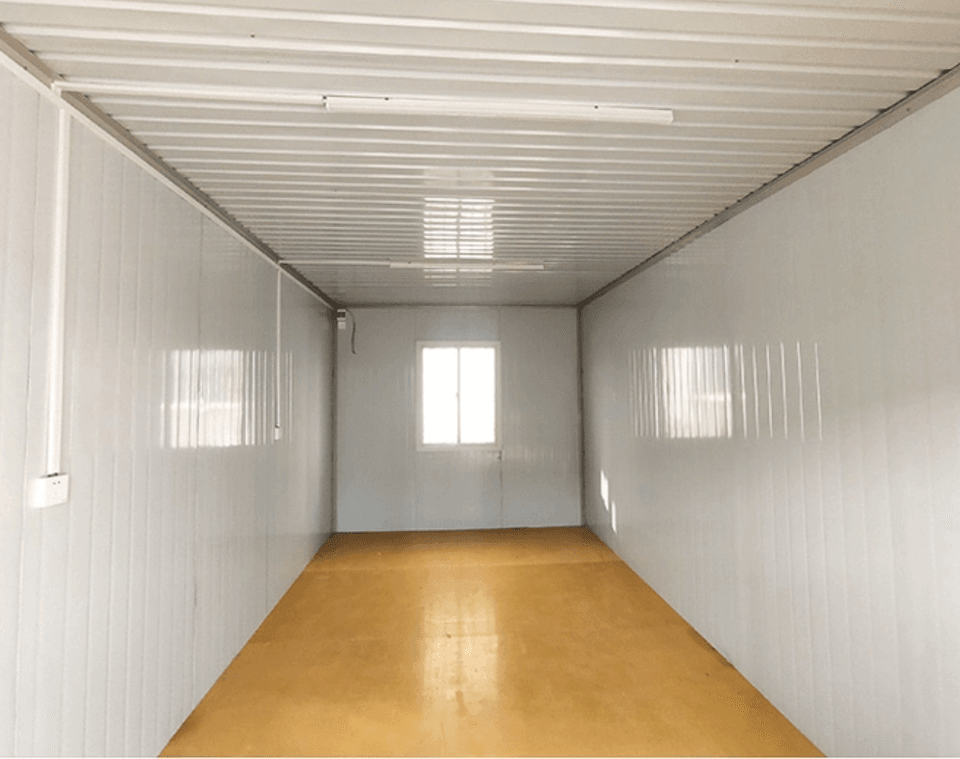
- Spatial Framework: Lightweight alloy materials are commonly used, providing windproof, rainproof, and heat-insulating properties. Some models achieve rapid assembly and expansion through modular design, enhancing usage flexibility.
Convenience and Adaptability
Its core advantages lie in the flexibility of spatial transformation and adaptability to special terrains.
- Rapid Deployment: Without relying on underground sewage networks or specialized building foundations, it can complete location relocation and functional activation within a few hours via towing vehicles. It is suitable for temporary population gathering areas such as large-scale cultural performances, sports events, and tourist distribution points, with dynamic adjustment of placement points based on pedestrian density.
- Independent Operation Capability: In places lacking infrastructure, such as mountain hiking trail supply stations, river treatment project sites, and geological exploration field operation areas, it can maintain operation relying on independent sewage storage and water supply units. Some high-end models integrate solar power panels to provide energy for lighting and ventilation systems, reducing dependence on external power grids.
Typical Application Scenarios
- Large-scale Public Event Management: During event preparation, organizers can accurately calculate the required quantity and placement points based on estimated pedestrian flow and event duration. During the event, they can dispatch sewage removal vehicles through real-time monitoring data to ensure continuous equipment availability. After the event, all units can be quickly withdrawn to restore the site to its original state.
- Emergency Public Health Needs: In scenarios such as natural disaster temporary settlement areas, epidemic emergency control points, and large-scale vaccination stations, it can serve as a temporary supplementary solution, providing transitional services before fixed facilities are repaired or newly built, maintaining basic community hygiene order, and reducing cross-infection risks.
Intelligent Management
Some vehicle-mounted mobile toilets have introduced intelligent elements. Sensors are used to monitor data such as sewage tank capacity, clean water tank water level, and equipment usage frequency in real-time, and transmit the information to a central dispatch platform. Based on data analysis, the platform predicts sewage removal and water replenishment time points, generates optimized inspection routes, improves operation and maintenance efficiency, and reduces resource waste.
Manufacturers
Beijing Tianyu Meijie Environmental Protection Technology Co., Ltd. and Beijing Aibei Space Technology Co., Ltd. are the main manufacturers. The former provides design, production, sales, and leasing services, while the latter's team members have operational and maintenance experience in national-level large-scale events and have participated in the design, research and development, and on-site operation and maintenance of mobile toilets for projects such as the 2008 Beijing Olympics.



