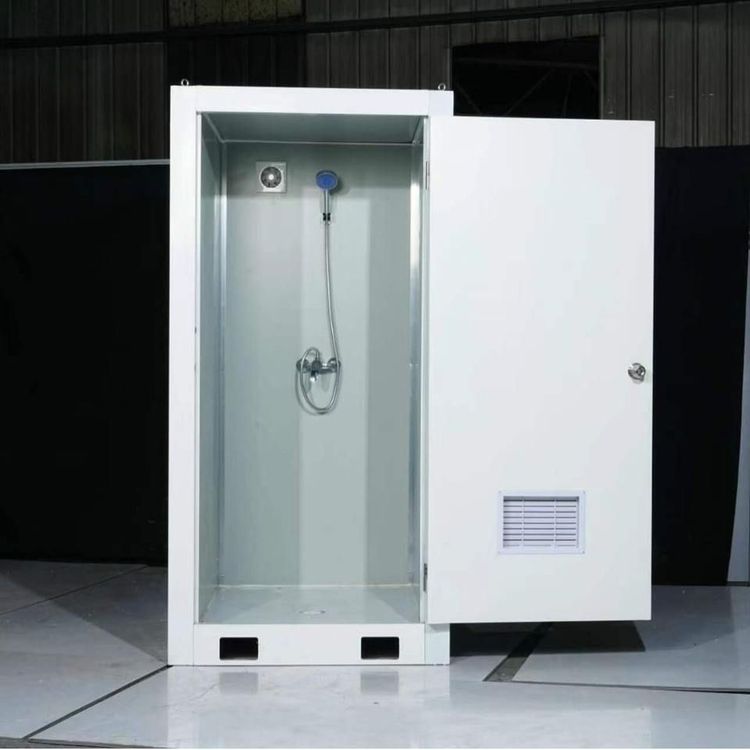
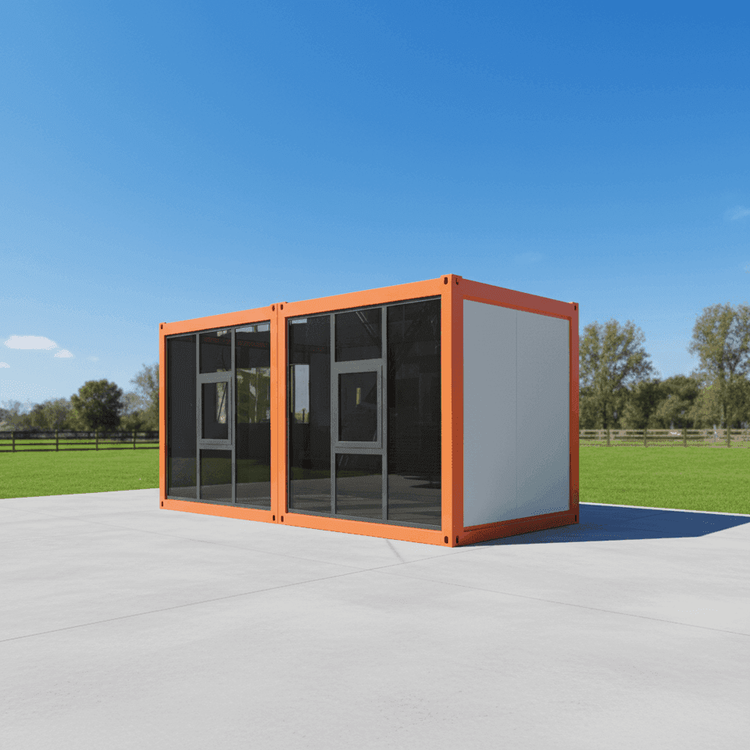
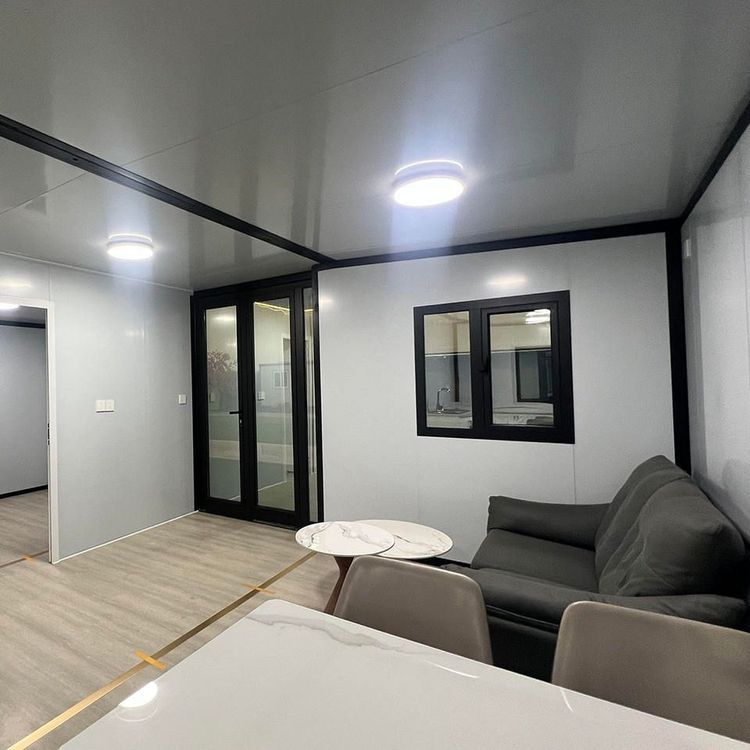
Beijing-Tianjin-Hebei Mobile Toilets
Mobile toilets in the Beijing-Tianjin-Hebei region exhibit diverse development in terms of technology, scenario adaptation, and service models, forming a comprehensive solution that covers multi-field demands.
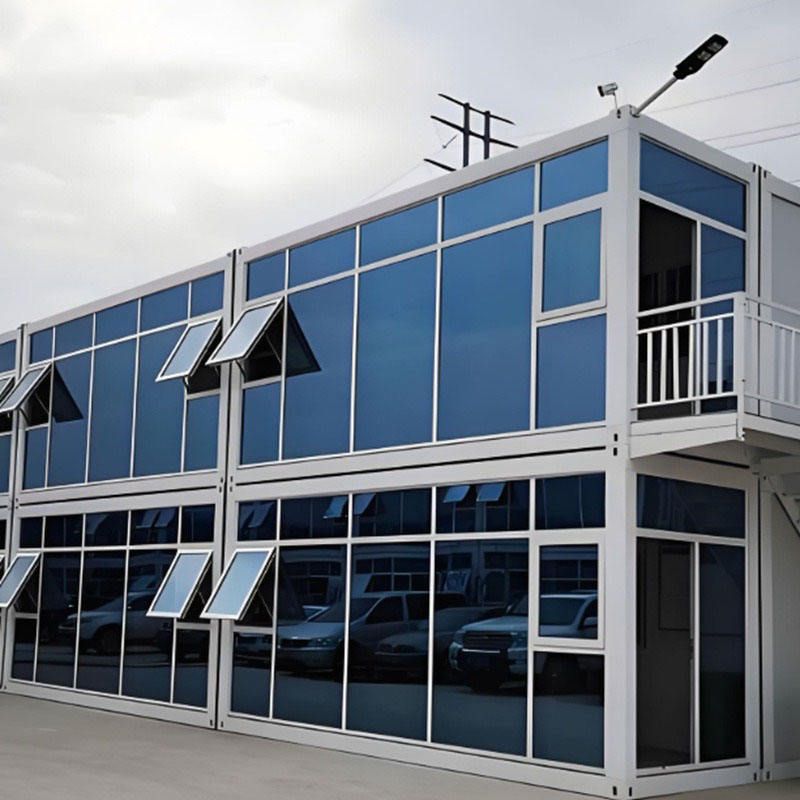
I. Core Technological Breakthroughs and Product Types
Technological innovation in mobile toilets in the Beijing-Tianjin-Hebei region focuses on water conservation, environmental protection, and intelligence. Beijing Aibei Space Technology Co., Ltd. has developed micro-flush toilet technology (0.75L/person·time), foam sealing technology (≤30ml/person), and vacuum toilet technology, significantly reducing water consumption, especially suitable for water-scarce areas. Its packaged toilets use biodegradable film to enclose feces, achieving pollution-free treatment. Tianjin Dayuan Technology introduces modular designs, including bionic landscape integration cabins (suitable for cultural block renovations) and ecological circulation treatment units (for water source protection areas), solving non-standard assembly problems through customized solutions at the source. Langfang Factory has introduced German fully automatic rotational molding production lines, producing large-sized cabins that can accommodate 300 people per day, and has developed a “quick-locking mechanism” to simplify component replacement. High-end versions are equipped with air conditioning and voice announcement systems to enhance user experience.
II. Regional Characteristics and Scenario Adaptation
The upgrading of Beijing's cultural and tourism industry drives demand for high-standard mobile toilets. Scenic spots such as Miyun and Yanqing have adopted prefabricated environmentally friendly bathrooms to replace traditional brick-and-mortar structures, shortening construction periods and enhancing environmental integration. Tianjin Dayuan Technology has optimized anti-corrosion coating processes for regions with large temperature differences between day and night, extending equipment lifespan. As a transportation hub, Langfang has deployed vacuum suction technology in its waterless mobile toilets at train and high-speed rail stations, combined with a “shared public toilet” model (WeChat mini-program reservations, QR code door opening), increasing utilization by over 50%. The rapid assembly capability during the Spring Festival travel rush effectively alleviates passenger flow pressure.
III. Service Models and Industry Ecosystem
Suppliers such as Beijing Kangjie Environmental Protection dynamically configure equipment through big data analysis, for example, adjusting toilet numbers based on traffic volume at Beijing-Tianjin expressway service areas. Full-process services cover installation, maintenance, and waste treatment, with regular cleaning and troubleshooting ensuring stable equipment operation. In terms of environmental protection, the Langfang factory achieves 100% recycling of offcuts, and some equipment integrates solar lighting and air detection functions, reducing operational costs. Typical cases include the Aibei Space team providing operation and maintenance support for the 2008 Beijing Olympics and the efficient deployment of Langfang's waterless toilets in extreme passenger flow scenarios.
The development of mobile toilets in the Beijing-Tianjin-Hebei region reflects the characteristics of technological iteration, scenario segmentation, and regional collaboration, providing a low-carbon, recyclable solution for the flexibility of public infrastructure.