
Beijing Sunroom Prices: Pros and Cons
How much do Beijing sunrooms cost? Beijing sunrooms, also called glass rooms, are known internationally as winter gardens. These sun-filled spaces are non-traditional buildings made of glass and metal frames, designed to enjoy sunlight and connect with nature. Sunrooms are favored by style-conscious homeowners in China and abroad who seek a closer relationship with the outdoors.
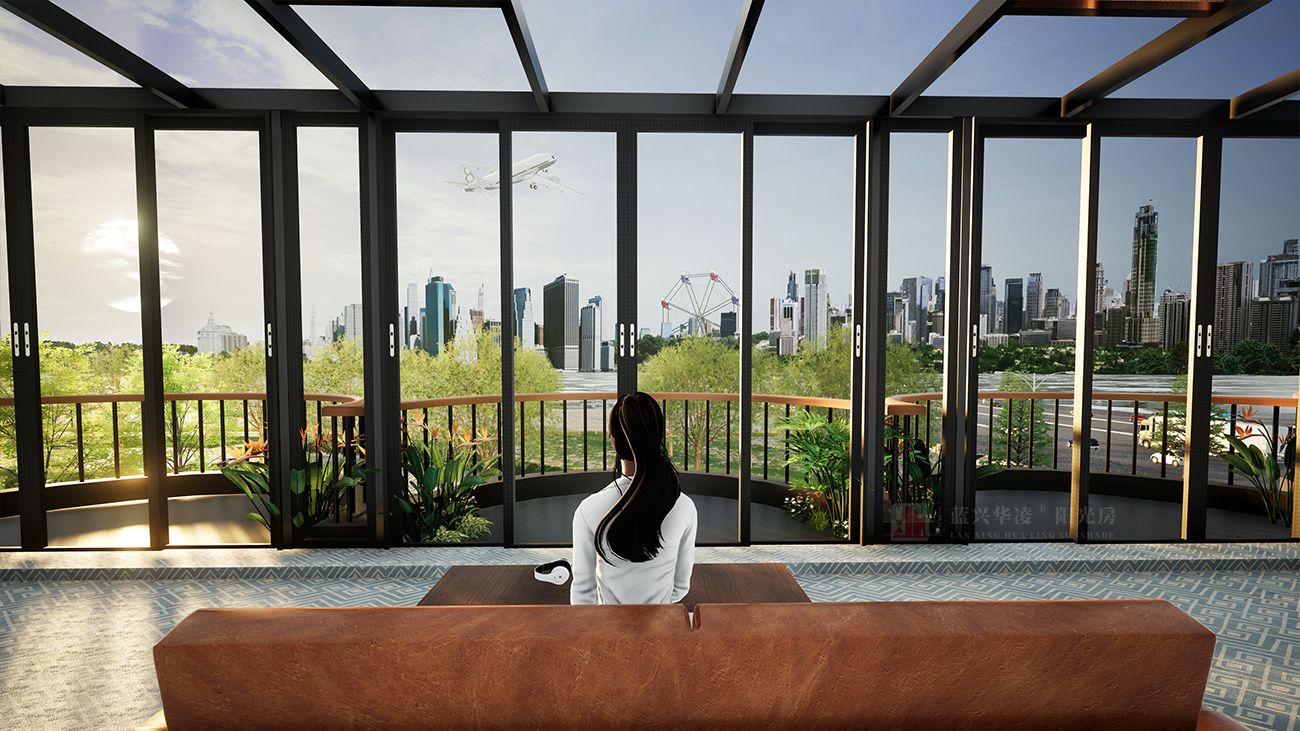
How much do Beijing sunrooms cost? What are the pros and cons of Beijing sunrooms?
- Tempered glass roof:
(Pros) Glass-roof sunrooms offer the best transparency.
(Cons) High light transmission means weaker thermal insulation and heat retention.
- Color-coated steel roof sunroom:
(Pros) Color-coated steel panels provide better insulation and heat retention.
(Cons) Panels do not transmit light, and color options are limited.
- Deck tile roof sunroom:
(Pros) Multi-layer roofs built with deck tiles, insulation boards, and other materials offer strong thermal performance, varied colors, and an attractive appearance.
(Cons) Light transmission is limited and cost is relatively high. Skylights and large perimeter windows improve daylighting and ventilation.
- Polycarbonate panel sunroom:
(Pros) Frames use thermally broken aluminum filled with hollow fiberglass panels, offering good light transmission and insulation.
How much do Beijing sunrooms cost? What roof materials are used for Beijing sunrooms?
Common roof materials include tempered glass, polycarbonate panels, color-coated steel, deck tiles, and thermally broken aluminum. Traditional roofs are mostly tempered glass; second-generation insulated sunrooms and third-generation thermally broken aluminum sunrooms have since entered the market. Updated materials have greatly reduced overheating in glass-roof sunrooms during summer.
The latest dimmable sunroom technology has appeared in the U.S. market and was successfully applied at the plant greenhouse sunroom laboratory at Kent State University. When power is off, the glass becomes opaque; when powered on, it becomes transparent—protecting privacy while adjusting indoor sunlight levels.
Adjustable sunrooms use hollow dimmable glass integrated into exterior walls and ceilings. A switch or remote control adjusts transparency and opacity for privacy while effectively regulating sunlight intensity—highly convenient.
How much do Beijing sunrooms cost? What surface materials are used for sunrooms?
Surface materials mainly include uPVC doors and windows, thermally broken aluminum doors and windows, aluminum-clad wood doors and windows, or color-coated steel panels.
Perimeter materials may include uPVC doors and windows, thermally broken aluminum doors and windows, aluminum composite doors and windows, or color-coated steel wall panels. Perimeter glazing may be standard insulated glass, tempered insulated glass, or premium dimmable glass. With uPVC or thermally broken aluminum profiles as the frame, steel support columns can be added when spans exceed 3 meters. Fluorocarbon-coated surfaces offer better structural stability than standard aluminum. Remember: windows that open to the outside allow fresh air to flow through the sunroom.



