Back to blog
Article
Beijing Simple Mobile Toilet Installation
Admin October 02, 2026
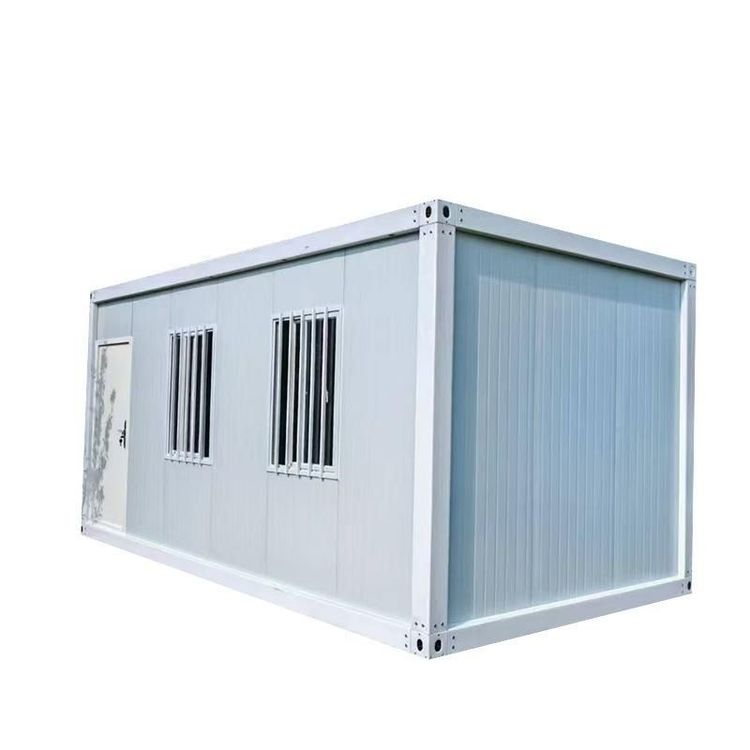
The installation of simple mobile toilets in Beijing requires a rigorous process, covering pre-installation preparation, transportation, on-site installation, and post-installation wrap-up work. The specific steps are as follows:
I. Pre-installation Preparation
- Model Selection: Comprehensively evaluate the usage scenario (such as scenic spots, construction sites, temporary events, etc.), pedestrian traffic volume, and budget to select an appropriate mobile toilet model. For example, in high-traffic areas, flush-type or large-capacity toilets are required, while basic dry toilets can be considered when the budget is limited.
- Site Confirmation: Inspect the ground flatness, load-bearing capacity, and surrounding environment of the installation site in advance. If the ground is soft, it should be compacted in advance or a bedding layer (such as concrete or gravel) should be laid to prevent settlement after installation.
- Transportation Planning: Select transportation vehicles (flatbed trucks or trailers) according to the size of the toilets, plan the transportation route, check the road width, height and weight limits, and turning radius to ensure that the vehicles can arrive safely. If the journey is long, avoid adverse weather conditions such as rain, snow, and strong winds.
II. Transportation Process
- Fixed Packaging: After factory prefabrication, the toilets should be shock-proof packaged (such as with foam filling and wooden frame fixation) to prevent damage due to jolting during transportation.
- Smooth Driving: The driver should maintain a constant speed, regularly check the fixation status, and avoid sudden braking or severe jolting. If the toilets are equipped with water and electricity systems, ensure that the internal pipelines are not squeezed.
III. On-site Installation
- Site Cleaning: Remove debris from the installation area to ensure that the ground is free of sharp objects or obstacles.
- Lifting and Positioning: Use a crane or forklift to unload the toilets smoothly and adjust the levelness (with an error not exceeding ±2°) to avoid tilting that may affect usage safety.
- Water and Electricity Connection:
- Water Supply: Connect to the municipal water source or a temporary water tank. The pipe diameter should match the toilet's requirements, and a filter should be installed at the connection point to prevent clogging.
- Drainage: The drainage pipe should lead to a septic tank or sewage pipeline with a slope of not less than 2% to ensure smooth drainage.
- Electricity: Have a professional electrician connect the power supply and install a leakage protection device. The lighting voltage should not exceed 36V.
- Function Testing: Check whether the flushing system, ventilation equipment, lighting, and door locks are functioning properly to ensure there are no water leakage or electric leakage hazards.
IV. Post-installation Wrap-up
- Cleaning and Disinfection: Clean up installation waste and thoroughly disinfect the inside and outside of the toilets, focusing on high-frequency contact areas such as toilet seats and door handles.
- Usage Training: Explain daily maintenance methods (such as regular septic tank cleaning and consumable replacement) and simple troubleshooting (such as flush valve jamming and bulb replacement) to the users.
- Document Handover: If multiple parties are involved in the collaboration, sign and file confirmation documents, recording the installation time, model, and acceptance results.
Safety Tips: Warning signs should be set up throughout the transportation and installation process, and operators should wear safety helmets and non-slip shoes to avoid the risks of falling objects or electric shock.