
Mobile Toilets at Beijing Scenic Spots
Mobile toilets at Beijing scenic spots are innovative public facilities that integrate environmental protection and smart technologies, flexibly responding to changes in tourist flow and optimizing both visitor experience and urban management. Their characteristics and application values are reflected in the following aspects:
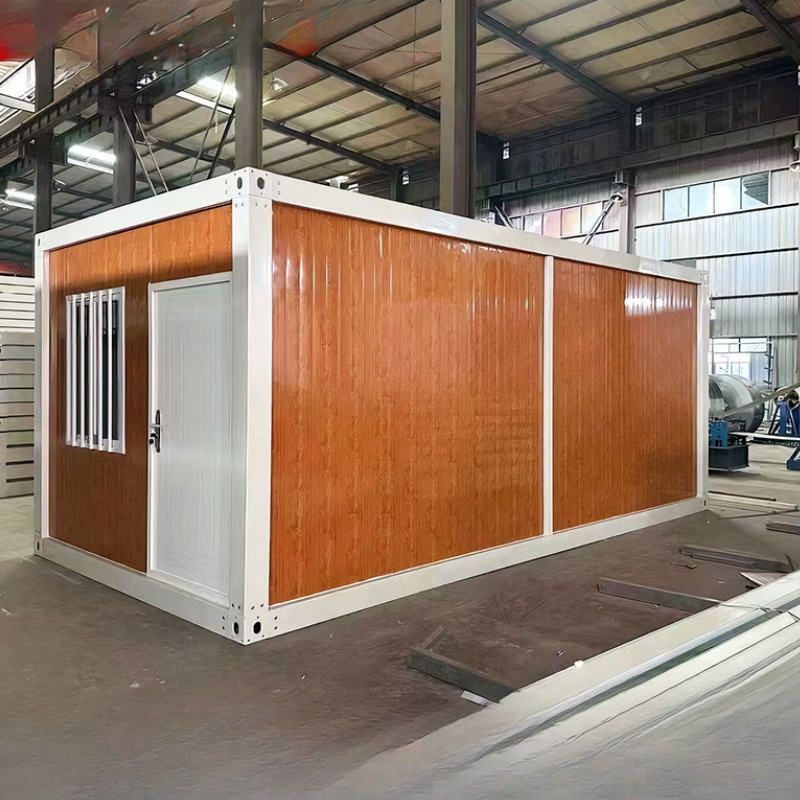
1. Deep Integration of Resource Closed-Loop Management and Environmental Protection Technologies Mobile toilets achieve waste resource utilization through separation and treatment technologies: liquid waste is biologically degraded and used for green irrigation, while solid matter is converted into organic substrate through high-temperature composting, reducing reliance on traditional sewage systems. Some toilets employ vacuum collection technology, utilizing negative pressure systems to reduce water consumption (saving approximately 80% compared to traditional toilets), while employing microbial treatment technologies to decompose organic matter. Stepwise adjustment of aeration frequency and stirring rate ensures stable reaction conditions with minimal secondary pollutant emissions.
2. Environmentally Friendly Materials and Energy Self-Sufficiency Design Toilet walls are constructed from recycled composite materials with internal honeycomb structures forming air insulation layers to reduce energy consumption. The roof is equipped with semi-transparent photovoltaic panels that provide both shading and electricity generation, supplying clean energy for lighting, ventilation, and other systems. Rainwater collection systems work in tandem with handwashing water filtration devices; the former provides supplemental water for green maintenance, while the latter uses filtered water for toilet flushing, forming a "collection-treatment-reuse" water circulation chain. Evaporative cooling technology further reduces water demand for summer cooling.
3. Smart Management Systems for Dynamic Regulation Based on sensor networks and IoT technology, toilets can collect real-time data on usage frequency, resource inventory (e.g., water and electricity levels), and environmental parameters (temperature, humidity, odor concentration). Optimization algorithms dynamically adjust lighting intensity, ventilation rates, and water circulation cycles. For example, during low-usage periods, the system automatically switches to energy-saving mode, turning off non-essential equipment; during peak periods, it pre-activates pretreatment systems to prevent resource shortages.
4. Flexible Deployment to Address Tourist Flow Fluctuations The core function of mobile toilets is to alleviate seasonal tourist pressure. By analyzing data from scenic spot heatmaps, large-scale event schedules, and transportation hub capacities, management departments can quickly deploy toilets to high-demand areas, reducing无效流动 (inefficient movement) caused by tourists searching for toilets. For instance, during holidays, additional mobile toilets are placed near popular attractions to shorten queue times and minimize travel disruptions.
5. Data-Driven Maintenance and Cleaning Alerts Toilets are equipped with early warning systems based on usage frequency and sensor feedback, monitoring specific substance concentrations (e.g., ammonia, hydrogen sulfide) or storage capacity to plan cleaning and resupply routes. For example, when solid waste storage reaches 80%, the system automatically alerts maintenance personnel to clean, ensuring continuous availability during peak periods and optimizing labor and material scheduling efficiency.
6. Dual Value for Urban Management and Visitor Experience As dynamic nodes in the public infrastructure network, mobile toilets supplement the coverage gaps of fixed toilets. Their usage data reflects regional crowd activity patterns, providing references for the layout of other public service resources (e.g., rest areas, trash bins). For tourists, they reduce anxiety over physiological needs and time wastage, enhancing trip predictability and preventing negative emotions caused by unmet basic needs, thereby improving overall travel satisfaction.



