
Specifications of Mobile Toilets in Beijing Scenic Spots
The specifications of mobile toilets in Beijing scenic spots vary according to design requirements and application scenarios, commonly covering aspects such as basic dimensions, material structures, internal facilities, and environmental adaptability.
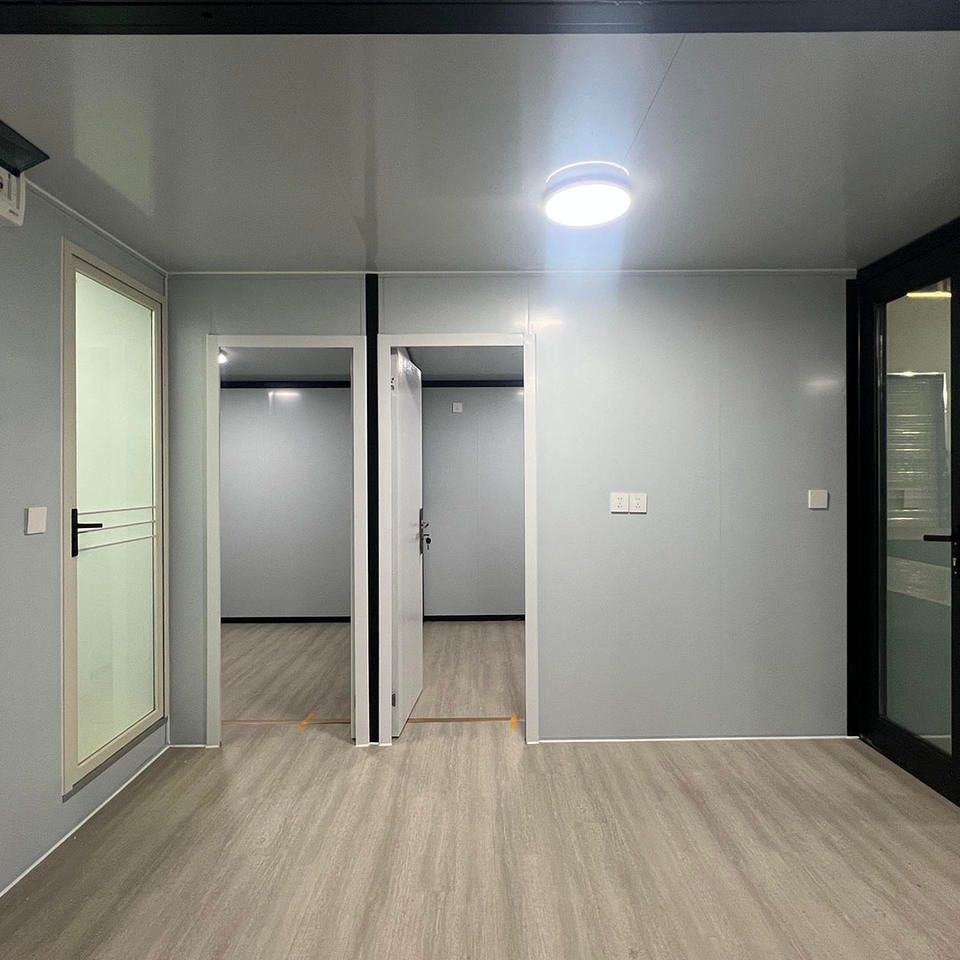
I. Basic Specifications Single-occupancy mobile toilets are approximately 1.2-1.5 meters in length, 0.8-1 meter in width, and 1.8-2 meters in height, containing only one squat or sit toilet, suitable for scenarios with low foot traffic. Double-occupancy toilets are 1.8-2 meters in length, 1.2-1.5 meters in width, and 1.9-2.1 meters in height, accommodating two people simultaneously, typically equipped with two squat toilets or one sit and one squat toilet. Multi-occupancy toilets, commonly accommodating 3-4 people, are 2.5-3 meters in length, 1.5-2 meters in width, and 2.2-2.4 meters in height, generally used for large events or peak traffic scenarios, with some equipped with 2-4 individual compartments. The internal net area of a single toilet compartment is generally not less than 1.1 square meters, with a net height of not less than 2.0 meters, ensuring comfort during use.
II. Materials and Structure The toilet bodies are generally made of high-strength fiberglass, color-coated steel plates, or aluminum alloys, featuring corrosion resistance, aging resistance, and fire retardancy, suitable for Beijing's climate with large temperature differences between winter and summer. The structures are mostly integral hoisting or assembled types, ensuring stability and rapid deployment capabilities. The roofs are designed with a slight slope for easy drainage, made of waterproof materials with sealed joints, and some models are equipped with solar panels on the roof to provide auxiliary power.
III. Internal Facilities and Sanitation Systems Toilets are equipped with squat or sit toilets, mostly water-saving ceramic or high-strength plastic products, with a flush volume of 0.5-1.5 liters per use. Sewage disposal methods include direct discharge (connected to municipal sewage networks), storage (equipped with storage tanks with a capacity of 0.5-2 cubic meters), packaging (using biodegradable film to independently package waste), and biological degradation (treating waste through bacterial biochemical processes). Sanitation facilities are标配 with washbasins, water-saving faucets, mirrors, toilet paper holders, and waste bins, with some equipped with hand sanitizer dispensers and hand dryers; the floors are made of non-slip materials, and the interiors are equipped with forced ventilation systems (with an air exchange rate of not less than 40 times per hour).
IV. Environmental Adaptability and Supporting Systems The walls are made of insulation sandwich materials (such as polyurethane foam), with some models equipped with electric heaters or air conditioners to ensure that water pipes do not freeze in winter and the interior does not overheat in summer. The intelligent anti-freezing system ensures good sealing of the toilet equipment space, minimizing heat loss, suitable for environments ranging from -40℃ to 50℃. Some models use foaming agent technology, with a water consumption of only 0.04 liters per person per use, significantly saving water.



