
Structure of Beijing Public Mobile Toilets
The structure of Beijing public mobile toilets is based on modular design, encompassing overall structure, frame structure, wall materials, internal functional areas, sewage and storage systems, and other auxiliary facilities, forming an independent and fully functional mobile unit.
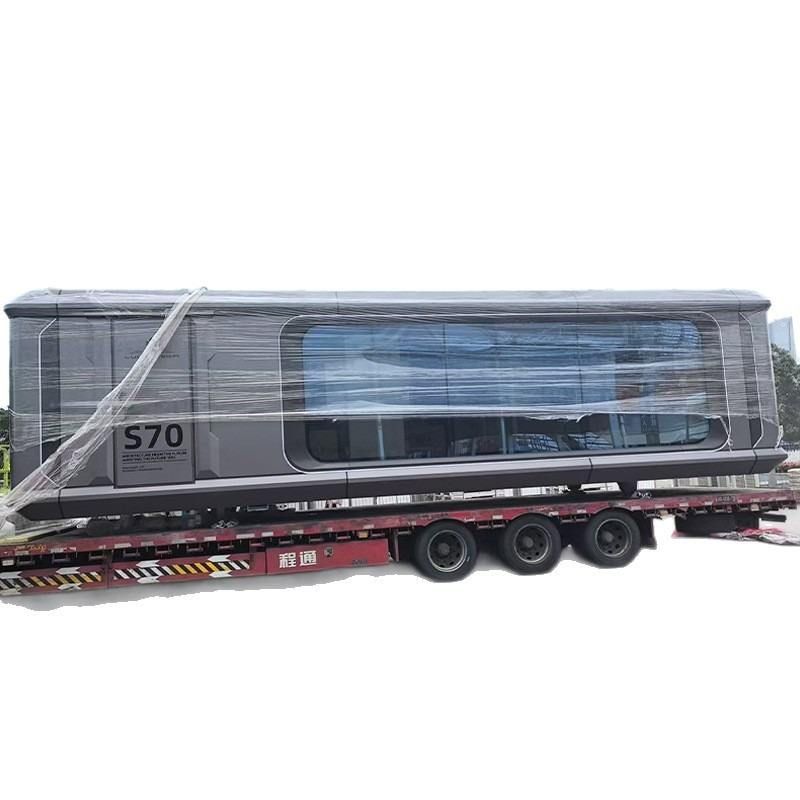
Overall Structure: Utilizing standard container modular design, it forms an independent enclosed space that can be moved as a whole using standard transportation tools. Modules are connected via quick-connect interfaces for water and electricity access, facilitating rapid deployment at designated locations to meet temporary or long-term public needs in urban areas.
Frame Structure: The main frame is constructed from lightweight steel, balancing stability and mobility. The steel must meet deformation resistance requirements while controlling overall weight to ensure efficient transportation and installation. Frame design requires mechanical calculations to optimize structural strength and material usage.
Wall Materials: The outer layer employs corrosion-resistant metal materials with surface coatings that can adapt to temperature variations and UV exposure, extending service life. Insulation layer thickness is adjusted according to climate zones, with thicker designs in northern regions to prevent pipe freezing. Internal walls must meet sound insulation and privacy requirements to ensure a satisfactory user experience.
Internal Functional Areas:
- Toilet Area: Equipped with water-saving flushing devices that combine pneumatic assistance and water circulation technology to reduce water consumption; toilets and sinks are made of durable, easy-to-clean materials to lower maintenance costs.
- Cleaning System: Automatic sensors control timed disinfectant spraying to maintain hygiene.
- Temperature Regulation: Independent heat exchangers maintain a constant internal temperature to suit different seasons.
- Lighting System: Low-energy LED lights paired with light sensors automatically adjust brightness based on ambient conditions for further energy savings.
- Central Control: Modules coordinate operations through a central system, with real-time energy consumption data transmitted to a management platform for remote monitoring and optimization.
Sewage and Storage Systems:
- Recirculating Flush Type: Uses a small water treatment unit to achieve limited-cycle water reuse, reducing discharge.
- Waterless Packaging Type: Utilizes biodegradable films to independently package waste, avoiding water consumption.
- Microbial Degradation: Specific bacteria break down organic matter into harmless compounds, reducing treatment difficulty.
- Vacuum Collection: Negative pressure pipelines transport waste, reducing water usage and suitable for water-scarce areas.
- Gas Treatment: Activated carbon filters purify gases generated during treatment to ensure emissions meet air quality standards.
- Terminal Treatment: Connects to municipal sewage networks or is equipped with storage containers based on site conditions, adapting flexibly to different scenarios.
Other Facilities: Bottom leveling brackets accommodate different ground slopes; wind-resistant structures are designed with reinforced points to withstand lateral pressure from specific wind speeds; anti-slip floors and barrier-free access meet the needs of special populations; emergency call buttons connect to monitoring centers for safety; external signage uses reflective materials to ensure nighttime visibility.



