Beijing Public Mobile Environmental Protection Toilet
The Beijing Public Mobile Environmental Protection Toilet is a green solution for urban public health and ecological protection, achieving water conservation, emission reduction, and efficient sanitation management through modular design, resource recycling, and distributed processing technologies.

I. Technical Principles and Core Structure
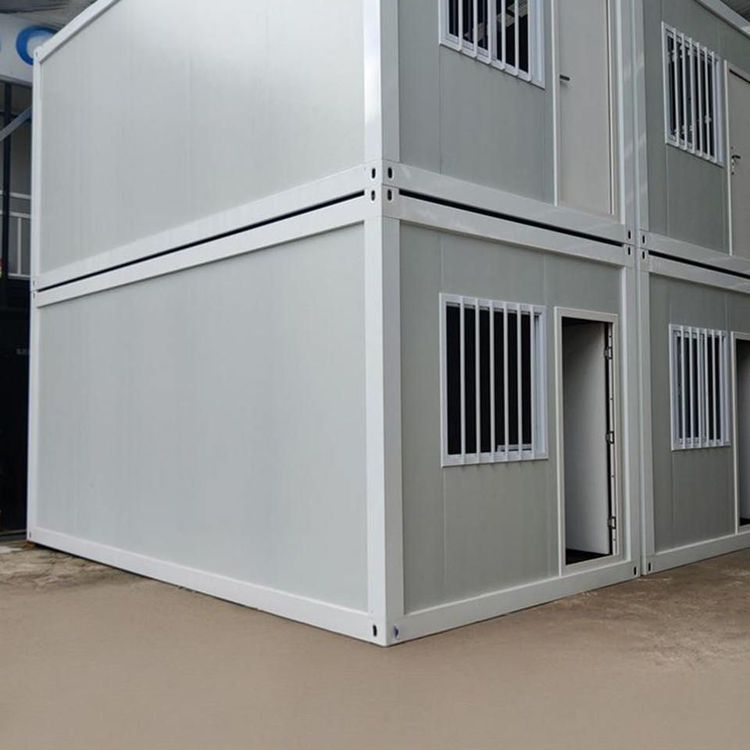
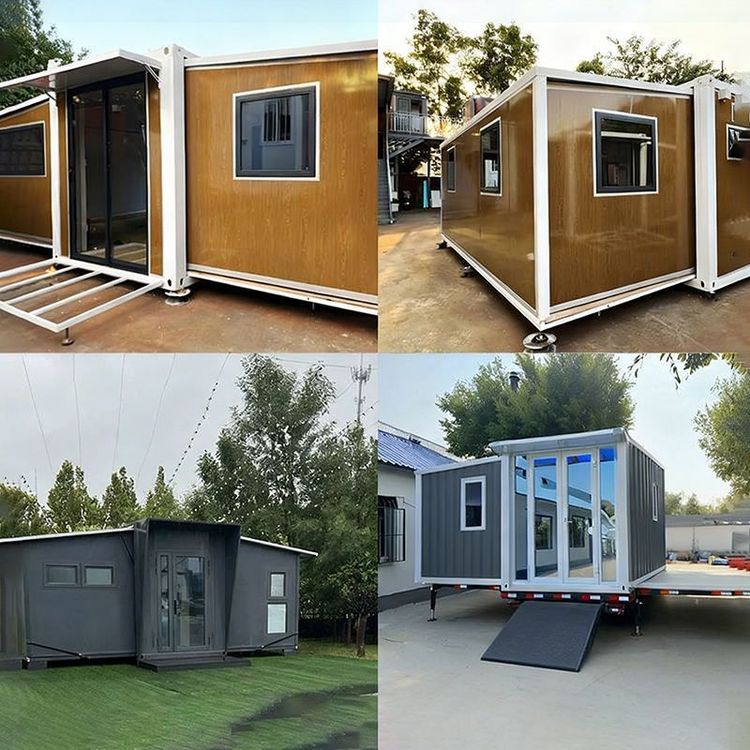
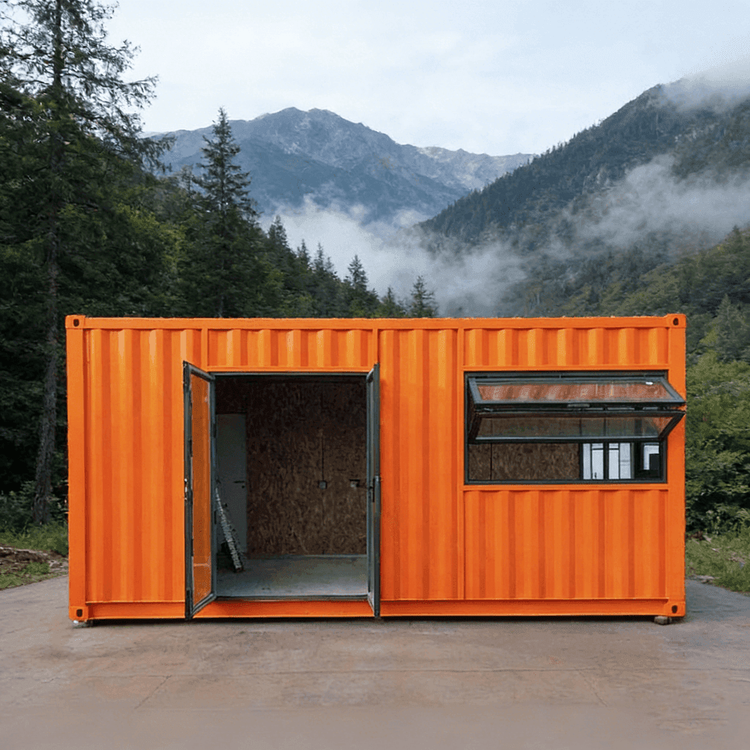
The public mobile environmental protection toilet adopts a modular box structure, integrating various waste treatment technologies:
- Microbial Degradation: Utilizes specific microbial communities to decompose organic waste into carbon dioxide, water, and inorganic salts, achieving harmless treatment.
- Vacuum Negative Pressure Technology: Reduces water consumption (with a water-saving rate exceeding 90%) through a low-pressure environment, while preventing odor diffusion and enhancing user comfort.
- Physical-Chemical Conversion: Adds reactants to solidify or decompose waste, suitable for rapid treatment needs in temporary locations.
II. Resource Recycling and Closed-Loop Management
Efficient material utilization is achieved during the treatment process:
- Liquid Resource Regeneration: After multi-stage filtration and disinfection, it meets non-potable reuse standards and is used for green irrigation or toilet flushing.
- Solid Resource Conversion: After fermentation or carbonization treatment, stable organic matter is formed, which can be used as soil amendment material; some systems can also recover nutrients such as nitrogen and phosphorus from urine for agricultural fertilizer production.
- Advantages of Distributed Processing: Primary treatment is completed near the generation point, reducing transportation energy consumption and leakage risks, and shortening the nutrient element recycling path.
III. Scenario Adaptation and Flexible Deployment
Technical parameters are optimized according to different scenarios:
- Recreational Areas such as Parks: Biological treatment systems are preferred, with low water consumption and environmental friendliness.
- High-Traffic Areas such as Commercial Districts: Vacuum technology combined with rapid disinfection devices ensures efficient odor prevention.
- Temporary Locations: Detachable modular systems are used, supporting rapid deployment and removal to meet event needs.
IV. Ecological Benefits and Long-Term Value
- Water Conservation and Emission Reduction: Compared to traditional flush toilets, the water-saving rate exceeds 90%, significantly reducing water resource consumption.
- Pollution Reduction: Waste resource utilization reduces the pressure on landfilling or incineration and lowers greenhouse gas emissions.
- Environmentally Friendly Design: Integrates functions such as solar power supply and rainwater collection to further reduce operational environmental loads.
Through technological innovation and system optimization, the Beijing Public Mobile Environmental Protection Toilet provides a sustainable solution for urban public health and ecological protection. Its flexibility and resource recycling capabilities make it an important tool for modern urban management.