Beijing Public Environmental Protection Mobile Toilet
The Beijing Public Environmental Protection Mobile Toilet is a public sanitation facility that adopts a modular design, possesses resource recycling capabilities, and can adapt to various urban scenarios. Its characteristics are as follows:

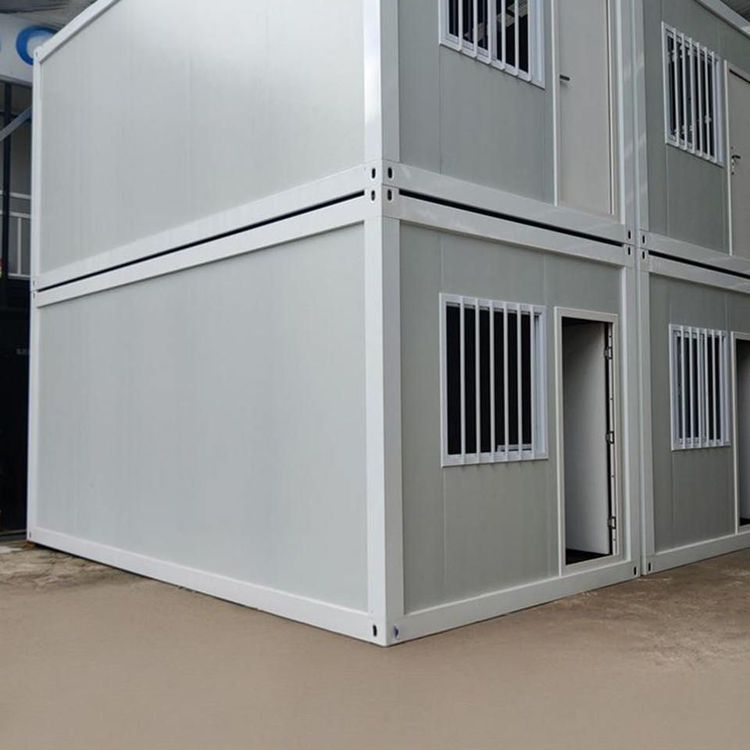
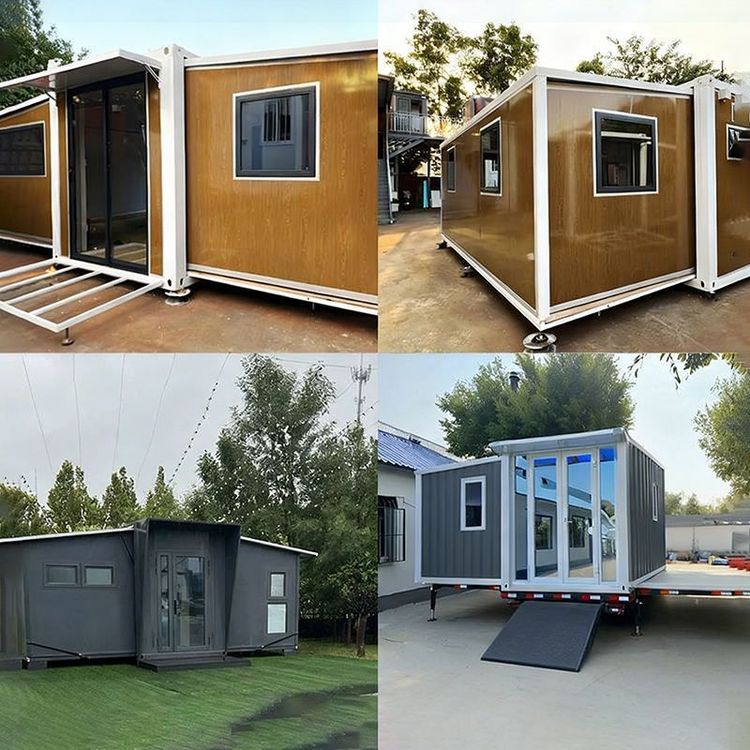
Modular Design and Technical Principles: Unlike traditional fixed toilets, the Beijing Public Environmental Protection Mobile Toilet employs a modular design, consisting of movable box structures with integrated waste treatment systems. The treatment technologies include microbial degradation, vacuum negative pressure collection, and physicochemical conversion, enabling waste treatment without relying on fixed pipe networks and achieving "on-site treatment, on-site utilization".
Resource Recycling: After treatment, the waste enters the resource utilization phase. The liquid portion, after multi-stage filtration and disinfection, can be used for green irrigation or toilet flushing; the solid portion is converted into soil improvement materials through fermentation or carbonization; some systems can also recover nutrients such as nitrogen and phosphorus from urine for agricultural fertilizer production, forming a closed-loop cycle of "waste-resource".
Adaptive Improvements to Urban Public Sanitation Systems: Its deployment breaks away from the fixed layout logic of traditional facilities and can be dynamically adjusted according to pedestrian density, demonstrating high flexibility in large event venues, transportation hubs, or temporary construction areas. The sealed design and automatic cleaning function reduce the risk of cross-infection, while sensor-based devices (such as flushing, hand washing, and door opening) minimize contact transmission possibilities, enhancing public health and safety levels.
Regulation of Material Flow in Urban Ecosystems: By completing primary treatment near the generation point, the distributed model reduces energy consumption and potential leakage risks during transportation. The treated resources are utilized on-site, shortening the nutrient element cycle path. Additionally, the toilet's green design (such as solar power supply and rainwater collection) further reduces operational environmental loads, aligning with the concept of low-carbon urban development.
System Configuration Differences in Different Scenarios: The system configuration is optimized for different usage scenarios. For example, parks and other recreational areas often choose biological treatment systems with low water consumption; commercial districts and other areas with high pedestrian density focus on treatment efficiency and odor prevention design, adopting vacuum technology combined with rapid disinfection devices; temporary venues select detachable modular systems for quick deployment and removal.