
Beijing Park Mobile Environmental Toilet
The mobile environmental toilet in Beijing parks is a modern public facility that integrates environmental protection, energy conservation, and ecological harmony.
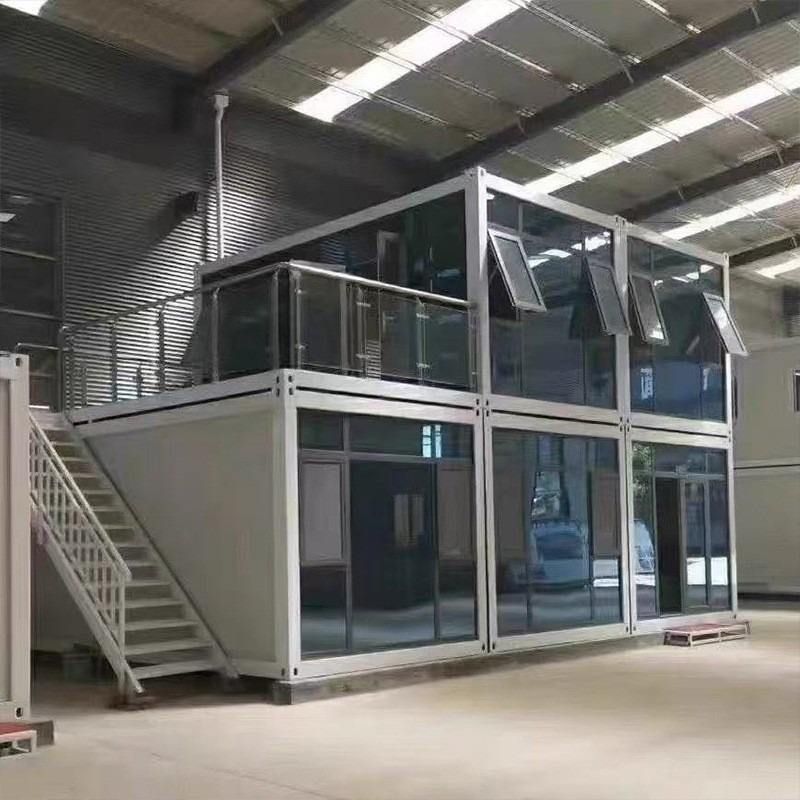
I. Structural and Material Characteristics The outer shell and frame of the mobile environmental toilet are made of lightweight composite materials with a modular design, offering high structural strength and weather resistance. This material can adapt to various outdoor climatic conditions, such as high temperatures, severe cold, wind, and rain. Its production and recycling processes have a significantly lower environmental impact compared to traditional concrete building materials, aligning with green building principles. The modular design also facilitates rapid assembly, disassembly, and relocation, meeting the dynamic needs of different park areas.
II. Application of Environmental Engineering Technologies
- Water Resource Recycling: The toilet incorporates a small-scale water treatment unit inside. The flushing water undergoes physical filtration (such as sand filtration and activated carbon adsorption) and biological treatment (such as microbial degradation), achieving water quality standards for reuse. This reused water can be utilized for flushing or surrounding green irrigation, enabling closed-loop water resource utilization and reducing freshwater consumption.
- Solid Waste Treatment: Solid waste is treated through aerobic fermentation by adding specific microbial inoculants. Microorganisms decompose organic matter and release heat, resulting in a significant reduction in the final product's volume. The product, rich in organic matter, can be used as a soil amendment for park greening, avoiding environmental pollution caused by traditional landfilling or incineration.
III. Energy Supply System Photovoltaic panels are typically installed on the roof of the toilet to convert solar energy into electricity, powering lighting, ventilation fans, and small-scale treatment equipment. When sunlight is insufficient, the system can automatically switch to reserve power sources (such as batteries) or connect to the municipal power grid as a supplement. This ensures stable facility operation while reducing continuous reliance on the municipal power grid, demonstrating energy conservation and sustainability.
IV. Ecological Integration and Space Optimization
- Landscape Harmony: The toilet's exterior color and design are carefully crafted to blend with the park's natural landscape, avoiding visual intrusion. For example, some facilities adopt wood-grain or natural color schemes, creating a harmonious match with surrounding vegetation.
- Green Compensation Design: Some toilets are designed with an elevated base or utilize surrounding planting troughs for vertical greening, compensating for the reduced green space due to facility placement. Roof greening further increases local vegetation coverage, enhancing ecological benefits.
- Humanized Functional Expansion: For instance, the modular mobile public toilet in the park north of Mingguang Bridge in Haidian District has added barrier-free toilet compartments equipped with children's toilets, baby care stations, safety handrails, and emergency call devices, catering to the needs of different groups and reflecting humanistic care.



