Beijing New Outdoor Mobile Toilet
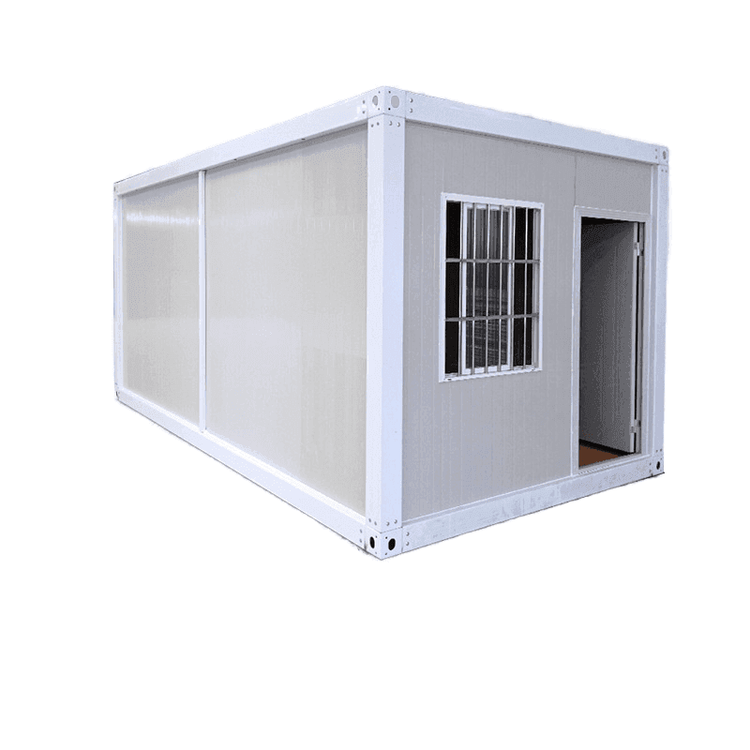
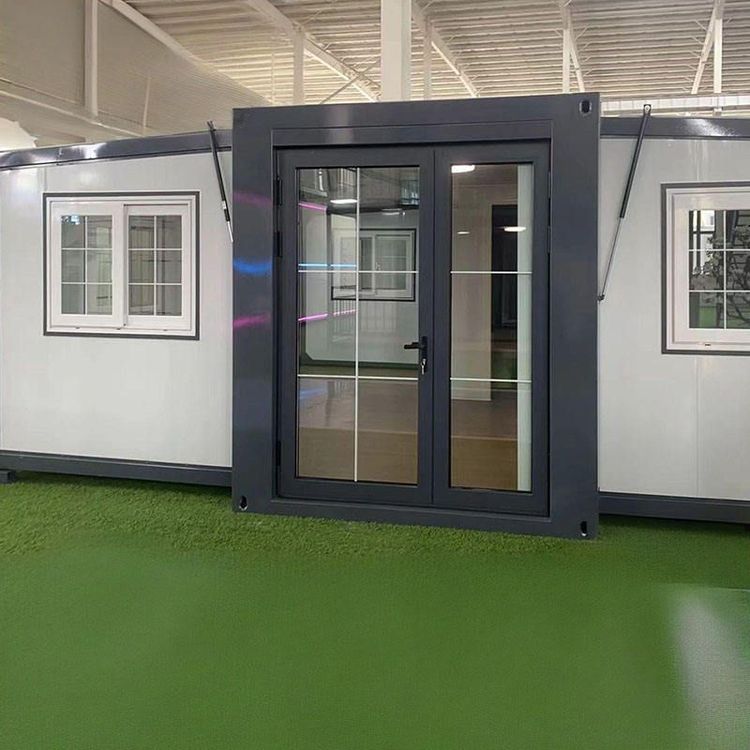
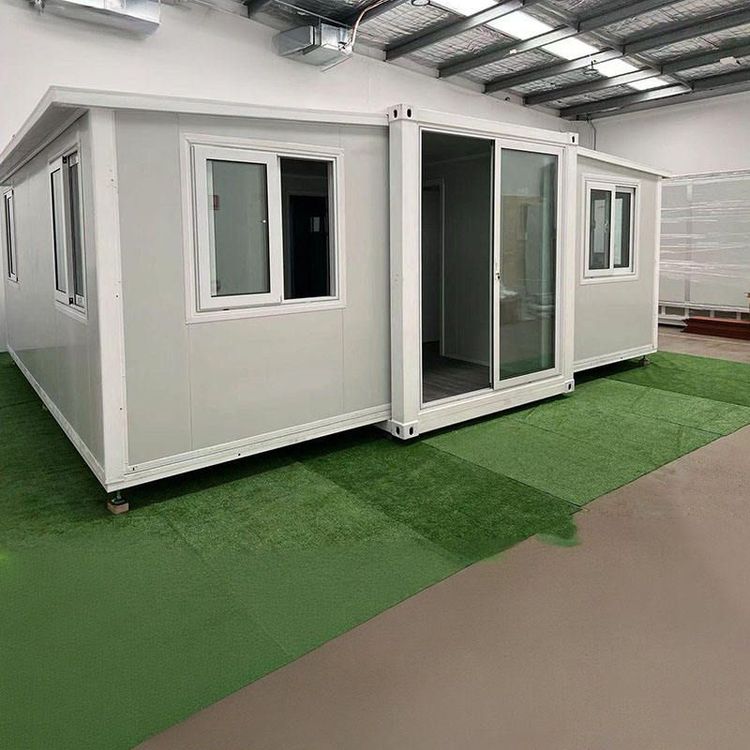
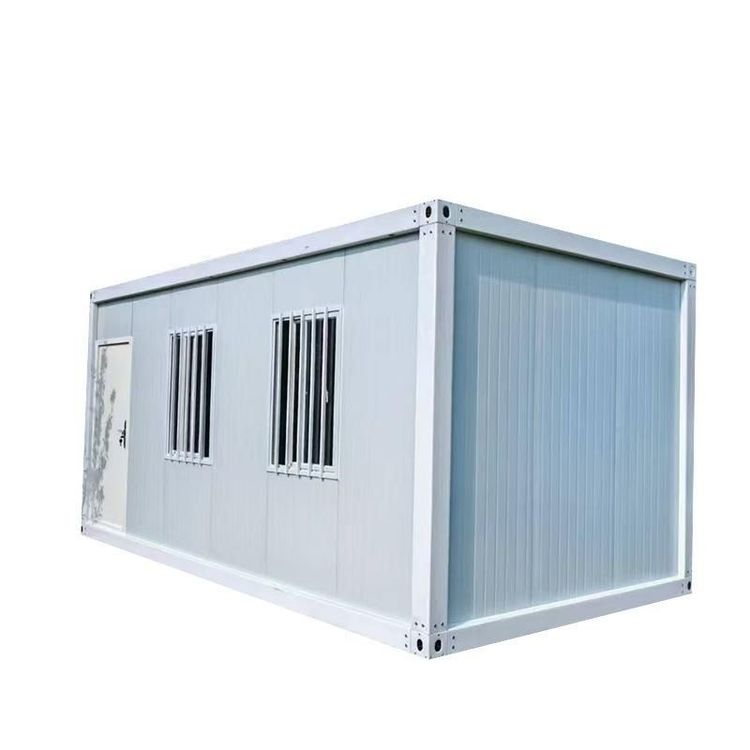
The Beijing new outdoor mobile toilet is a sanitation facility that features mobility, strong environmental adaptability, and intensive maintenance management. The following is an introduction from aspects such as technical implementation, environmental adaptability, maintenance management, and price:

Technical Implementation: It adopts a modular design and rapid assembly concept. The toilet body is mostly made of lightweight and high-strength composite materials, balancing structural strength and portability. Internally, it integrates a water-saving flushing system, a waste storage unit, and a ventilation device. Some high-end models are equipped with solar power supply modules and rainwater collection systems, enabling partial self-sufficiency in energy and water resources and reducing dependence on municipal networks. For example, solar panels can power lighting and ventilation equipment, and rainwater collection devices can supplement flushing water, improving resource utilization efficiency.
Environmental Adaptability: It is optimized for the climate characteristics of northern China. In low-temperature winter environments, it ensures normal operation by adding antifreeze, using foam sealing technology (using foam to cover excrement to reduce the risk of freezing), or employing electric tracing systems (heating pipes and fecal storage tanks). In high-temperature summer conditions, it enhances ventilation and deodorization designs, such as increasing the number of exhaust fans and using activated carbon filtration devices, to maintain fresh indoor air. Additionally, the toilet body material is corrosion-resistant and UV-resistant, suitable for long-term outdoor use.
Maintenance Management: It adopts an intensive model, supporting centralized cleaning, disinfection, and waste collection and transportation. Through a digital scheduling platform, it can monitor equipment status in real-time, optimize service routes and frequencies, and reduce operation and maintenance costs. After waste collection, it is incorporated into the urban sanitation system for closed-loop treatment, avoiding secondary pollution. For example, regular inspections can promptly detect equipment failures, and the digital platform can dynamically adjust cleaning cycles based on pedestrian traffic, improving management efficiency.
Price Differences: They are significantly influenced by type and configuration. The price of a basic mobile toilet (such as a temporary toilet for construction sites) is about 760 yuan, suitable for short-term and low-cost needs. The unit price of a rental mobile toilet (such as for marathon events) is about 1900 yuan, providing a flexible usage solution. The price of a high-end ecological toilet (such as a double-pit model for scenic spots) can reach 27,000 yuan, equipped with solar power, rainwater collection, and other systems, meeting long-term and high-comfort needs. Users can choose the appropriate model according to the actual scenario and budget.