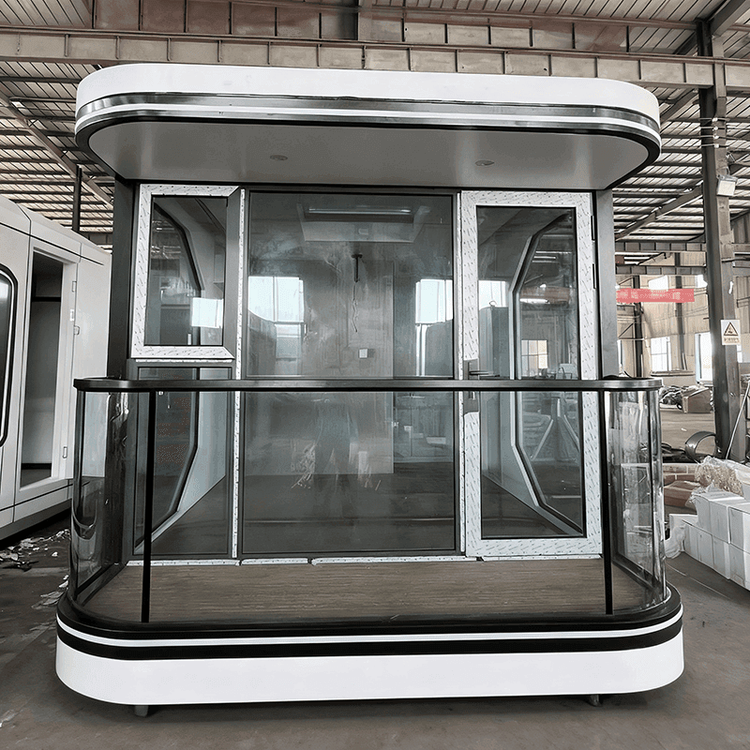
Types of Mobile Toilets in Beijing
There are various types of mobile toilets in Beijing, which can be mainly classified according to application scenarios, mobility methods, sewage treatment methods, and materials.

Classified by application scenarios, there are scenic area toilets, which emphasize harmony with natural landscapes. Their exteriors often adopt imitation wood grain or stone textures, are frequently equipped with handwashing stations, and are disguised as small wooden houses to provide tourists with a comfortable and aesthetically pleasing restroom environment. Square toilets need to take into account usage efficiency during peak人流 (high foot traffic) periods, with more compact internal space layouts to meet the needs of large numbers of people using them quickly. Garden toilets focus on moisture and corrosion resistance and ecological integration to adapt to the special requirements of garden environments. Construction site toilets are mostly iron-sheet houses with direct drainage pipes to meet the temporary usage needs of construction site personnel. Temporary event toilets, such as those used for air shows and other temporary events, come with LED lights, can be set up in just one hour, and tent-style temporary event toilets are as easy to disassemble and assemble as setting up a tent, facilitating the conduct of temporary events.
Classified by mobility methods, trailer-mounted types are suitable for large events like music festivals, where they can be pulled around the venue, offering high flexibility. Hoisting types require cranes for transportation and are suitable for fixed locations like construction sites, meeting the relatively fixed usage needs of construction sites. Self-propelled types have different chassis forms that determine the convenience of relocation and transportation, and can be selected according to actual needs.
Classified by sewage treatment methods, water-flush types require connection to a water source and sewage pipe network, suitable for locations with municipal conditions, ensuring good cleaning effects. Foam-sealing types use foaming agents to reduce flushing water usage while blocking odors, suitable for water-scarce or areas with inconvenient pipe networks, and are commonly used in scenic areas. Microbial degradation types use biological strains to decompose excrement into organic fertilizers, achieving zero emissions, and are commonly found in ecological parks, with environmental advantages. Water-free packaging types are like diapers, sealed directly after use, and are essential toilet types for desert camping.
Classified by materials, plastic toilets are lightweight and inexpensive, making them the most cost-effective for temporary use at construction sites. Color-steel toilets offer thermal and sound insulation and can be made attractive, often seen in parks and streets. Fiberglass-reinforced plastic toilets are molded as a whole, are highly durable and difficult to break, and are commonly used in disaster relief and emergency rescue situations.