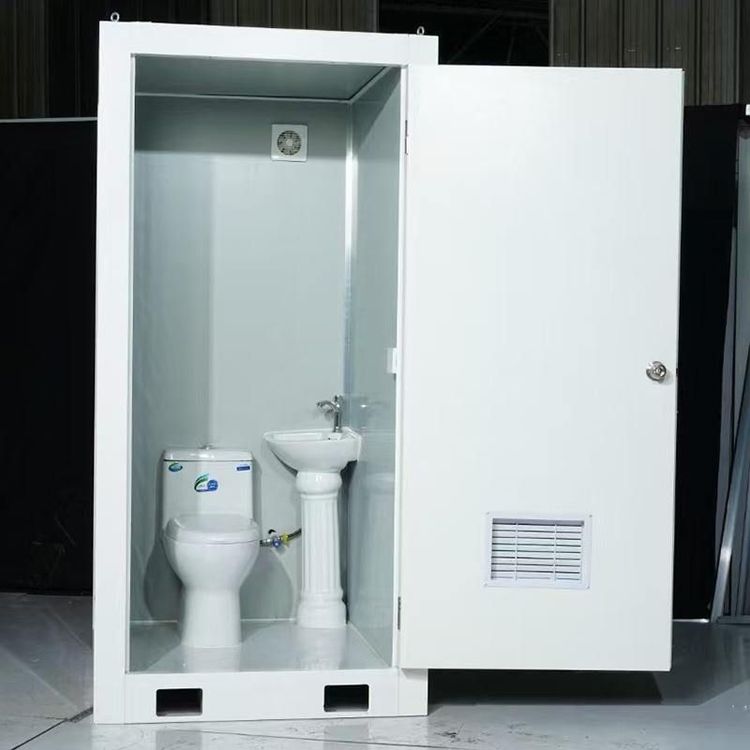
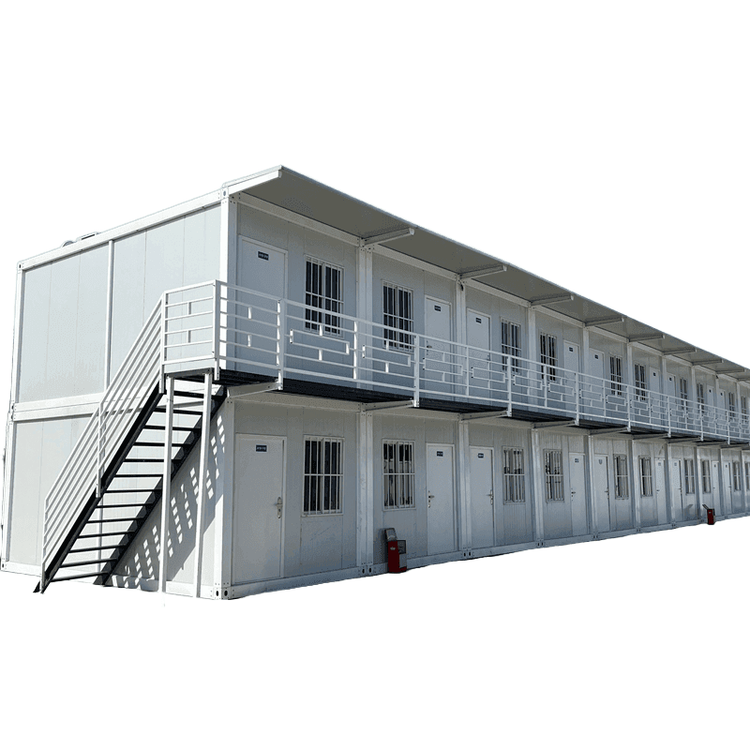
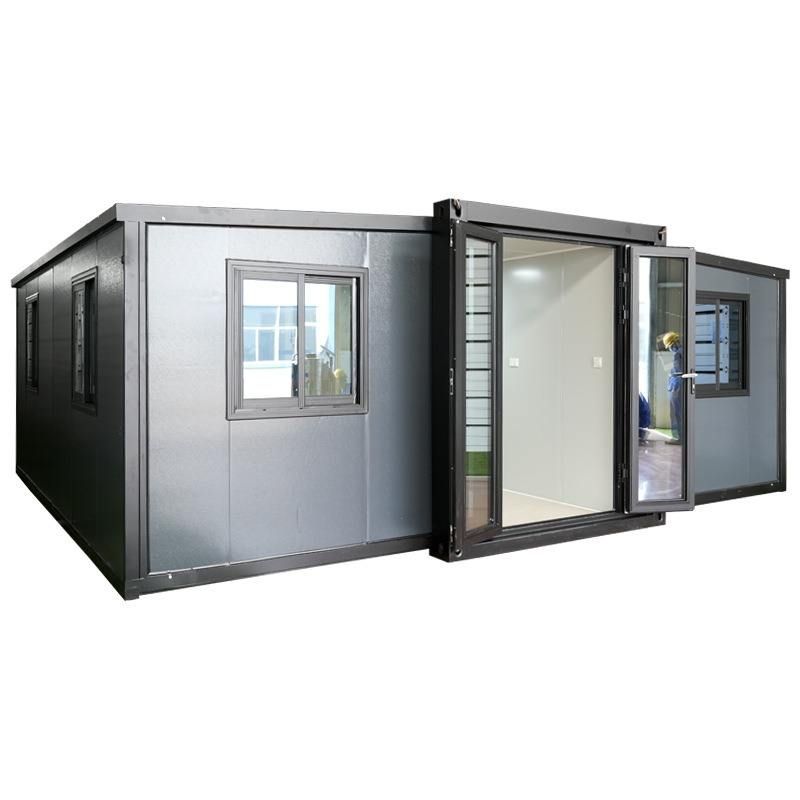
Beijing Mobile Toilet Maintenance
The maintenance of mobile toilets in Beijing requires a comprehensive approach covering daily upkeep, system inspections, consumable replacements, environmental management, and special maintenance measures. Details are as follows:
1. Daily Cleaning and Disinfection
The interior of the toilet must be thoroughly cleaned daily, including floors, walls, sinks, toilets, and urinals, using neutral detergents to avoid surface corrosion. High-contact areas such as door handles, flush buttons, and sink faucets should be regularly disinfected (recommended 2-3 times per week), followed by rinsing with clean water to remove residual disinfectant. Additionally, ensure the ventilation system operates continuously to maintain indoor air circulation and reduce odors and bacterial growth.
2. Facility System Inspections and Repairs
- Water System: Check daily for water leaks, valve flexibility, and flush strength. In winter, drain water from tanks and pipes or activate electric tracing and install insulation to prevent freezing.
- Electrical System: Regularly test the sensitivity of lighting, exhaust fans, and automatic sensors. Electrical faults must be handled by professional electricians to avoid safety hazards from unauthorized repairs.
- Structural Components: Inspect door/window seals, partition stability, and roof waterproofing. Replace aging seals or lubricate sticking components promptly.
3. Consumable and Part Replacements
Replenish toilet paper, hand soap, paper towels, and trash bags regularly based on usage frequency to avoid shortages. Use compatible replacement parts (e.g., toilet seats, faucet cartridges, flush valves) and inspect them every six months, replacing worn or damaged parts immediately to prevent leaks or malfunctions.
4. Odor Control and Environmental Management
Reduce odor sources through daily cleaning and combine physical and chemical methods for treatment: Install exhaust fans or ventilation windows to accelerate air exchange, and use eco-friendly deodorizers to break down odor molecules. Empty trash bins daily to prevent bacterial growth and keep surrounding areas clean to avoid sewage overflow or debris accumulation.
5. Special Maintenance for Northern Regions
- Anti-Freezing Measures: Drain water from tanks and pipes during nighttime or prolonged shutdowns in winter to prevent equipment damage from freezing expansion.
- Wind Resistance Reinforcement: Check for loose foundation bolts or windbreak cables to ensure structural stability.
- Rust Prevention: Regularly inspect metal parts (e.g., hinges, locks) for rust and apply lubricant or anti-rust agents to extend service life.
6. Sewage System Maintenance
- Storage-Type Toilets: Check black water tank levels daily and add septic agents periodically to decompose solid waste, preventing clogs and odors.
- Direct-Discharge Toilets: Inspect drainpipe patency quarterly and clean inner wall deposits to ensure smooth drainage.
7. Periodic Deep Maintenance
Conduct a comprehensive deep maintenance every quarter or half-year, including detailed facility inspections, system cleaning (e.g., tank descaling, pipe unclogging), and component adjustments (e.g., flush valve pressure calibration) to ensure long-term stable operation.