Introduction to Beijing Mobile Toilets
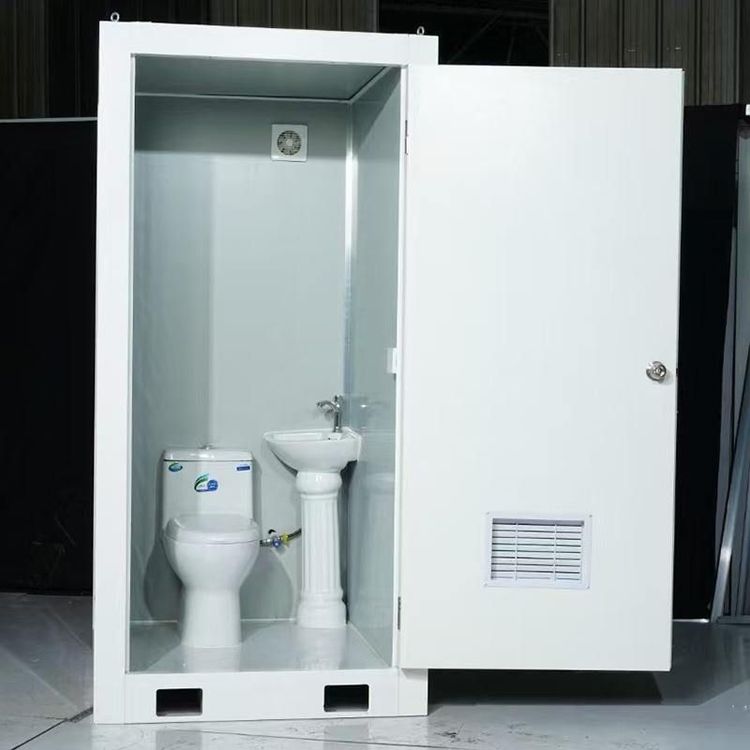
Beijing mobile toilets are flexible and environmentally friendly urban convenience facilities, featuring modular construction, self-sustaining systems, and intelligent management, widely applied in various scenarios.

Modular Construction
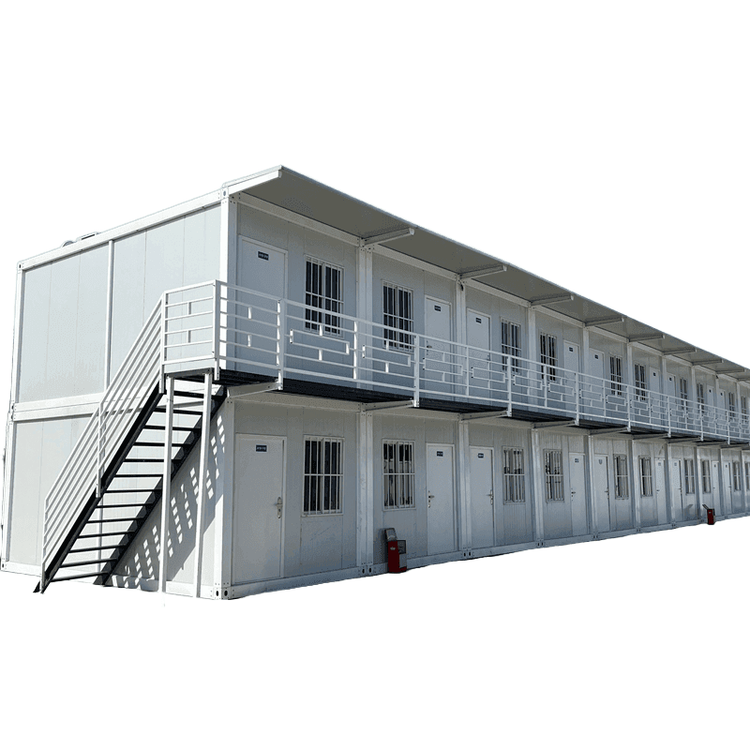
The core advantage of Beijing mobile toilets lies in their modular design. Their main bodies consist of independent functional modules, including a waste collection unit, water recycling treatment unit, power supply unit, and structural framework unit. Each module is standardized and prefabricated in factories, enabling rapid assembly and disassembly through mechanical interfaces. This design allows for flexible configuration of module specifications and functions based on on-site terrain, foot traffic, and municipal conditions. For example, additional water recycling units can be added in scenic areas to conserve water, while power modules can be simplified in construction zones to reduce costs.
Self-Sustaining Systems
Mobile toilets typically employ closed-loop or semi-closed-loop resource treatment technologies to reduce reliance on external municipal networks. Waste is initially treated on-site through biological degradation, chemical treatment, or physical separation techniques, lowering the frequency of waste removal and the risk of secondary pollution. Some models integrate rainwater harvesting or graywater reuse systems for water recycling, while power supplies combine solar photovoltaic panels with energy storage batteries to meet usage demands at night or during cloudy/rainy weather. For instance, the upgraded tent-style toilets in Tiananmen Square have significantly improved odor control through enhanced platform design, the addition of sealing rings, and the installation of exhaust fans.
Intelligent Management
The facilities are equipped with liquid level sensors, foot traffic sensors, and other devices to monitor waste tank capacity, water tank levels, and peak usage times in real-time. When resource reserves reach preset thresholds, the system automatically sends alerts to management terminals for waste removal or resupply. By analyzing usage data through algorithms, cleaning schedules can be optimized, and maintenance instructions generated. Additionally, intelligent guidance systems display occupancy status ("Occupied/Unoccupied") via toilet stall indicators, improving usage efficiency.
Application Scenarios and Enterprise Cases
Mobile toilets are suitable for large-scale events, holiday tourist attractions, temporary construction sites, and public health emergencies, enabling rapid deployment to fill service gaps. For example, during the 80th Anniversary of the Victory of the Chinese People's War of Resistance Against Japanese Aggression in 2025, Beijing deployed 140 mobile toilets in core areas, providing over 3,500 toilet stalls. Beijing Combeck Technology Development Co., Ltd.'s "Combeck-brand" mobile toilets are renowned for their "advanced design and scientific material selection," gaining widespread application and acclaim in Beijing and across the country.