Beijing Mobile Toilet Installation
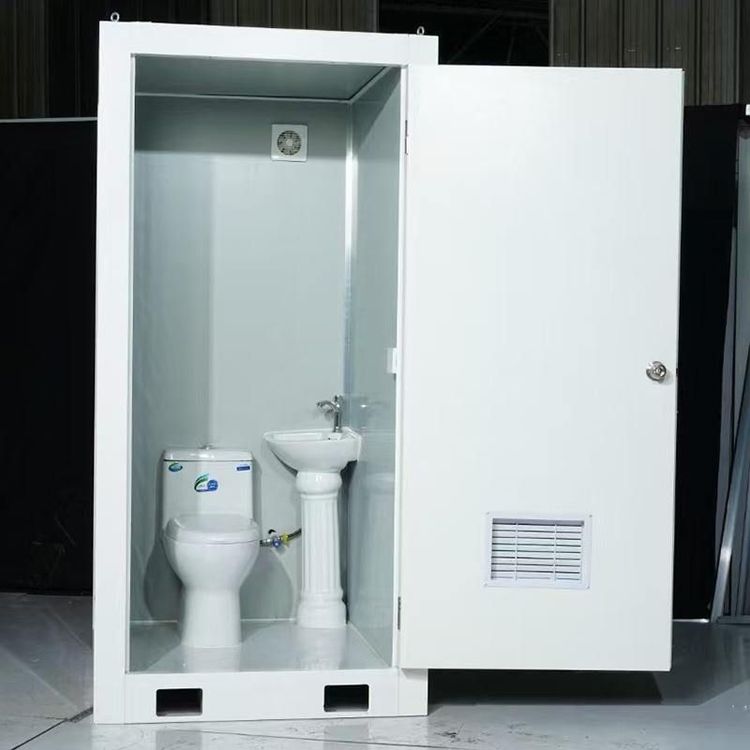
The installation of mobile toilets in Beijing adopts an integrated design, achieving rapid deployment through modular combination and standardized production. The installation process covers five core aspects: functional system integration, circulation system construction, energy supply configuration, smart management integration, and human-centered design.

1. Construction Model Innovation: Modular Rapid Assembly
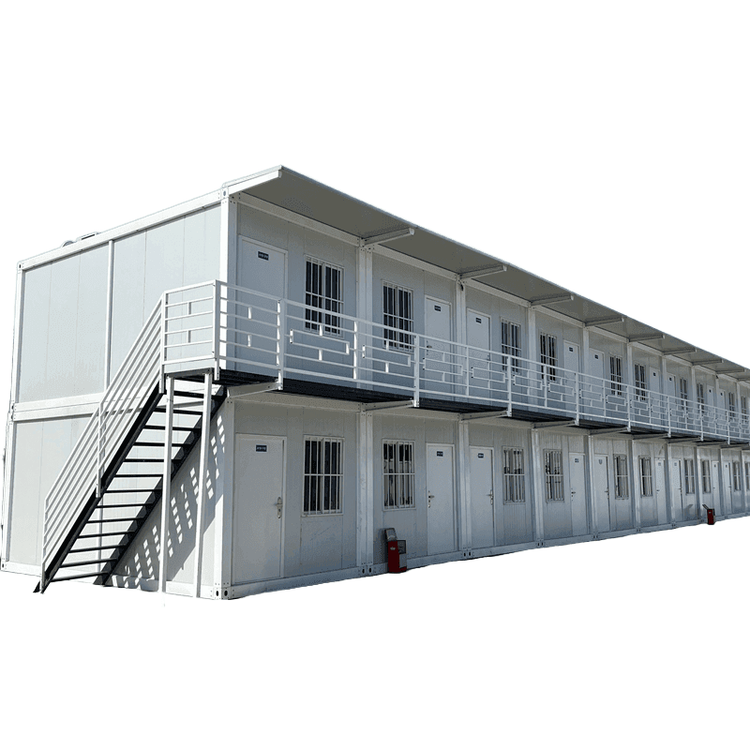
Traditional public toilets require on-site construction of water, electricity, sewage, and structural components one by one. In contrast, Beijing's mobile toilets utilize prefabricated modular design, where functional units (such as toilet compartments, treatment systems, and equipment rooms) are standardized and produced in factories before being transported to the site for assembly via bolting or splicing. This approach significantly shortens the construction cycle, typically requiring only a few days for installation, while improving space utilization. It is particularly suitable for temporary events, emergency scenarios, or areas with limited land availability.
2. Internal Circulation System Installation: Sewage Self-Treatment and Reuse
The toilets are equipped with a three-stage sewage treatment system:
- Solid-Liquid Separation: Sewage first enters a separation device where solid materials are compressed and stored for regular removal.
- Biological Degradation: The liquid portion flows into a biological treatment unit, where microorganisms break down organic matter.
- Filtration and Disinfection: Suspended particles are removed through physical filtration, followed by ultraviolet or chemical disinfection to eliminate pathogens. A portion of the treated water is reused for flushing, creating a closed-loop system that reduces reliance on external sewage disposal.
3. Energy Supply Configuration: Solar Power and Smart Regulation
Solar panels are installed on the roof or sun-facing exterior walls to convert sunlight into electricity, which is stored in battery packs to power lighting, ventilation, and control systems. Some models are equipped with an energy management system that monitors electricity demand in real time and automatically adjusts device power (e.g., reducing lighting brightness at night) to optimize energy consumption.
4. Smart Management System Integration: Remote Monitoring and Alerts
Data-driven operation and maintenance are achieved through a sensor network:
- Occupancy Sensors: Detect toilet stall status and display it on external screens.
- Environmental Sensors: Monitor temperature, humidity, and ammonia levels, automatically activating ventilation when thresholds are exceeded.
- Equipment Sensors: Track water and electricity consumption, sewage treatment progress, and energy reserves. All data is transmitted via IoT to a management platform, enabling remote monitoring of equipment status by maintenance personnel and alerts for faults or supply shortages.
5. Human-Centered Design Integration: Accessibility and Safety
User experience is optimized based on ergonomics:
- Accessible Ramps: Width and slope meet wheelchair accessibility standards.
- Multi-Functional Facilities: Equipped with baby changing stations and child safety seats.
- Emergency Call Buttons: Installed in prominent and easily accessible locations for rapid response in emergencies.
The installation of mobile toilets in Beijing achieves a balance of efficiency, environmental protection, and user-friendliness through technological integration and standardized processes, offering an innovative solution for public facility construction.