Beijing Mobile Toilet Construction
The construction of mobile toilets in Beijing aims to flexibly allocate resources and alleviate the shortage of public toilets as its core objectives. Through modular design and intelligent management, it has become an important supplementary technological approach to optimizing urban public space services.
I. Core Components and Technical Features
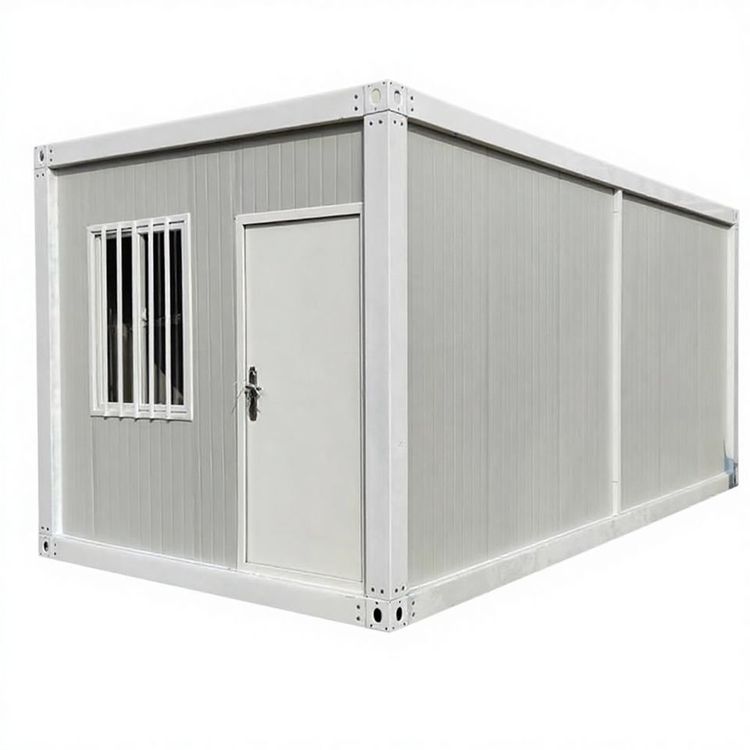
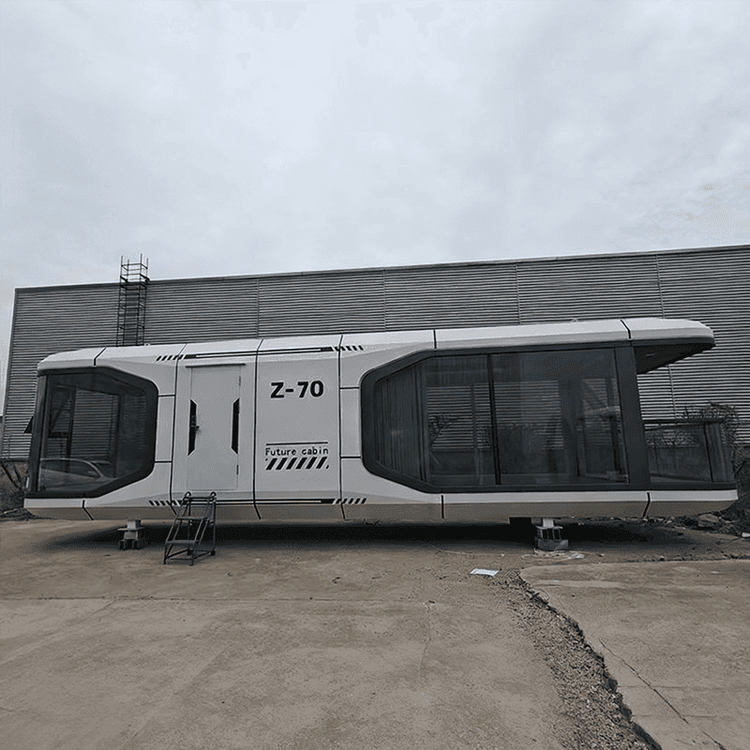
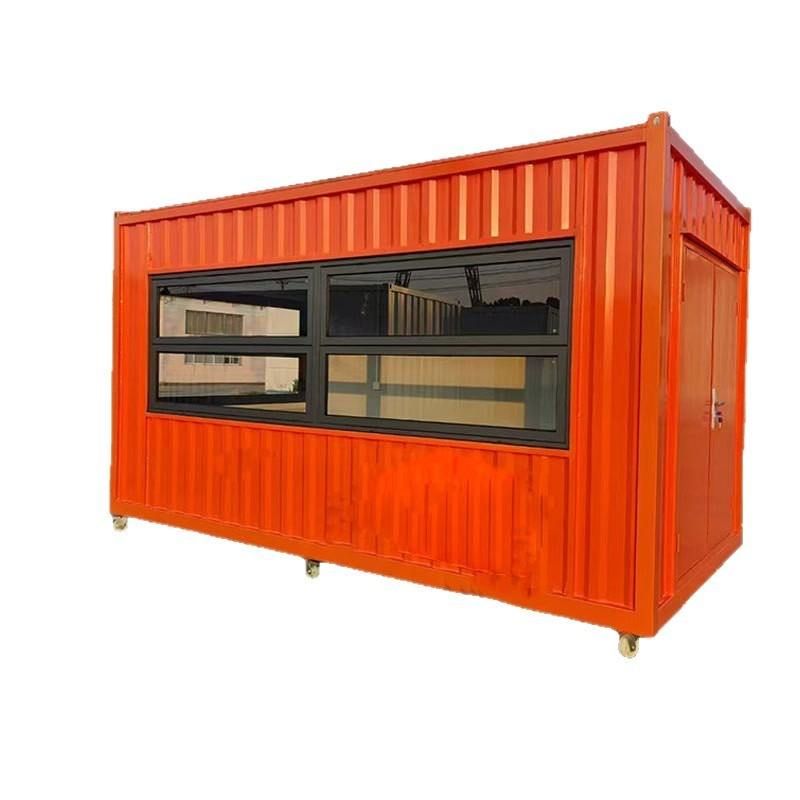
Beijing's mobile toilets adopt an integrated functional unit design, with core components including waste collection devices, water circulation flushing units, ventilation equipment, and lightweight, high-strength modular frames. Their independent sewage disposal is achieved through self-contained waste storage tanks or small-scale biological treatment units, eliminating reliance on fixed sewer networks and supporting rapid deployment and relocation. For example, the modular mobile public toilets in the park north of Mingguang Bridge in Haidian District feature accessible toilet stalls equipped with children's toilets, baby changing stations, and emergency call devices, balancing the needs of special populations with environmental visual harmony.
II. Application Scenarios and Deployment Principles
Mobile toilets adhere to the "demand-responsive" principle, using data analysis to predict peak foot traffic and deploying them in advance to large events, tourist peaks, or temporary construction areas. For instance, in 2025, Beijing incorporated a "follow-up review" mechanism into the renovation of toilets in traditional courtyard houses in core areas to ensure proper management and maintenance. Simultaneously, it integrated public toilets in industries such as rail transit and parks into a unified regulatory system. Their flexibility is also demonstrated in routine drills in non-disaster scenarios, such as serving large gatherings or construction sites, which enhances operational proficiency for disaster emergency responses.
III. Technical Parameters and Intelligent Trends
Deployment requires comprehensive consideration of factors such as foot traffic at individual points, water and electricity access conditions, and duration of use. Future applications are moving towards system integration and intelligent management:
- Sensor monitoring: Real-time monitoring of storage levels and networked scheduling for waste removal;
- Biodegradation technology: Utilizing rapid biological degradation to reduce pressure on backend disposal;
- Accessibility compatibility: Such as adding accessible facilities to meet the needs of the elderly and disabled.
IV. Construction Achievements and Social Value
Mobile toilets address fluctuations in public demand with lower infrastructure investment and shorter construction cycles, avoiding misallocation or idleness of fixed facilities. In 2025, Beijing implemented a "one-toilet, one-policy" approach to renovate accessible facilities in 33 public toilets, promoting regular inspections of the "five-have" management and maintenance mechanism for rural public toilets. Throughout the year, it urged the rectification of 2,287 issues, driving the transformation of the living environment from "temporary cleanliness" to "lasting beauty" and becoming a key technological approach to optimizing urban service responsiveness.