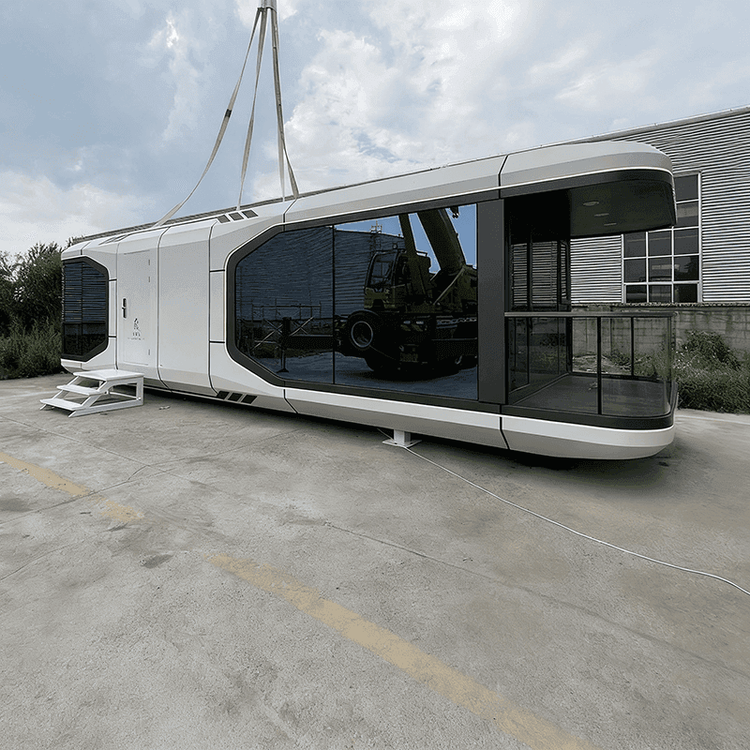
Beijing Mobile Smart Toilet Solution
The Beijing Mobile Smart Toilet Solution is a comprehensive approach that combines the flexibility of mobile toilets with smart technology, enhancing management efficiency and user experience through multi-system collaboration. Details are as follows:
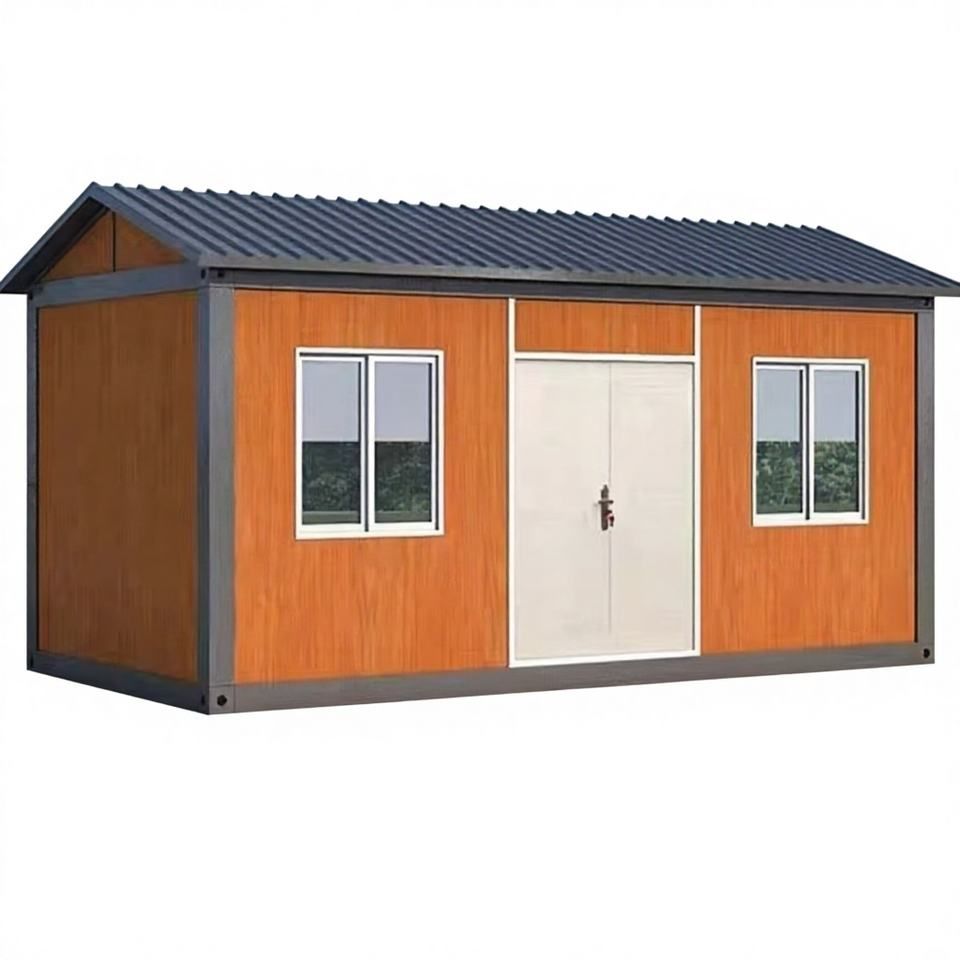
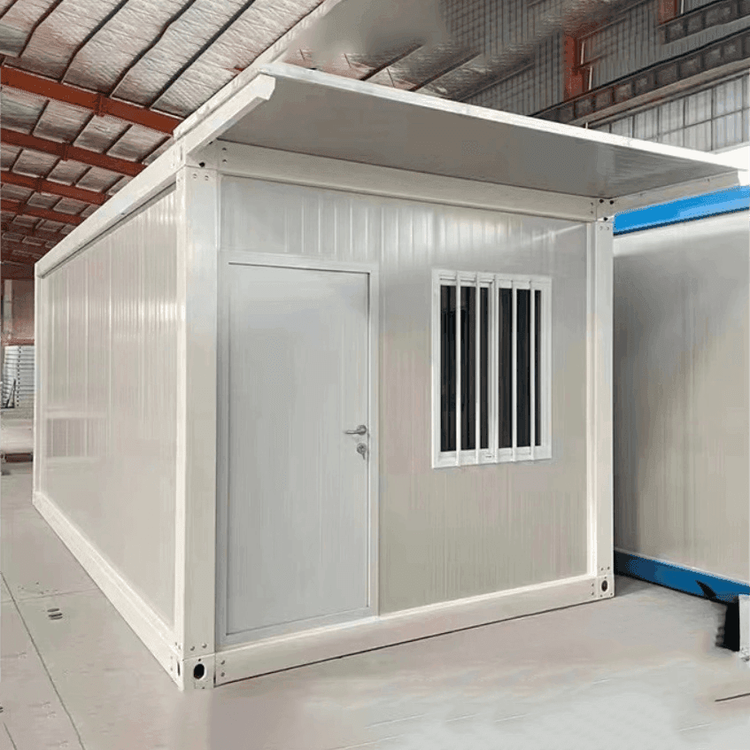
Mobile Toilet Infrastructure: Utilizing lightweight, high-strength modular materials for the foundational framework, enabling easy transportation and rapid deployment to suit various scenarios. Equipped with self-contained sewage tanks or small-scale biological treatment units, eliminating reliance on fixed sewage networks and achieving relative independence in waste disposal. Management departments predict peak foot traffic through data analysis, deploying mobile toilets to demand points in advance, and relocating or retrieving them for maintenance after tasks, minimizing resource misallocation or idleness.
Integrated Smart Technology Applications: Taking contactless entrance management as an example, physical locks are replaced by infrared or microwave sensors that automatically trigger opening and closing commands, eliminating manual contact and providing convenience for individuals with mobility impairments, with door statuses uploaded in real-time to management terminals. For intelligent environmental control, air composition analyzers detect concentrations of gases like ammonia and hydrogen sulfide, activating ventilation equipment when thresholds are exceeded; particulate matter sensors link with air purification systems; lighting and water systems are equipped with presence sensors, automatically entering low-power mode when unoccupied. Smart supply replenishment for consumables involves installing weight or optical sensors in tissue boxes and soap dispensers to calculate remaining quantities and generate alerts sent directly to maintenance personnel terminals. Data-driven cleaning operations rely on ground moisture sensors and image recognition modules to assess cleanliness, with the system integrating usage frequency, environmental data, and cleaning records to calculate optimal cleaning times via algorithmic models and generate task orders. User guidance systems integrate door sensor and occupancy timer data to display restroom availability, with some systems using graphics or color blocks to show overall occupancy of adjacent restrooms, aiding route selection.
IoT Architecture Support: Various sensors act as terminal nodes collecting data, transmitting it wirelessly to local or cloud servers. Server management software analyzes and stores the data, issuing control commands based on rule libraries, forming a closed loop of 'physical perception-digital processing-physical execution'.
Solution Value: Addressing fluctuations in public demand with lower infrastructure investment and shorter timeframes, avoiding long-term idleness or capacity shortages of fixed facilities, and improving resource utilization efficiency. Through mobility and rapid deployment, public toilet services closely align with the actual demand patterns of urban life, optimizing public space service responsiveness. Transitioning from reliance on human experience to data-driven decision-making, from uniform timed services to differentiated on-demand responses, and from rough resource consumption estimates to precise control based on real-time monitoring.