Functions of Beijing Mobile Smart Toilets
The functions of Beijing mobile smart toilets cover multiple aspects such as contactless interaction, environmental regulation, resource management, intelligent guidance, and flexible deployment, achieving efficient operation and maintenance and environmental protection goals through IoT technology.

Contactless Interaction and Status Monitoring
The door locks employ contactless sensing devices using infrared or microwave induction, allowing users to trigger opening and closing commands without manual operation, reducing the risk of contact transmission. Meanwhile, the door status (open, closed, or faulty) is uploaded to the management terminal in real-time, facilitating prompt responses to abnormal situations by operation and maintenance personnel.Intelligent Regulation of the Internal Environment
- Air Quality Optimization: Air composition analyzers continuously monitor the concentrations of harmful gases such as ammonia and hydrogen sulfide, automatically activating ventilation equipment when levels exceed standards; particulate matter sensors work in conjunction with air purification systems to ensure air cleanliness.
- Energy Conservation Management: Lighting and water systems are equipped with presence sensing modules, automatically switching to low-power mode when unoccupied to reduce energy consumption.
Intelligent Supply of Consumables
Tissue boxes and soap dispensers are equipped with weight or optical sensors to measure remaining quantities in real-time. When stock falls below a safe threshold, the system generates prompts and sends them to maintenance personnel terminals, enabling predictive maintenance and preventing resource shortages.Intelligent Scheduling of Cleaning Operations
Floor moisture sensors and image recognition modules, combined with usage frequency, environmental data, and cleaning records, calculate the optimal cleaning time points through algorithms and generate task work orders. This function optimizes human resource allocation and improves cleaning efficiency.User Guidance System
Display screens show the availability status of restrooms in real-time (data sourced from door magnetic sensors and occupancy timers). Some systems display the occupancy status of adjacent restrooms through graphics or color blocks, assisting users in quickly selecting available locations and reducing queue times.Flexible Deployment of Mobile Toilets
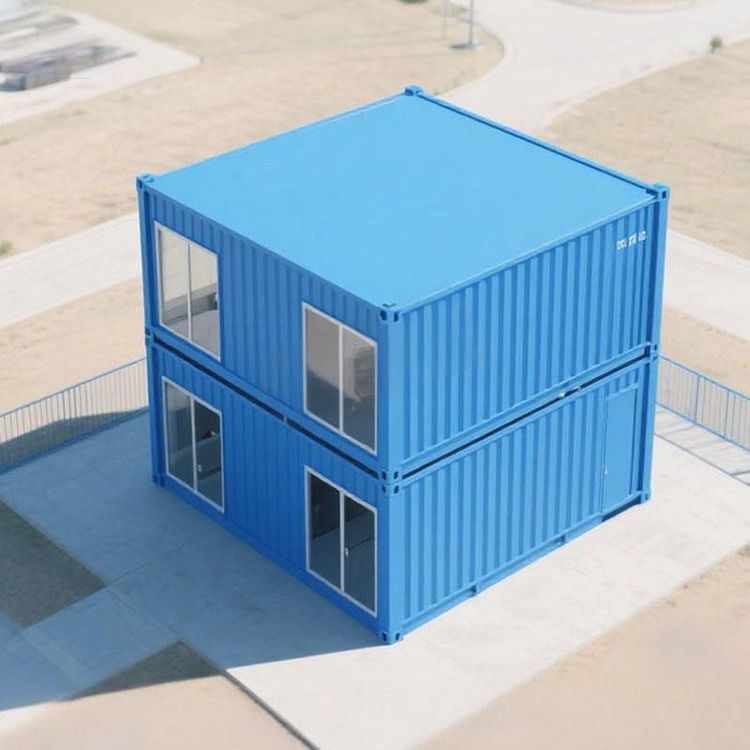
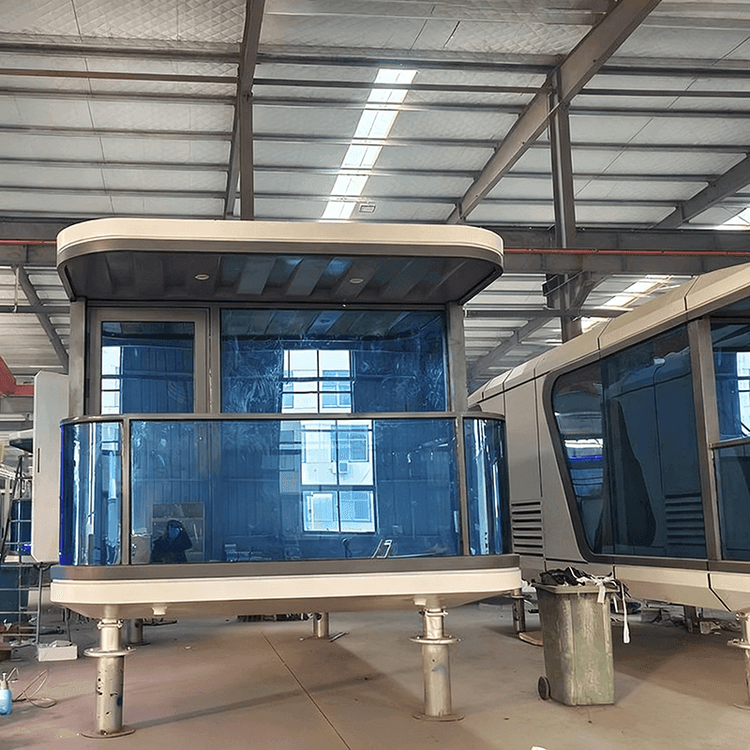
- Modular Design: The basic framework uses lightweight, high-strength materials for easy transportation and rapid assembly.
- Independent Sewage System: Internally equipped with waste collection devices, water circulation flushing units, and ventilation equipment, achieving sewage independence through self-contained waste storage tanks or biological treatment units.
- Data-Driven Deployment: Management departments analyze peak人流 (pedestrian flow) and distribution to proactively deploy mobile toilets to areas with sudden increases in demand, allowing for relocation or recovery for maintenance after tasks are completed.
Environmental Protection Functions of Ecological Public Toilets (Partially Integrated)
- Harmless Treatment: Utilize microorganisms to decompose excreta, achieving water conservation, mobility, and waterless flushing operations.
- Intelligent Temperature Control and Disinfection: Automatically activate sterilization and disinfection functions when operating temperatures exceed 60°C.
- Remote Monitoring: Real-time monitoring of equipment status and fault warnings are achieved through 5G and IoT technologies.
The aforementioned functions integrate data collection, communication, and command issuance through an IoT architecture, forming a 'sensing-processing-execution' closed loop, promoting data-driven management decisions, differentiated service responses, and precise resource control.