Beijing Mobile Environmental Protection Intelligent Toilet
Beijing Mobile Environmental Protection Intelligent Toilet, centered on technological innovation, modular design, and flexible application, provides an innovative solution for urban public health and sustainable development.

Technological Innovation: Efficient Water Conservation and Resource Recycling
The Beijing Mobile Environmental Protection Intelligent Toilet achieves extreme water conservation through micro-flush toilet technology, foam sealing technology, and vacuum collection technology. The micro-flush toilet technology uses only 0.75L of water per flush, combined with a water-sealed sewage discharge flap to simultaneously complete sewage discharge and odor isolation. The foam sealing technology replaces the water trap with 30ml of foam, lubricating the pipeline and sealing off odors, consuming less than 1% of the water used by traditional toilets. Vacuum collection technology utilizes vacuum negative pressure to suction waste, consuming extremely low amounts of water and producing no odors, reducing waste volume by over 80%. It has been widely applied in aircraft, high-speed trains, and civilian scenarios. Additionally, microbial fuel cell technology generates electricity by decomposing organic matter with bacterial communities, driving sensors and deodorization equipment to achieve partial self-sufficiency in energy consumption. Feces, after high-temperature fermentation, are reduced in volume by 90%, and the resulting product can be converted into garden substrate, forming a closed-loop cycle of 'excrement-energy-fertilizer'.
Design Features: Integration of Modularity and Intelligence
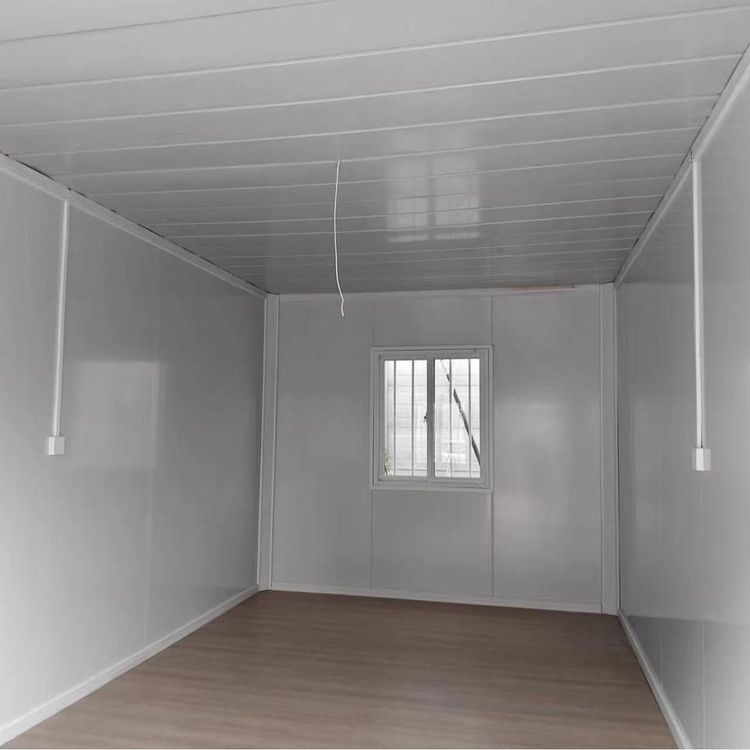
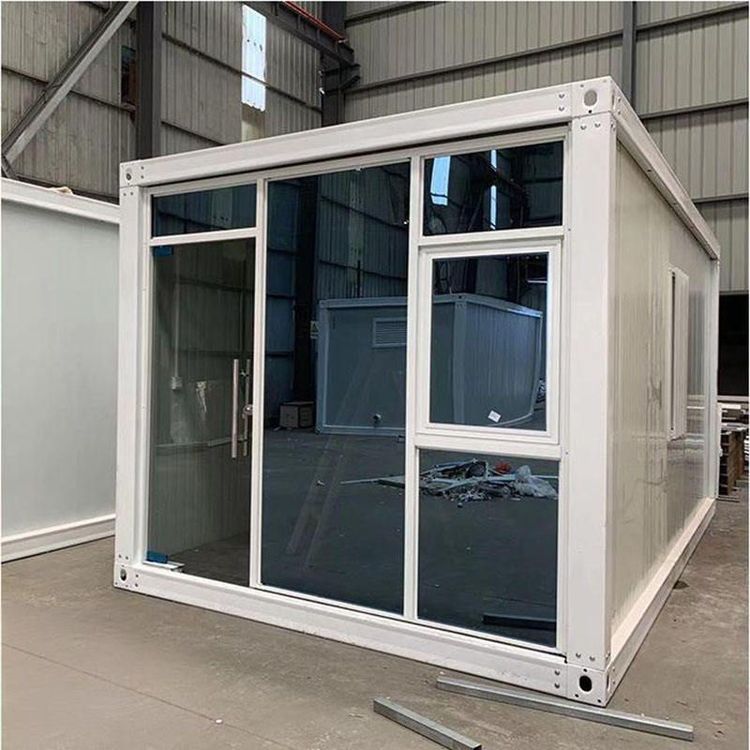
The toilet adopts a lightweight composite material box that supports rapid transportation and hoisting. Energy conversion and material recycling units are integrated into standard modules that can be flexibly combined to meet different scenario requirements. The intelligent management system integrates IoT sensors to monitor usage frequency, sewage storage capacity, and equipment status in real-time, supporting remote control and preventive maintenance. Some models are equipped with intelligent weighing systems that automatically prompt cleaning timing to avoid overflow risks. The energy self-sufficiency design is powered by solar panels or photovoltaic films on the top, combined with meteorological sensors to dynamically adjust energy consumption, ensuring independent operation in areas without external power grids and significantly reducing operational costs.
Urban Application Value: Flexible Deployment and Eco-Friendliness
The toilet can dynamically allocate resources and be temporarily deployed according to the needs of large-scale events, seasonal人流, or construction demands, addressing the issues of long construction periods and limited site selection for traditional fixed public toilets. Its outstanding environmental benefits reduce dependence on municipal water supply and sewage pipelines, with sealed storage or instant degradation devices preventing pollutant leakage and reducing the pressure on centralized sewage treatment. It has extremely strong spatial adaptability, requiring no complex civil engineering works, and can be quickly deployed in parks, transportation hubs, or the peripheries of construction sites, minimizing interference with the urban landscape. For example, during the 2008 Beijing Olympics, micro-flush toilets and vacuum collection devices were verified for their efficiency and stability, providing reliable support for high-density人流 (high-density pedestrian flow) scenarios.