Mobile Toilets in Beijing Hutongs
Mobile toilets in Beijing hutongs are flexible sanitation facilities introduced to address the unique spatial and usage needs of hutongs, featuring dynamic response, modular adaptability, and multi-functional applications, along with professional rental services.

Meeting Specific Scenario Demands for "On-Demand Response"
As traditional living areas in old Beijing, hutongs face challenges such as limited space and unpredictable, fluctuating demand for public toilets. The planning logic of traditional fixed public toilets often mismatches the actual usage patterns of hutong residents. For instance, fixed toilets are immobile and cannot cover areas with temporary high demand. The introduction of mobile toilets breaks this limitation. Their "dynamic sanitation node" characteristic allows flexible deployment and rapid removal based on actual needs. For example, during peak tourist seasons or large events, additional mobile toilets can be installed in crowded hutong areas and promptly removed after the event to avoid resource waste. This model shifts sanitation services from "fixed coverage" to "on-demand response," effectively enhancing the adaptability of public sanitation in hutongs.
Modular Design for Adapting to Hutongs' Unique Terrain
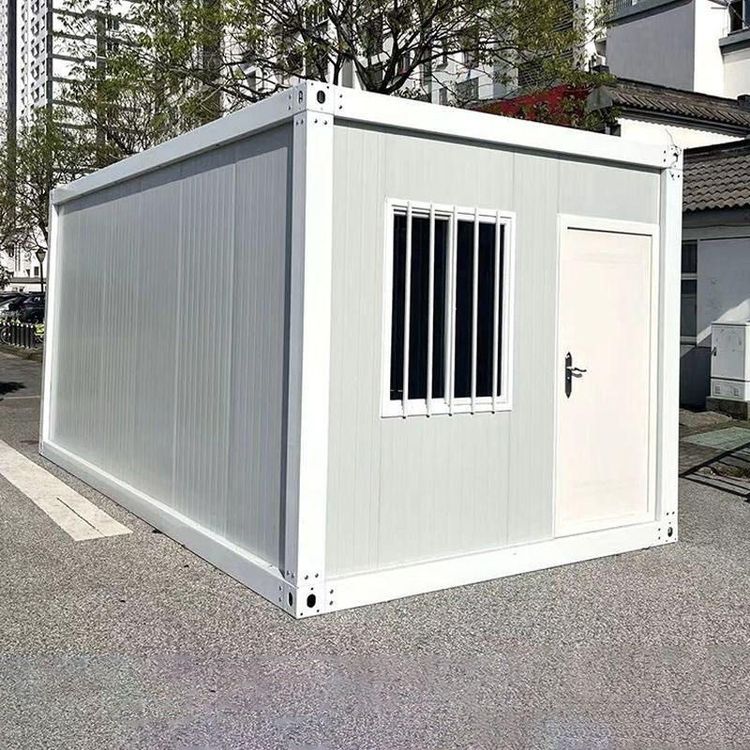
Mobile toilets typically employ a modular design, with individual units measuring approximately 2-4 cubic meters, suitable for transport by standard trucks and easy maneuvering through narrow hutong streets. Equipped with adjustable legs at the base, they can achieve horizontal stability on uneven ground (such as grass or gravel), ensuring safety during use. Some models feature a foldable structure, reducing their transport volume by 60% and further minimizing space occupation in hutongs. This design makes mobile toilets an irreplaceable sanitation solution in hutongs and other areas with unique terrain, particularly traditional neighborhoods with limited space and complex topography.
Multi-Functionality and Social Impact in Practical Use
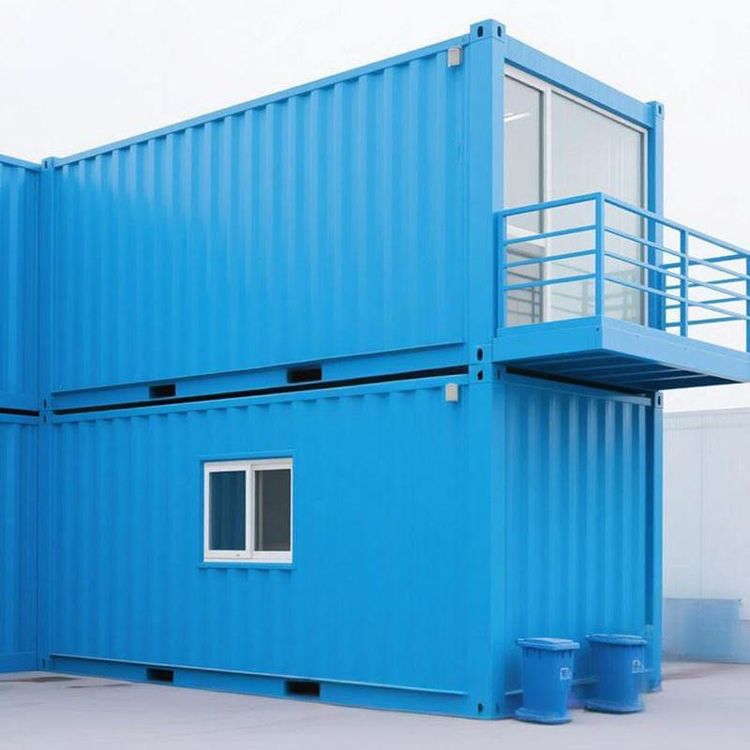
The usage scenarios of mobile toilets in hutongs extend beyond traditional sanitation functions. For example, a celebrity photo once turned a hutong public toilet into a网红景点 (internet-famous spot), causing long queues for photo-taking and disrupting residents' use. A fan club then rented a blue mobile toilet at their own expense, alleviating residents' needs while creating a temporary打卡点 (check-in spot). Additionally, some mobile toilets have been repurposed by residents as gathering spots for activities like chess and chatting, demonstrating their multi-functionality. This "non-typical" usage reflects the flexible utilization of public space by hutong communities and highlights the unique value of mobile toilets in adapting to residents' living needs.
Professional Rental Services Supporting Hutong Sanitation Management
Beijing Shibida Pipeline Cleaning Service Co., Ltd. offers rental services for mobile toilets in hutongs, supporting various lease models such as short-term, long-term, and annual contracts. Approved by the Administration for Industry and Commerce, Environmental Protection Bureau, and Municipal Sanitation Department, the company holds multiple qualifications in engineering construction, road transportation, and sanitation disposal. It is equipped with over 10 construction vehicles and more than 40 employees, along with comprehensive daily operational facilities. Their services provide hutong managers with flexible and professional sanitation solutions, reducing the costs of fixed toilet construction while ensuring standardized operation and maintenance of mobile toilets.