Beijing Ecological Mobile Toilet Construction
The construction of ecological mobile toilets in Beijing involves multiple aspects such as materials, technology, energy supply, and scenario-based configuration.

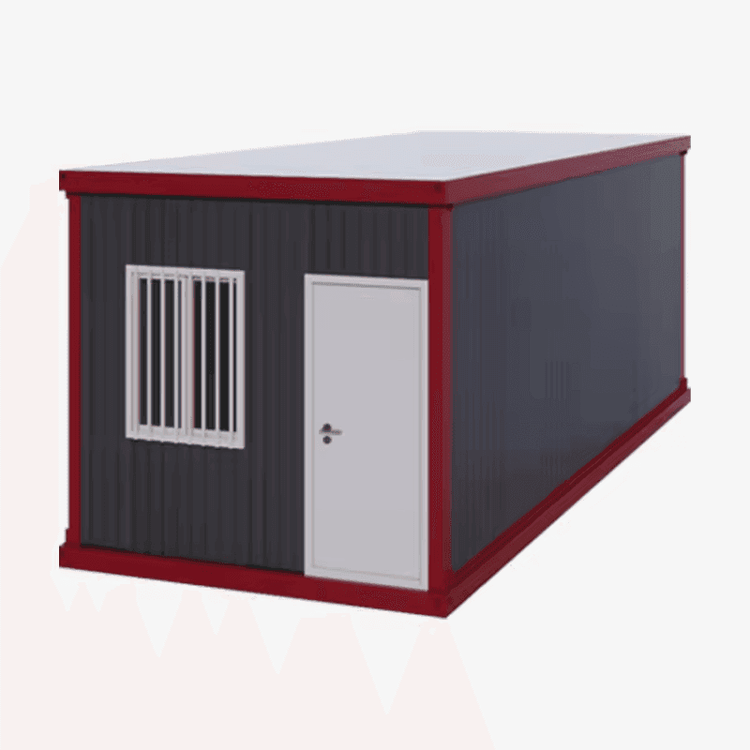
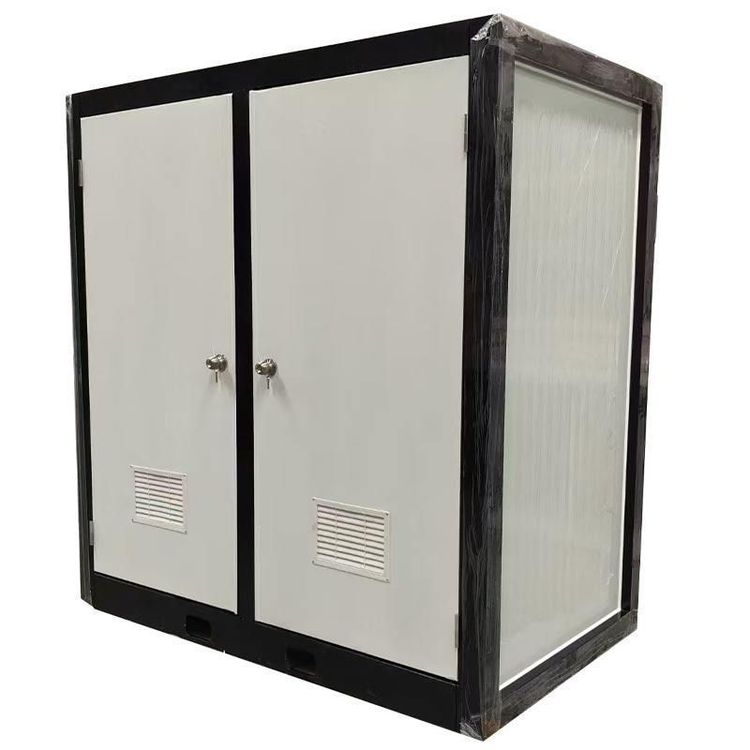
Materials: The outer shell and frame are made of lightweight composite materials with a modular design. These materials possess high structural strength and weather resistance, enabling them to adapt to the varying outdoor climate conditions. Compared to traditional concrete building materials, their production and recycling processes have a lower environmental impact. The modular design allows the entire structure to be prefabricated in a factory and quickly assembled on-site after transportation, significantly shortening the construction period while reducing long-term land occupation and excavation damage at the installation site.
Technological Implementation: It integrates multiple environmental engineering technologies. The water treatment and material recycling system does not rely on connection to the city's underground sewage network. It incorporates a small-scale water treatment unit internally. After physical filtration and biological treatment, the flushing water can be reused for toilet flushing or green irrigation, achieving closed-loop water resource utilization. Solid waste is treated through aerobic fermentation by adding specific microbial agents, resulting in a significant reduction in the final product volume, which can be used as a soil improvement substrate for surrounding greening.
Energy Supply: Photovoltaic power generation panels are usually installed on the top of the facilities to convert solar energy into electricity for lighting, ventilation fans, and the operation of small-scale treatment equipment. When there is insufficient sunlight, it can automatically switch to reserve power or connect to the municipal power grid as a supplement, reducing continuous reliance on the municipal power grid and enhancing the independent operation capability of the facilities in various environments.
Scenario-Based System Configuration Differences: In leisure places such as parks, biological treatment systems with low water consumption are often selected to ensure harmony with the surrounding natural environment. In commercial areas with high pedestrian traffic, the focus is on treatment efficiency and odor prevention design, employing vacuum technology combined with rapid disinfection devices. For temporary venues, detachable modular systems may be chosen for quick deployment and removal. Each configuration optimizes technical parameters for specific usage conditions to meet the needs of different scenarios.