
Beijing Convenient Portable Toilet
The Beijing Convenient Portable Toilet is a modern public sanitation facility that integrates modular design, efficient resource management, and intelligent technology, aiming to address the limitations of traditional fixed restrooms in terms of space, deployment, and maintenance.
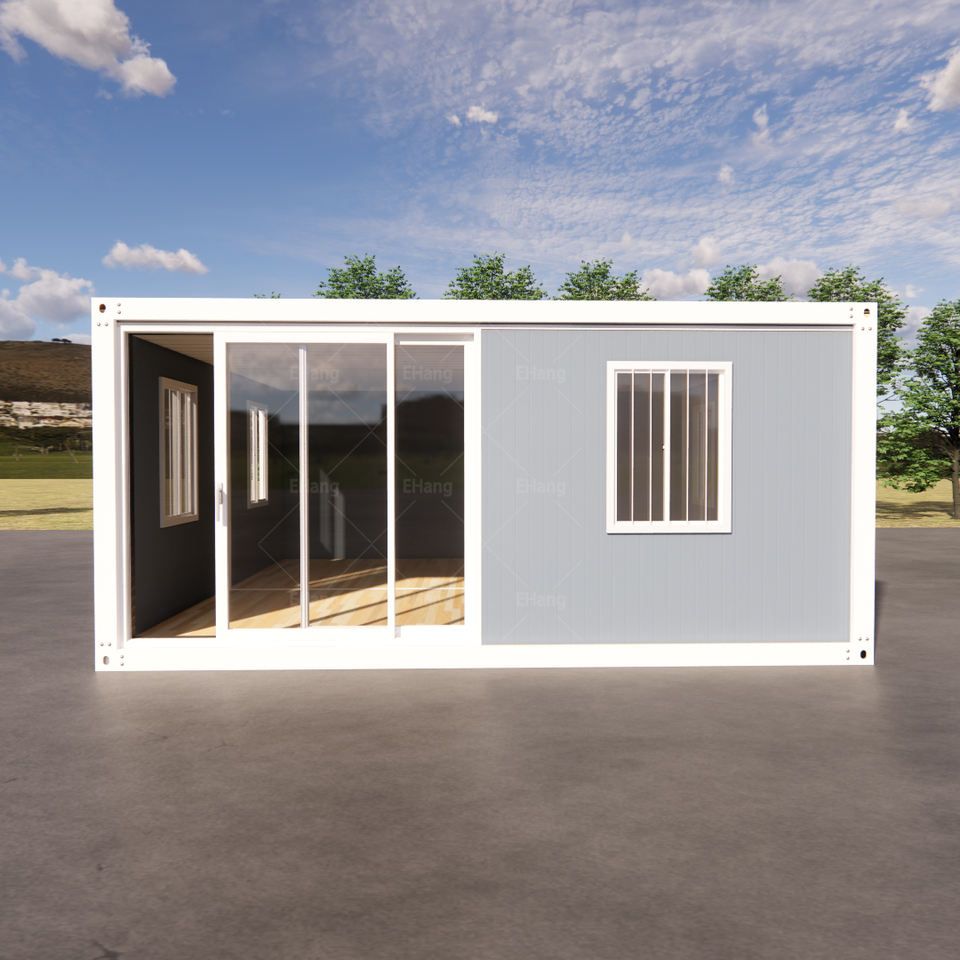
1. Structural and Functional Design
It adopts a split-body structure, with functional units such as compartments, sewage systems, and water supply modules prefabricated independently for quick assembly and maintenance. The wall materials are selected from high-density polyethylene or fiberglass, offering both corrosion resistance and lightweight properties, extending service life and reducing transportation costs. The sewage system compresses waste into storage tanks through vacuum suction devices, eliminating the need for underground pipeline modifications and making it suitable for temporary scenarios without municipal facilities.
2. Space Utilization and Scenario Adaptation
Through wall-mounted sinks, folding handrails, and sloped floor designs, the area of a single toilet compartment can be compressed to within 1.2 square meters while meeting the turning requirements of wheelchairs. The deployment density is flexibly adjustable; for example, large events can adopt a combination of '1 management unit + 10 toilet units,' which can be quickly dismantled and relocated after the event, significantly improving space utilization and scenario adaptability.
3. Energy and Water Resource Management
The power supply system utilizes solar photovoltaic panels in conjunction with batteries. A single standard panel generates approximately 0.5 kilowatt-hours of electricity per day, meeting the demands of lighting, exhaust fans, and infrared-sensing flush valves. Water resource management relies on a dual-cycle system: gray water from sinks is filtered and used for floor cleaning, while toilet water is treated with biodegradable agents to reduce odors and the frequency of water changes. Some models are also equipped with rainwater collection devices for efficient resource utilization.
4. Waste Treatment and Environmental Indicators
It offers two solutions: vacuum collection (requiring only 0.5 liters of water per suction, saving over 90% of water) and microbial degradation (decomposing organic matter through an aeration system, producing solid fertilizer and carbon dioxide). Both solutions must comply with the emission standards of the 'Urban Environmental Sanitation Facilities Planning Code,' balancing environmental protection and practicality.
5. Intelligent Management Module
It integrates an IoT sensor network, transmitting real-time data to a backend management system through infrared sensors and ammonia concentration detectors, automatically triggering maintenance instructions (such as cleaning and sewage disposal reminders). Some models are equipped with a closed-loop water circulation treatment system, combining microbial degradation with physical filtration technology to further enhance operational efficiency.
6. Price Range
Depending on functional configurations, prices range from 760 yuan (for simple construction site toilets) to 27,000 yuan (for large-scale ecological restrooms), with an average price of around 12,500 yuan for intelligent models, meeting the needs of various scenarios.



