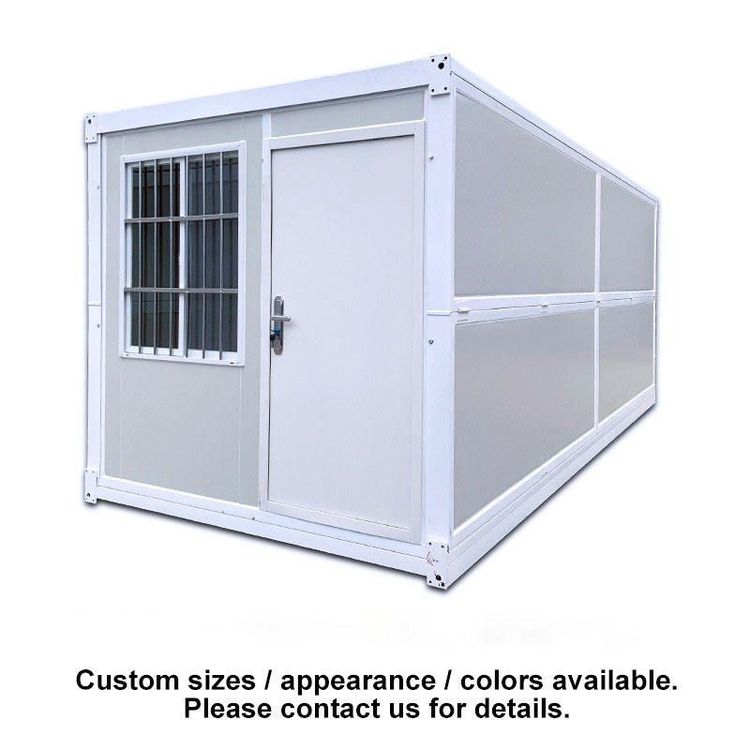
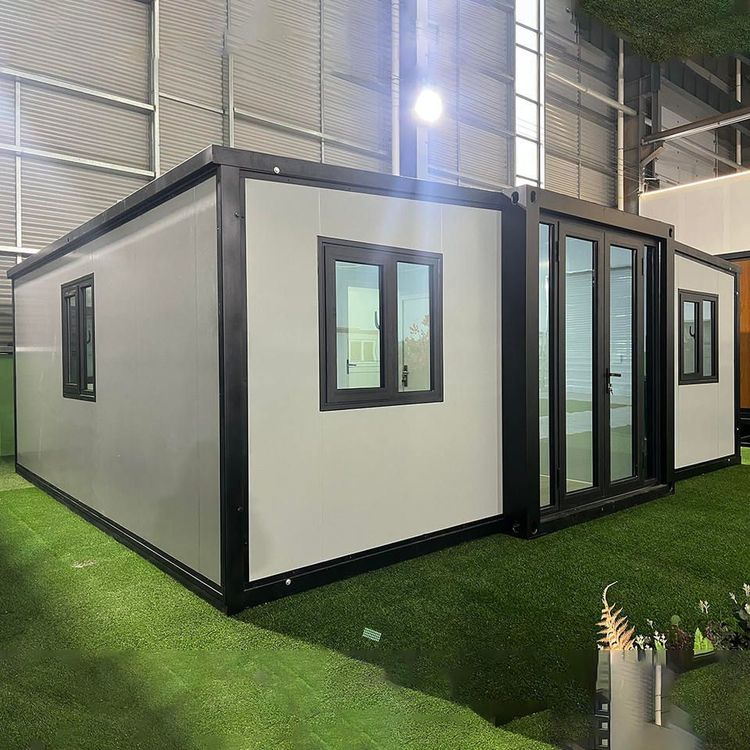
How About Container Houses in Beijing
Container houses in Beijing are an innovative and eco-friendly choice for living and functional spaces, offering advantages such as flexible design, efficient construction, and green, low-carbon features. They are suitable for various scenarios, but attention should be paid to materials, airtightness, and policy requirements.

I. Space Design and Construction Features
Container houses are based on standard shipping containers as modular units. They achieve space expansion through vertical/horizontal stacking, splicing, or cutting. With professional interior planning, they can break through the limitations of the container body and create a comfortable and modern environment. Their construction process is highly prefabricated, with the main structure, insulation layer, doors and windows, and basic decoration all completed in the factory. Only assembly and fixation are required on-site, shortening the construction period by more than 50% compared to traditional buildings and reducing dust and noise pollution. The reuse of retired containers worldwide reduces the energy consumption of steel recycling, aligning with the concept of a circular economy.
II. Green Performance and Resource Utilization
At the material level, a high proportion of recycled steel is used, reducing the pressure on new material mining. During construction, high-performance insulation materials (such as rock wool and polyurethane) are filled, and double-glazed windows are adopted to improve thermal insulation performance and reduce air conditioning energy consumption by 20%-30%. The roof can be designed as a green vegetation layer, which has the functions of rainwater retention and microclimate regulation. Some models integrate solar photovoltaic panels and rainwater collection systems to achieve energy self-sufficiency and water resource recycling.
III. Application Scenarios and Cost Advantages
They are suitable for construction sites (dormitories/offices), tourist attractions (homestays/catering), temporary events (ticket booths/storage rooms), and other scenarios. Their modular design supports rapid disassembly and transportation, with low relocation costs. The construction cost is 30%-50% lower than that of traditional buildings, and they can be reused for more than 10 years, offering significant long-term cost-effectiveness. For short-term needs (1-6 months), it is recommended to rent (daily rent of 20-50 yuan), while for long-term needs (more than 1 year), purchasing is more cost-effective (basic models cost 15,000-30,000 yuan per unit).
IV. Purchase and Usage Considerations
- Material Standards: The steel thickness should be ≥1.5mm, and the density of the wall sandwich panels should be no less than 12kg/m³ to ensure structural strength and thermal insulation.
- Airtightness Inspection: Focus on checking whether the door and window sealing strips are aged to avoid air leakage and water seepage.
- Internal Configuration: The electrical circuit should use waterproof connectors, and the floor should be made of PVC or rubber materials for moisture resistance.
- Policy Compliance: Some areas in Beijing have restrictions on the size of container houses (such as a height limit of ≤4.5 meters) and their uses (prohibited as permanent residences). It is necessary to confirm with the local planning department in advance.
V. Supply Channels and Type Selection
Local manufacturers (in Tongzhou and Shunyi) support customized design, suitable for special functional requirements. Rental companies offer flexible rental periods and maintenance services. Online platforms allow for quick price comparisons, but on-site quality inspections are required. According to function, basic accommodation types are suitable for construction sites, office types are equipped with partitions and air conditioners, and commercial activity types can be refitted into shops. According to material, steel-framed types are more sturdy, and insulation cotton-filled types are more comfortable in winter.