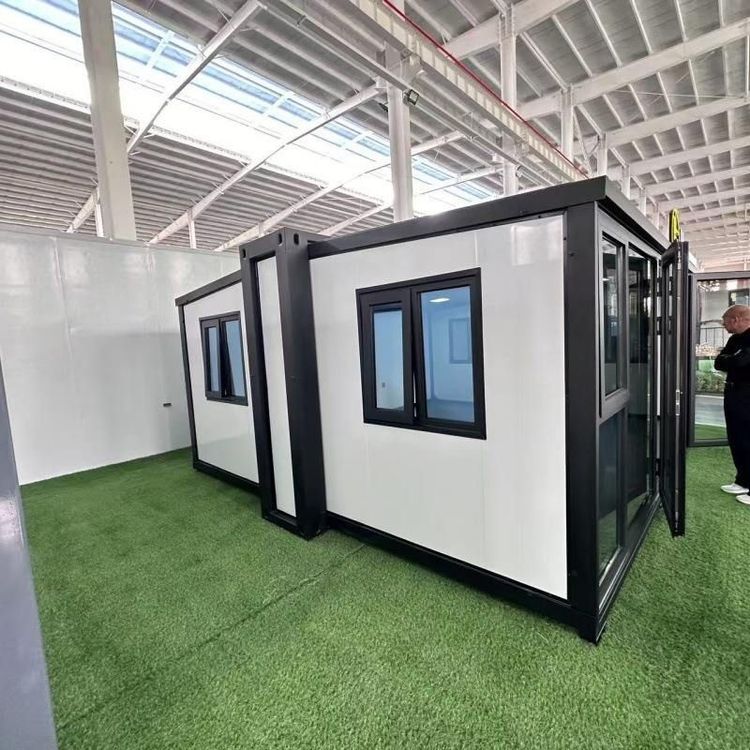
Beijing Australia-Imported Portable Toilets
Currently, there is no direct public reporting on specific product information or related cases regarding 'Beijing Australia-imported portable toilets'. The following provides a popular science explanation from three aspects: the import process of portable toilets, common types, and the characteristics of the Beijing market.

Import Process and Compliance of Portable Toilets
To import portable toilets from Australia to Beijing, it is necessary to comply with China's customs import regulations. First, confirm whether the product meets China's mandatory standards (such as GB/T 18092-2008 'Waterless Flush Toilets'). For electrical equipment, 3C certification is also required. The import process typically includes signing a trade contract, applying for an automatic import license (if necessary), entrusting a customs broker to complete customs clearance procedures, paying customs duties and value-added tax (the customs duty rate for portable toilets is generally 6%-10%, and the value-added tax is 13%), and finally transporting the goods to the designated location in Beijing via logistics. It should be noted that large portable toilets may involve special equipment transportation permits, which need to be applied for in advance from the transportation department.
Common Types of Australia-Imported Portable Toilets
Common types of portable toilets in the Australian market include: single-unit eco-friendly toilets (using biodegradation technology, no need for external water and electricity connections), trailer-mounted portable toilets (can be towed by vehicles, suitable for temporary events), and container-type toilets (modular design, can be quickly assembled into multi-stall facilities). These products usually emphasize eco-friendly performance, such as using biodegradable materials, rainwater collection systems, or solar power supply. However, after being imported to Beijing, they need to be adapted according to local climate conditions (such as low winter temperatures), for example, by adding insulation layers or anti-freeze devices.
Demand Characteristics of the Beijing Market for Imported Portable Toilets
As an international metropolis, Beijing's demand for portable toilets is concentrated in large-scale events (such as concerts and sports events), municipal engineering projects (such as subway construction and road maintenance), and tourist attractions. Imported products need to meet requirements such as high-traffic usage (number of stalls ≥ 10), rapid deployment (assembly time ≤ 2 hours), and low maintenance costs (such as automatic cleaning systems). In addition, Beijing has cold winters, so imported portable toilets need to be equipped with heating devices or antifreeze to prevent water tanks and pipes from freezing and cracking; in summer, ventilation design needs to be strengthened to prevent odor accumulation.
For further information on specific products or suppliers, it is recommended to inquire through the official website of the China International Import Expo, the Beijing Representative Office of the Australian Trade and Investment Commission (Austrade), or contact a professional import agency company for assistance in procurement.