Beichen Mobile Toilet Processing
Beichen mobile toilet processing involves three core aspects: production chain, technical specifications, and material selection, requiring systematic production that combines process standards with environmental requirements.
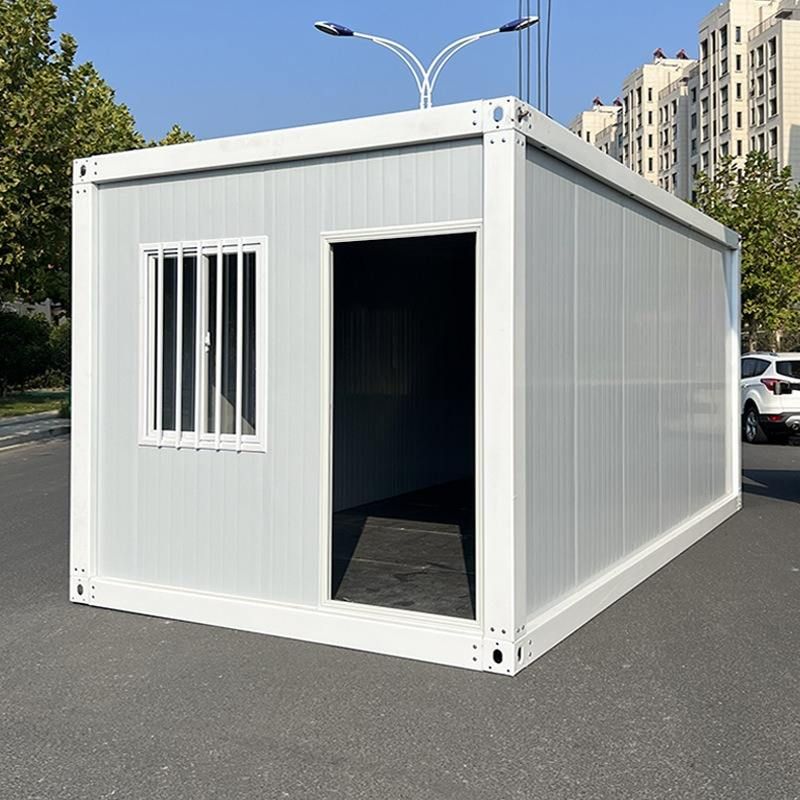
Production Chain and R&D Capabilities
High-quality factories typically possess a complete production chain, covering the entire process from mold manufacturing, panel forming, and assembly testing. For example, some factories have obtained ISO quality management system certification and environmental management system certification, along with multiple utility model patents, ensuring consistency and durability from product design to delivery. In the production line, mold manufacturing requires high-precision CNC equipment, panel forming relies on automated hydraulic presses for standardized production, and the assembly testing phase involves simulating actual usage scenarios to rigorously inspect indicators such as sealing and load-bearing capacity. Additionally, some factories have established laboratories to optimize product performance in terms of wind pressure resistance, weather resistance, and sealing by simulating extreme climate conditions such as high temperature, low temperature, and high humidity, ensuring stability for long-term outdoor use.
Technical Specifications and Process Standards
The core technologies of mobile toilets focus on the sewage system and anti-corrosion structure. Sewage pipes must be made of high-density polyethylene (HDPE) material, which is highly corrosion-resistant and has a long lifespan. The joints should be seamlessly connected through hot-melt welding to avoid leakage risks. The toilet base requires integral molding technology to ensure structural strength and waterproof performance. Technical parameters need to be designed differently for various usage scenarios: temporary construction site toilets typically use fiberglass or color-coated steel panels with added flame-retardant layers to meet fire safety requirements; toilets placed outdoors for long periods should be made of products with an outer layer of 304 stainless steel or galvanized steel to withstand environmental erosion such as ultraviolet rays and acid rain.
Material Selection and Environmental Philosophy
Material selection should balance functionality and environmental friendliness. Fiberglass or color-coated steel panels for temporary toilets must comply with flame-retardant standards (e.g., GB8624-2012), while 304 stainless steel for long-term use must meet food-grade corrosion resistance standards (e.g., ASTM A240). Some factories incorporate green manufacturing concepts into their materials, such as using recycled plastics for internal components or reducing heavy metal usage through surface treatment technologies. Furthermore, the application of recyclable materials (e.g., a recycling rate of over 90% for galvanized steel) further reduces the environmental impact throughout the product's lifecycle.
Through a systematic production chain, strict technical standards, and the application of environmentally friendly materials, Beichen mobile toilet processing achieves a balance between functionality and sustainability, meeting usage demands in various scenarios.