
How to Relocate a Toilet in the Bathroom
Relocating a toilet in the bathroom requires selecting an appropriate method based on the drainage system, relocation distance, and construction conditions. Common solutions are as follows:
1. Short-Distance Relocation: Toilet Offset Connector
If the relocation distance is within 20 centimeters, a one-piece toilet offset connector can be used, with a 100mm diameter flat pipe installed in the middle, adjustable in length to fit different spaces. If the relocation distance exceeds 50 centimeters, a slope of at least half a centimeter per 10 centimeters of pipe should be reserved, and a straight-flush toilet should be used to ensure smooth drainage. This method is suitable for same-floor or inter-floor drainage systems with minor relocation needs. It is simple to construct and cost-effective, but long-distance relocation may lead to blockages due to insufficient slope.
2. Inter-Floor Drainage System Modification
If the bathroom has an inter-floor drainage system (drainage pipes located in the ceiling of the floor below), consult with the neighbor below to drill holes in the floor slab and reroute the toilet pipes directly to the main vertical pipe. This method requires careful operation:
- Written consent from the neighbor below is necessary to avoid disputes;
- Drilling may damage the floor slab structure, requiring professional safety assessment;
- 99% of neighbors may refuse, so prepare a communication plan in advance.
3. Same-Floor Drainage System Modification
If the bathroom has a sunken floor (same-floor drainage system), the toilet position can be adjusted directly within the sunken area without damaging the floor slab. During construction:
- Reroute the drainage pipes within the sunken area to ensure a proper slope;
- Conduct a water closure test before backfilling the sunken area to prevent leaks;
- Suitable for newly renovated bathrooms or those with unfilled sunken areas, making maintenance more convenient after modification.
4. Wall-Mounted Toilet
By embedding pipes within the wall, the toilet drain can be directly connected to the main vertical pipe, suitable for short-distance modifications. Its advantages include:
- Space-saving: The cistern is hidden within the wall, ideal for small apartments;
- Aesthetic and easy to clean: The toilet is suspended, leaving no dead corners for hygiene;
- Additional storage: The space above the cistern can be utilized for storage with built-in niches.
Note: Plan the pipe positions within the wall in advance, as this method requires high construction precision.
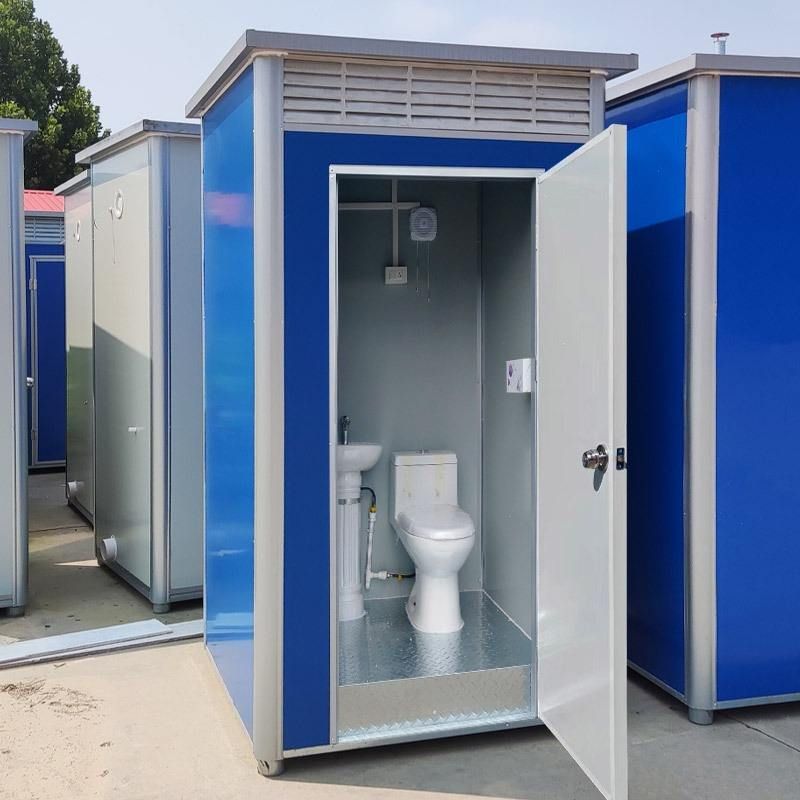
5. Selection of Overall Mobile Toilet Types
If relocating the entire toilet structure (such as temporary buildings or outdoor toilets), choose based on needs:
- Structural types: Single-unit (single room) or composite (multi-room combination);
- Relocation methods: Lifting type (requiring hoisting equipment) or powered towing type (self-propelled);
- Sewage disposal methods: Flush type (requiring connection to water supply and drainage) or non-flush suction type (suitable for water-scarce environments).
Summary: Relocating a toilet in the bathroom requires a comprehensive assessment of the drainage system, relocation distance, and construction conditions. For short distances, prioritize offset connectors or wall-mounted toilets; for same-floor drainage, modify the sunken area; for inter-floor drainage, proceed with caution and consultation; for overall relocation, select the type based on the purpose. It is advisable to consult professionals before construction to ensure the safety and feasibility of the plan.



